In the ever-evolving landscape of consumer goods, the vacuum flask has emerged as a quintessential item for modern lifestyles. As environmental concerns rise, more consumers are seeking sustainable and reusable solutions. According to a recent market report, the global vacuum flask market is projected to reach USD 3.4 billion by 2026, reflecting a compound annual growth rate of 5.4%. This trend indicates a robust interest in innovative designs and eco-friendly materials.
Today's buyers prioritize functionality alongside style. Features such as temperature retention, durability, and portability are essential. Yet, amid these advancements, manufacturers face challenges. The influx of low-quality imitation products threatens brand trust and market integrity. It is crucial for buyers to discern between high-quality and subpar options in the market.
Market data suggest that consumers favor flasks made from stainless steel, due to their recyclability and long-term usability. However, many still overlook crucial details like insulation quality and ease of cleaning. As buyers become more informed, they can enhance their purchasing decisions significantly, fostering a more sustainable market for vacuum flasks.
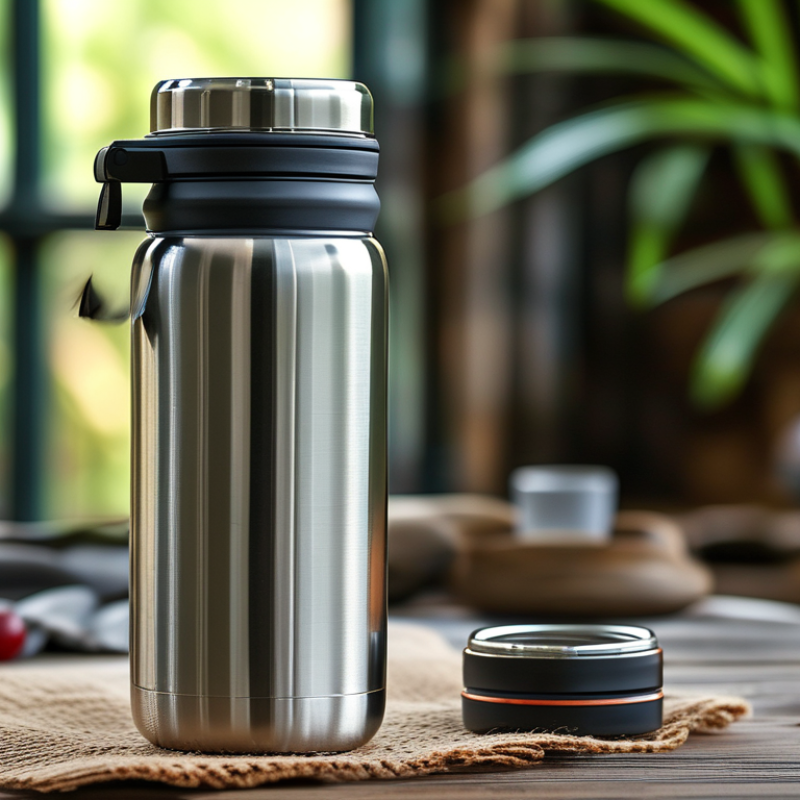
Emerging Materials and Technologies in Vacuum Flask Manufacturing
With the growing focus on sustainability, vacuum flask manufacturers are exploring
innovative materials. Plant-based plastics,
for instance, offer an eco-friendly alternative while maintaining performance. These new materials often reduce carbon
footprints significantly. Meanwhile, advancements in insulation technology
ensure that beverages remain at optimal temperatures for extended periods.
When choosing a vacuum flask, consider the material. Stainless steel is durable,
but plant-based options are gaining popularity. They appeal to conscious consumers
who prioritize eco-friendliness over mere aesthetics. Keep an eye on emerging
technologies, such as double-walled vacuum insulation, which enhances
thermal efficiency. This approach not only improves performance but also addresses environmental concerns.
Stay informed about the latest trends. Follow industry news for updates on materials and innovations. Such insights
can guide your purchasing decisions effectively. Ultimately, the choice of a vacuum flask reflects personal values
and commitment to sustainability. Remember, understanding these aspects can elevate your buying experience and impact
the environment positively.
Sustainable Practices Shaping the Future of Vacuum Flask Production
As we move towards 2026, sustainable practices are reshaping how vacuum flasks are produced. The global vacuum flask market is projected to reach $4.5 billion by 2026, driven by the increasing demand for eco-friendly products. Reports indicate that 75% of consumers are now more likely to purchase products made from sustainable materials.
Manufacturers are seeking innovative ways to minimize their carbon footprints. One trend includes using recycled stainless steel. Studies reveal that recycling metal reduces energy consumption by up to 75%. Additionally, companies are adopting biodegradable materials for insulation and packaging. This not only appeals to environmentally-conscious buyers but also streamlines waste management processes.
Tips: When selecting vacuum flasks, look for certifications that indicate sustainability practices. Check for brands that prioritize ethical sourcing of materials. Supporting companies that disclose their manufacturing processes can lead to more responsible consumption.
Despite these positive trends, challenges remain. Not all sustainable products live up to performance expectations. Some users report issues with thermal retention in eco-friendly flasks. Careful research is essential before making a purchase to ensure satisfaction and effectiveness. As the market grows, consumer education will play a vital role in balancing sustainability and functionality.
2026 Top Vacuum Flask Trends for Global Buyers Insights
| Trend |
Description |
Impact on Sustainability |
Market Demand |
| Eco-friendly Materials |
Incorporation of recycled and biodegradable materials |
Reduces waste and promotes circular economy |
High |
| Innovative Insulation Technology |
Advanced vacuum insulation for better temperature retention |
Lowers energy consumption associated with heating/cooling |
Increasing |
| Customization Options |
Personalized designs and functionalities based on user preferences |
Encourages longer product life and user attachment |
Moderate |
| Smart Technology Integration |
Flasks with temperature control and tracking via apps |
Potential reduction in energy waste |
Growing |
| Minimalistic Design |
Sleek, functional designs with less material usage |
Reduces resource overconsumption |
Steady |
Consumer Preferences and Trends in Vacuum Flask Design
Consumer preferences in vacuum flask design are evolving rapidly. Today's buyers seek flasks that not only perform well but also reflect their lifestyles. Factors such as sustainability, ergonomic design, and aesthetic appeal are key considerations. More consumers prefer eco-friendly materials. They appreciate reusable options that reduce waste and align with their values.
One notable trend is the rise of multifunctional designs. Flasks that can serve multiple purposes, such as incorporating infusers for fruits or herbs, are gaining popularity. Color options are also changing. Bright, vibrant colors attract younger buyers, while minimalist designs appeal to professionals. However, not all designs meet user expectations. Some flasks do not maintain temperature for extended periods, causing disappointment. Another common issue is leakage, which can undermine trust in the product's reliability.
Customization is another major expectation. Many consumers want unique designs or personalized engravings. Yet, not all brands offer these options at an affordable price. It’s vital for manufacturers to balance personalization with functionality. While trends shift, the essence of utility remains crucial. Striking this balance leads to a more satisfying consumer experience. Users express a desire for improvement in areas like insulation efficiency and durability. These insights are vital for companies aiming to refine their offerings.
2026 Top Vacuum Flask Trends for Global Buyers Insights
Innovative Features Driving Market Growth in Vacuum Flasks
The vacuum flask market is undergoing significant transformation, driven by innovative features that enhance user experience. With rising consumer demand for sustainability, many manufacturers now prioritize eco-friendly materials. According to a recent market report, 78% of consumers prefer products that are recyclable. This shift presents both opportunities and challenges for brands. They must not only adopt greener practices but also communicate these efforts effectively.
Moreover, advancements in thermal insulation technology are shaping market trends. Some new flasks can maintain temperature for over 24 hours. This is appealing for outdoor enthusiasts and commuters alike. An industry analysis found that 62% of consumers are drawn to flasks that show precise temperature control. However, brands need to address potential quirks, such as ease of cleaning and weight. Consumers often express frustration with complicated designs that compromise usability.
Another trend is the integration of smart technology into vacuum flasks. Features such as built-in hydration reminders and app connectivity are emerging. As per recent surveys, 55% of tech-savvy consumers are interested in these functionalities. Yet, it’s essential for developers to ensure that these features do not complicate the design, leading to consumer hesitation and complexities in usability. Balancing innovation with practicality remains a key challenge in the evolving market landscape.
Key Global Markets and Their Impact on Vacuum Flask Trends
The global market for vacuum flasks is evolving rapidly. Key regions such as North America, Europe, and Asia are driving significant trends. In North America, sustainability is a major focus. Consumers increasingly seek eco-friendly materials. This shift challenges manufacturers to innovate while prioritizing environmental impact.
In Europe, design and functionality are paramount. Buyers look for sleek, efficient flasks. There’s a noticeable trend toward customizable options. This desire for personalization reflects broader consumer preferences. Brands must navigate shifting tastes and lifestyles to stay relevant.
Meanwhile, Asian markets are experiencing a surge in outdoor activities. As urban lifestyles evolve, so does the demand for portable solutions. The rise of fitness and travel influences buying habits. However, challenges such as price sensitivity persist. Adapting strategies to local markets is crucial for success.
Conclusion
The article titled "2026 Top Vacuum Flask Trends for Global Buyers Insights" explores the evolving landscape of vacuum flask manufacturing. It discusses the emergence of new materials and advanced technologies that enhance the durability and efficiency of these products. Sustainable practices are also highlighted as a driving force shaping future production, with an emphasis on eco-friendly materials and energy-efficient processes.
Moreover, the article examines consumer preferences and design trends that reflect a growing demand for personalization and functionality in vacuum flasks. Innovative features, such as improved insulation, smart technology integration, and ergonomic designs, are identified as key factors propelling market growth. Finally, the analysis of key global markets reveals how regional demands and cultural preferences influence vacuum flask trends, providing valuable insights for global buyers looking to stay ahead in this competitive market.

 Yongkang Yifu