In a world where staying hydrated is crucial, the choice of an Insulated Flask can make a significant difference. With advancements in technology and design, the 2026 market presents a diverse array of options. These flasks keep liquids hot or cold for hours. This feature is essential for outdoor enthusiasts and daily commuters alike.
When selecting an Insulated Flask, consider the material and insulation type. Stainless steel is durable and resistant to rust. Many users prefer double-wall vacuum insulation for its superior performance. Yet, not all flasks are created equal. Some may not fit in standard cup holders, while others can be cumbersome to carry.
Reflecting on personal experiences can provide valuable insights. Perhaps you’ve encountered a flask that leaked or one that failed to keep drinks at the desired temperature. Engaging with customer reviews can highlight both strengths and weaknesses. Ultimately, making an informed choice will enhance your hydration experience in 2026.
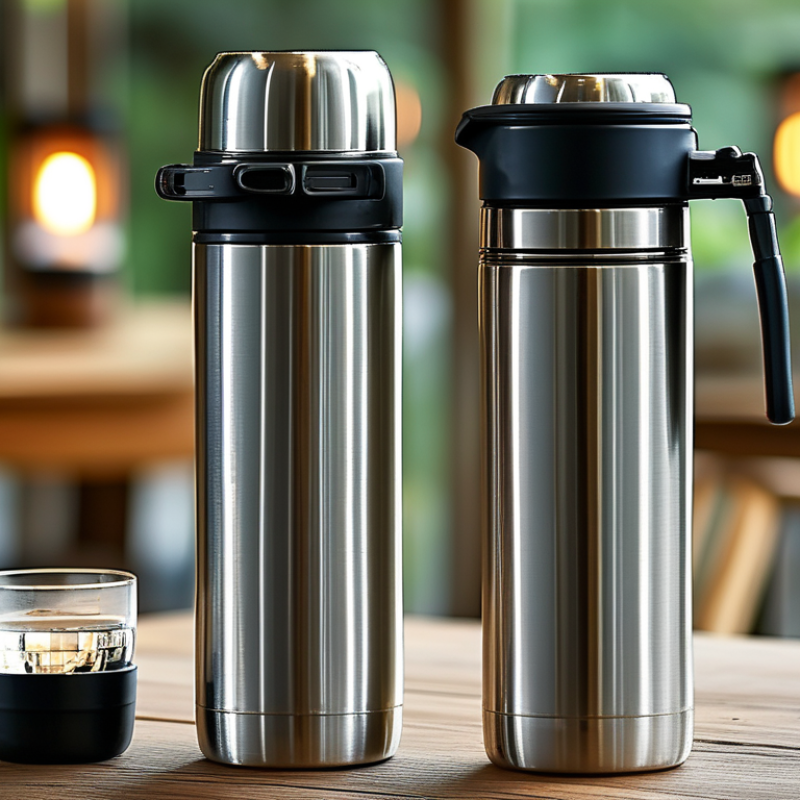
When choosing an insulated flask, materials matter. Stainless steel is a popular choice. It resists rust and is durable. This makes it ideal for outdoor adventures. However, stainless steel can be heavy. Some users find this inconvenient.
Plastic is lightweight and can keep drinks at desired temperatures. Some types of plastic are BPA-free, which brings peace of mind. But, plastic may not insulate as well as metal. Over time, it can stain or absorb odors. This is something to consider if you enjoy flavorful beverages.
Glass-lined flasks offer excellent insulation. They are non-toxic and do not alter the taste of drinks. However, glass can break easily. This makes it less suitable for rough conditions. Users may need to be cautious when handling them. In conclusion, weigh the pros and cons of each material. Each option has strengths and weaknesses. Choosing the right one depends on your lifestyle and needs.
| Material | Insulation Type | Capacity (Liters) | Weight (grams) | Pros | Cons |
|---|---|---|---|---|---|
| Stainless Steel | Vacuum Insulation | 0.5 | 300 | Durable, non-toxic, excellent thermal retention. | Can be heavy, may dent on impact. |
| Glass | Vacuum Insulation | 0.7 | 350 | No metallic taste, good insulation. | Fragile, heavier than plastic. |
| Plastic | Double Wall Insulation | 0.4 | 200 | Lightweight, durable, BPA-free options available. | Less thermal retention than metal/glass. |
| Titanium | Vacuum Insulation | 0.5 | 250 | Lightweight, corrosion-resistant, strong. | More expensive, may not be as widely available. |
| Aluminum | Insulated | 0.6 | 280 | Lightweight, affordable, good variety. | May retain odors, not the best thermal insulator. |
: Common materials include stainless steel, plastic, and glass. Each has unique pros and cons.
Stainless steel is durable, rust-resistant, and ideal for outdoor use. However, it can be heavy.
Plastic is lightweight and can maintain temperatures. But, it may not insulate as well as metal.
Glass provides great insulation but can break easily. Handling requires caution to avoid accidents.
Larger flasks retain temperature better due to greater thermal mass. Smaller ones lose heat more quickly.
A larger flask is beneficial for long hikes or outdoor events, as it retains heat or cold longer.
Buyers should seek eco-friendly materials like stainless steel or recycled components to reduce environmental impact.
Investing in a reusable flask can reduce the need for single-use bottles, leading to long-term savings.
It's essential to check if the materials are BPA-free and safe, especially when used frequently.
Consider your lifestyle and hydration needs. Balance size with portability for practical daily use.
In the quest for the best insulated flask options in 2026, buyers must consider various factors that influence performance and usability. The materials used in insulated flasks play a crucial role, each offering distinct pros and cons. A comparative analysis of insulation technologies, particularly vacuum versus foam, reveals significant differences in temperature retention capabilities. Additionally, the capacity of the flask is vital; larger flasks can store more liquid but may also impact heat retention over time.
Key features such as lids, seals, and portability are essential in selecting an insulated flask that meets personal needs. As sustainability becomes increasingly important, eco-friendly options are gaining popularity among consumers. Buyers should prioritize insulated flasks that not only perform well but are also environmentally responsible, ensuring that their choices reflect a commitment to sustainability in 2026.

 Yongkang Yifu