Choosing the right Sublimation Tumblers for wholesale is not simply a price comparison. It is a practical test of consistency, durability, and customer appeal. A tumbler may look excellent in one sample, then show uneven color on the next batch. That small failure can become an expensive return problem.
Jimmy Lamb, a recognized sublimation industry educator, says, “The blank is the foundation of the finished product.” His point matters to every wholesale buyer. Reliable tumblers should have an even polymer coating, secure lids, smooth seams, and strong insulation. They should also accept vivid transfers without cloudy patches or faded edges. Test them first.
This guide reviews 10 Best Sublimation Tumblers for Wholesale Buyers through a business-focused lens. It considers material quality, sublimation performance, capacity, packaging, minimum order quantities, and supplier communication. Stainless steel construction is important, but it does not tell the whole story. A tumbler can be attractive and still disappoint during production.
Look closely at the details. Does the lid seal after repeated use? Does the coating survive careful washing? Are individual units protected from dents during shipping? These questions reveal more than a glossy product photograph.
Wholesale decisions are rarely perfect. A lower unit cost may reduce margins if defects increase labor. A premium tumbler may sell slowly if its shape feels ordinary. Buyers should compare samples, record pressing temperatures, and review customer feedback before placing a large order. The best choice is not always the cheapest. It is the option that performs reliably, photographs well, and gives customers a reason to order again.
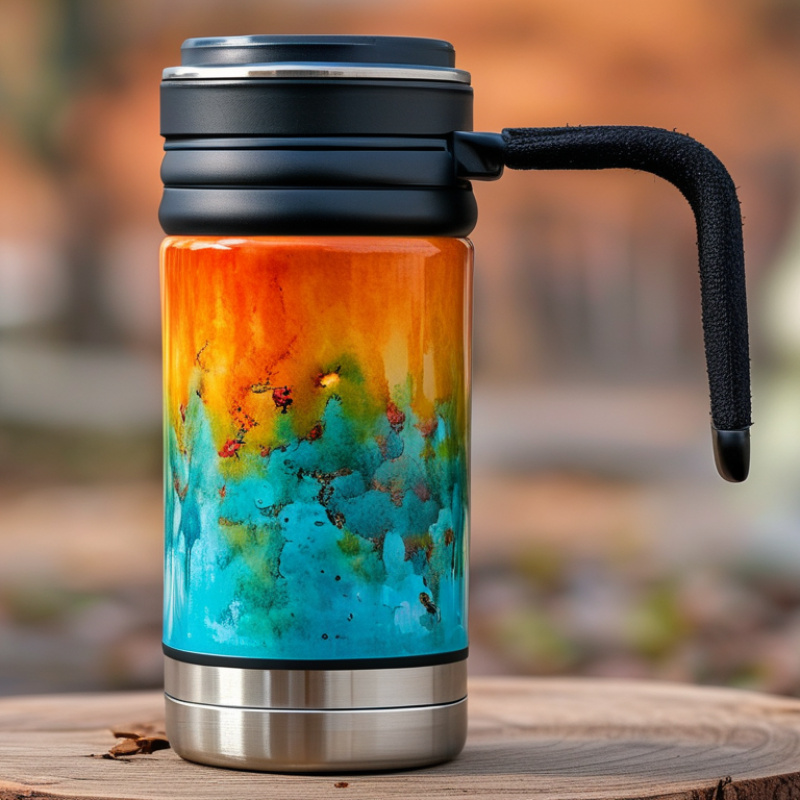
Sublimation tumblers are stainless steel drink containers with a special polymer coating. Heat transfers printed dye into that coating, creating a smooth, colorful design. The image does not simply sit on the surface. It becomes part of the finish. Most models include double-wall insulation, a lid, and a reusable straw. However, ordinary stainless steel cannot support this process. A compatible coating is essential.
A typical workflow starts with a dry, clean tumbler. The printed transfer is wrapped tightly around it and secured with heat-resistant tape. A shrink sleeve can help prevent blurred edges. The tumbler then enters a suitable heat press or convection oven, following the supplier’s time and temperature instructions. Ventilation, heat gloves, and careful handling matter. Small changes in pressure or alignment can create pale patches, ghosting, or uneven seams.
Wholesale buyers should inspect coating consistency, straightness, lid fit, insulation, and packaging before placing a large order. Testing one sample is useful, but one sample may not reveal batch variation. I would test several pieces from different cartons. Check the bottom edge closely. That area often exposes weak coating or poor wrapping. Color results can also differ between printers and transfer papers. This is where practical judgment matters, and my first estimate is not always right. A few imperfect samples may signal a bigger production issue.
10 Best Sublimation Tumblers for Wholesale Buyers?
Wholesale evaluation should begin with measurable performance, not attractive photos. Grand View Research reported that the global reusable water bottle market was valued at approximately USD 9.1 billion in 2023. That growth increases demand, but it also raises quality risks. Check stainless-steel grade, wall thickness, lid sealing, and coating durability. A 304 stainless-steel interior is commonly preferred for daily drinkware. Ask suppliers for material certificates and test reports. Small details matter.
Heat-transfer performance deserves practical testing. Print the same design on several samples, then compare color density, edge sharpness, and surface coverage. Smithers’ digital-printing research identifies short runs and customized products as important growth areas. Wholesale buyers should therefore assess consistency, not only single-sample quality. Test tumblers after washing, temperature changes, and repeated handling. Measure twice. I have rejected attractive samples because the coating looked uneven near the base. That mistake is expensive when thousands of units are involved.
Capacity accuracy also affects customer trust. A tumbler labeled 20 ounces should be checked with a calibrated measure. Review packaging strength, carton dimensions, defect rates, and replacement procedures. Market reports often use different definitions, so their forecasts should guide decisions rather than replace inspection. Request a pre-production sample, a batch inspection plan, and clear tolerances for dents, scratches, leaks, and print alignment. Reliable records make supplier comparisons more honest.
The Ten Best Sublimation Tumblers for Wholesale Buyers
Wholesale buyers need more than attractive product photos. The best sublimation tumblers combine reliable coating, durable stainless steel, and consistent production. A smooth polymer coating helps printed colors appear sharp and even. Double-wall insulation also matters during daily use, especially for customers carrying drinks outdoors. I recommend comparing 20-ounce and 30-ounce sizes, because both serve different customer habits. Check the lid fit, straw quality, base stability, and surface finish before placing a large order. Small details often create the biggest return problems.
Tips: Request physical samples before wholesale purchasing. Test the tumbler with warm water, ice, and a gentle hand wash. Inspect the printed surface after pressing, including the rim and curved edges. Ask suppliers about coating temperature, production tolerance, packaging strength, and replacement policies. A carton with thick dividers can prevent scratches during transportation. Confirm the actual capacity, since advertised measurements may not include the lid. Keep one tested sample for future quality comparisons.
Cost should not be the only deciding factor. A lower unit price may hide uneven coating or weak packaging. Review production consistency across several samples, not just one perfect piece. I have seen attractive tumblers lose value because colors changed between batches. That risk deserves attention. Buyers should also calculate shipping space, accessories, and possible defective units. The “best” tumbler is the one that protects print quality, customer satisfaction, and realistic profit margins.
Choosing the 10 best sublimation tumblers for wholesale buyers requires more than attractive photos. Material affects durability, heat retention, and print performance. Food-grade stainless steel is a practical choice, especially when paired with double-wall insulation. A smooth polymer coating is also essential. Without it, colors may look weak or uneven after pressing.
Sizes should match the target market. Twenty-ounce tumblers suit daily coffee use, while thirty-ounce models offer stronger appeal for commuters. Forty-ounce designs can attract active customers, but they need reliable handles and stable bases. Straight walls usually produce easier, cleaner transfers than sharply tapered shapes. However, tapered tumblers may feel more modern. Print quality varies. Test them wet.
Wholesale buyers should inspect lid seals, sliding closures, rim comfort, and packaging protection. Small scratches near the print area can create costly rejects. A sample batch should be pressed at the recommended temperature and time, then checked for blurred edges, faded reds, and visible ghosting. I prefer designs with generous printable space and consistent coating thickness. Still, even a well-made tumbler may show slight color differences between production runs. That risk needs honest communication.
Bulk pricing matters, but low cost should not replace repeatable quality. Ask for coating specifications, sample approval, and production photos before placing a large order. Track defect rates after delivery. A supplier’s confident claims mean little without measurable results. In my experience, the strongest wholesale options balance dependable materials, useful sizes, practical designs, and sharp sublimation results.
Wholesale buyers should match tumbler features with local customer habits. A 20-ounce straight tumbler suits office workers and everyday drinks. A 30-ounce tapered model may appeal to commuters and outdoor users. Check the stainless steel grade, wall thickness, lid fit, and weight before ordering large quantities. These details affect durability, shipping costs, and customer reviews.
Sublimation quality depends on the coating, not only the artwork. Test several blank tumblers with your usual printer, ink, paper, and heat press. Look for even color, sharp edges, and minimal ghosting around the handle area. The surface should feel smooth after pressing. Poor coatings can create pale sections or peeling designs. That failure becomes expensive when hundreds of units are already packed.
Ask suppliers for samples, production photos, carton dimensions, and replacement policies. Confirm whether each tumbler includes a compatible lid, straw, individual box, or protective sleeve. Packaging matters in markets where buyers expect gift-ready products.
I once focused too heavily on the lowest unit price. The thinner lids and weak cartons caused avoidable complaints. That mistake showed me that wholesale value includes consistency, not just savings. Still, sample testing cannot predict every shipment problem. Inspect random cartons after delivery, record defects, and adjust future orders according to real customer feedback.
: Food-grade stainless steel offers practical durability. Double-wall insulation helps maintain drink temperature. A smooth polymer coating supports stronger sublimation results.
Twenty-ounce tumblers fit office workers and daily coffee drinkers. Thirty-ounce models suit commuters and outdoor users. Forty-ounce designs need stable bases and reliable handles.
Usually, yes. Straight walls support cleaner transfers and fewer distorted edges. Tapered shapes look modern, but printing requires more care.
Press several samples using the usual printer, ink, paper, and heat press. Check sharp edges, even colors, and limited ghosting. Test them carefully.
Weak coatings may produce pale areas, uneven colors, or peeling designs. The surface should feel smooth after pressing. Faded reds deserve attention.
Check lid seals, sliding closures, rim comfort, wall thickness, and total weight. Small scratches near the print area can create expensive rejects.
Confirm carton dimensions and protective packaging. Ask whether lids, straws, individual boxes, or sleeves are included. Weak cartons may cause avoidable complaints.
Not automatically. Low prices can hide thinner lids, poor coatings, or inconsistent cartons. I once focused too heavily on savings. That decision created complaints.
Approve samples before ordering in bulk. Inspect random cartons after delivery and record defect rates. Slight color differences may still appear between production runs. Honest communication matters.
Sublimation Tumblers are specially coated drinkware products designed to receive vibrant, durable artwork through a heat-transfer printing process. They are widely used for personalized gifts, promotional merchandise, event products, and retail collections. For wholesale buyers, selecting the right tumblers involves more than comparing prices. Important factors include coating quality, stainless steel construction, insulation performance, leak resistance, lid design, size options, packaging, and consistency between batches.
This guide reviews ten strong sublimation tumbler options for wholesale purchasing and compares their materials, capacities, shapes, finishes, usability, and print quality. It also explains how design compatibility affects production results, including color clarity, image coverage, and surface preparation. By considering customer preferences, target markets, order quantities, customization needs, shipping requirements, and profit margins, buyers can choose products that balance quality and cost. Whether serving corporate customers, gift shoppers, event planners, or online retailers, a carefully selected tumbler range can support reliable production and long-term market appeal.

Yongkang Yifu