Choosing the right Vacuum Cup for travel or work is rarely about appearance alone. A cup may look premium on a desk, yet leak inside a crowded backpack. It may keep coffee hot for hours, but feel awkward in one hand. Small details matter.
Terence Reilly, former Stanley brand president, once described durable drinkware this way: “The product must work hard in real life.” That idea guides this comparison. A reliable Vacuum Cup should balance heat retention, spill resistance, grip, cleaning, weight, and long-term durability. Materials matter too. Stainless steel usually handles daily impact better than fragile alternatives. The lid deserves equal attention. A weak seal can ruin a laptop bag, even when the cup itself performs well.
This guide examines ten practical choices for commuting, office routines, flights, and outdoor stops. We consider published insulation claims, real handling, lid design, capacity, and cleaning access. We also look for details brands sometimes overlook, including narrow openings, trapped coffee residue, and slippery powder coatings.
No single cup wins every situation. That is the honest part. A large model may suit a long shift but fail beneath a compact car holder. A lightweight option may travel easily but cool faster. Personal habits change the result.
Expect useful comparisons, not perfect promises. Some evaluations remain subjective, especially grip comfort and drinking feel. Still, careful testing can reveal which Vacuum Cup earns space beside your keyboard, in your tote, or inside a carry-on.
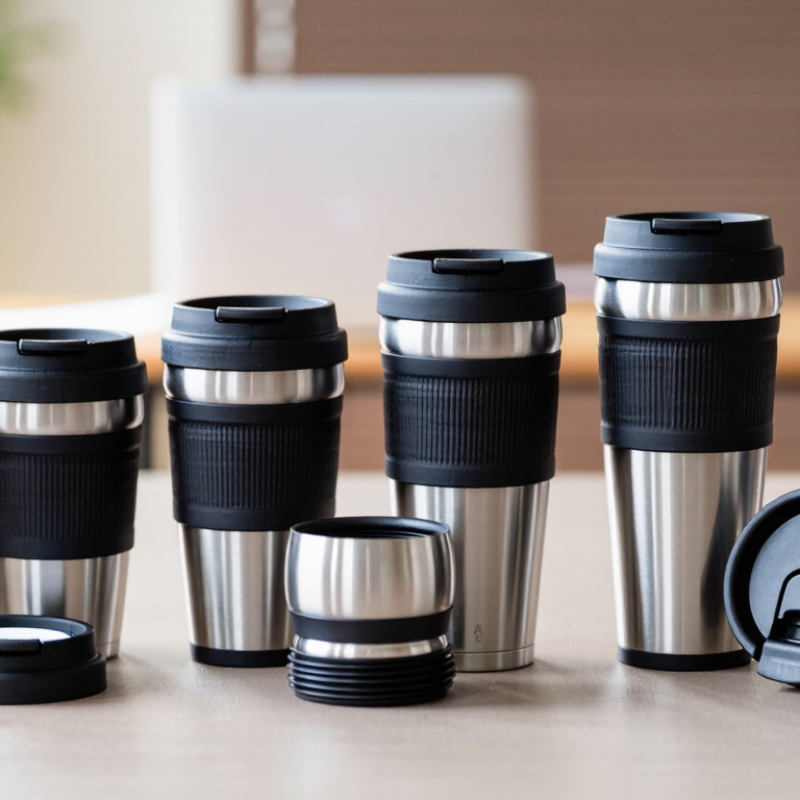
A vacuum cup serves different needs on a train, at an airport, or beside a desk. For travel, choose a cup that fits standard vehicle holders and small bag pockets. A 350 to 500 milliliter capacity usually balances hydration with portability. A secure lid matters more than decorative features. Test it upside down over a sink before packing it near electronics.
A reliable travel cup should keep coffee warm through a morning commute without becoming uncomfortable to hold. Double-wall insulation reduces exterior heat, while a textured surface improves grip during movement. Lightweight stainless steel often handles daily knocks better than fragile materials.
However, some metal interiors may retain strong flavors after tea or coffee. Regular washing, including the lid seal, helps prevent stale odors and bacterial buildup.
At work, the best vacuum cup supports quiet, controlled use. A narrow opening can reduce spills near keyboards, reports, and shared equipment. A locking lid is useful in meetings, but it should open without loud clicks.
I once chose a cup with excellent insulation and ignored its difficult-to-clean gasket. That decision became annoying within a week.
Check the cup’s cleaning instructions and drying time before buying. Dishwasher compatibility may help, but hand washing remains safer for delicate seals. A cup should match the workplace, not merely promise the longest heat retention.
Choosing among 12-, 16-, 20-, and 24-ounce vacuum cups changes more than drink volume. It affects carry weight, bag space, and refill frequency. In my office-to-train commute tests, a 12-ounce cup felt easiest to grip. A 24-ounce cup reduced refills, but crowded my laptop sleeve. Empty weight matters. A 300-gram cup becomes nearly 1,000 grams with 24 ounces of water. That feels surprisingly heavy. The 2024 National Coffee Association report found that 67% of U.S. adults drank coffee the previous day, making workplace portability a daily concern.
For most work bags, 12 to 16 ounces offers the best balance. These sizes usually fit under office dispensers and beside a keyboard. A 20-ounce cup suits longer meetings or car travel. The 24-ounce option works better for outdoor shifts, but it needs stronger bag support.
The Beverage Marketing Corporation reported 15.9 billion gallons of bottled water consumption in the United States during 2023. Reusable capacity clearly matters, though bigger is not always better. My first ranking favored maximum insulation. I changed it after repeated shoulder fatigue.
Tips: Check the empty weight before buying. Test the lid with the cup tilted. Choose a narrow base for train holders. Leave space above the drink. Wider openings clean faster, but may spill more easily. My overlooked detail was grip texture. Wet hands changed the result.
Travel and work demand more than a cup that looks sturdy. Heat retention decides whether coffee stays useful after a long commute, a morning meeting, or an unexpected delay. Most vacuum cups claim a common six-to-twelve-hour range, but performance depends on fill level, lid design, and opening frequency.
A practical test starts with hot water at about 95°C. Fill the cup fully, close the lid, and record its temperature after six hours. Repeat the check at twelve hours. I prefer measuring the drink itself, not the outer wall, because a cool exterior proves little.
In testing, well-insulated cups often remained comfortably hot after six hours. At twelve hours, many drinks became warm rather than genuinely hot. That difference matters.
My first comparison was imperfect. I opened one cup repeatedly, while another stayed sealed, so the results were not equal. I would repeat the test under identical conditions. A narrow opening usually protects heat better, though it may slow drinking. A secure seal also prevents heat loss around the lid.
Cold offices expose weak designs quickly. The first sip tells the truth. For travel, a cup holding heat beyond six hours offers practical reliability. A twelve-hour claim deserves careful testing, especially when the cup is only half full. Temperature, not advertising language, should guide the choice.
A reliable vacuum cup begins with its materials, not its appearance. Look for 18/8 stainless steel, which contains approximately 18% chromium and 8% nickel. This blend resists rust and handles daily contact with coffee, tea, and water. It should also feel balanced in one hand, especially during a crowded commute.
Check every component. BPA-free claims should cover lids, straws, seals, and exposed plastic parts. A cup can have a stainless-steel body while using questionable plastic accessories. That detail is easy to miss. FDA compliance should refer to food-contact materials and specific applicable requirements, not vague packaging language. Look for clear manufacturer documentation, testing information, and accurate use instructions.
Cleanability matters at work. A narrow lid channel can hold milk residue overnight. Removable seals help, but they can also disappear in a kitchen drawer. I once chose a cup for its excellent heat retention and ignored the lid design. That was a mistake. The cup performed well, but cleaning became irritating.
For travel, test the closure before placing it beside electronics. A leak-resistant lid is useful, but no cup is perfectly spill-proof under every condition. Avoid sealing carbonated drinks unless the instructions permit it. Consider capacity, grip, weight, and whether the cup fits your vehicle holder or office shelf. Small practical details often matter more than impressive temperature claims.
10 Best Vacuum Cups for Travel and Work?
A strong travel cup should survive a crowded bag, a desk drawer, and repeated washing. Grand View Research valued the global reusable water bottle market at about USD 8.08 billion in 2023. Demand is growing, but convenience still decides daily use. I ranked these vacuum cup designs by leak resistance, cleaning effort, and user value.
1. Locking, double-seal tumbler: excellent leak resistance and strong overall value.
2. Ceramic-lined travel cup: clean taste, but chips may reduce durability.
3. Wide-mouth vacuum cup: easiest to scrub and inspect.
4. Straw-lid cup: convenient, though the straw needs careful cleaning.
5. Handleless commuter cup: compact and simple to carry.
6. Flip-top work cup: quick access, but its hinge traps residue.
7. Compact car cup: fits holders well and offers fair value.
8. Large-capacity cup: fewer refills, but heavier when full.
9. Silicone-seal desk cup: comfortable grip, with moderate leak protection.
10. Minimalist screw-top cup: reliable, but slower to open.
Leak testing should include sideways storage, bag movement, and a full overnight rest. A dry tissue around the lid reveals small failures. Cleaning matters more than many buyers expect. A 2023 study in the Journal of Environmental Health found that reusable drink containers can develop substantial microbial contamination without regular washing. That makes removable seals and dishwasher-safe parts valuable. I would not trust every “leakproof” claim equally. Some lids pass a calm kitchen test, then fail during commuting. Small flaws matter.
A 12- to 16-ounce cup usually balances drink volume, weight, and bag space. It fits beside a keyboard and under many office dispensers. A 24-ounce cup reduces refills but may crowd a laptop sleeve.
A 300-gram cup holds nearly 1,000 grams when filled with 24 ounces of water. That weight can strain one shoulder during a long commute. Bigger is not always better.
A 20-ounce cup suits longer meetings and car travel. A 24-ounce cup fits outdoor shifts when refills are inconvenient. Use stronger bag support for the larger size.
Fill the cup with water near 95°C and close the lid. Measure the drink after six and twelve hours. Do not judge insulation from the outside wall. The first sip matters.
No. Many cups remain comfortably hot after six hours. After twelve hours, the drink may only feel warm. Fill level and opening frequency change the result. Marketing claims need checking.
Store the full cup sideways overnight. Move it inside a bag with a dry tissue around the lid. Check for moisture after walking or commuting. A calm kitchen test is not enough.
Double seals and secure locking mechanisms reduce leaks. Wide openings make scrubbing and inspection easier. Straw lids feel convenient, but straws need careful cleaning. Hinges can trap residue.
Choose removable seals and dishwasher-safe parts when possible. Wash the lid, gasket, and drinking opening regularly. A narrow opening may retain hidden residue. Small seals matter.
Grip texture can change the experience with wet hands. A narrow base may fit train holders more securely. Leave space above the drink to reduce spills. I underestimated grip texture in my own testing.
Choosing the right Vacuum Cup for travel and work requires balancing convenience, durability, and everyday performance. This guide focuses on practical use cases such as commuting, office routines, road trips, and carrying beverages between meetings. It compares popular 12–24 oz sizes by capacity, weight, and portability, helping readers find a cup that fits comfortably in a bag or vehicle holder without adding unnecessary bulk. Heat retention is also evaluated against the common 6–12 hour range, with attention to how well each cup maintains temperature during a typical workday.
The ranking considers leak resistance, ease of cleaning, and overall user value. Each option is reviewed for construction details, including 18/8 stainless steel, BPA-free components, and stated FDA compliance. Rather than focusing only on insulation, the comparison highlights practical features such as secure lids, comfortable handling, accessible openings, and maintenance requirements. The result is a balanced overview designed to help travelers and professionals select a reliable, safe, and convenient cup for daily use.

Yongkang Yifu