China Best Glass Tumbler Manufacturer and Supplier?

Time:2026-09-19 Author:Charlotte
0%

Choosing the right China Glass Tumbler manufacturer and supplier requires more than comparing prices. Buyers should examine material quality, production experience, inspection methods, and communication standards. A dependable supplier can provide clear glass specifications, stable wall thickness, smooth rims, and packaging that protects each tumbler during transit.

Look closely at the details.

Experienced factories often support soda-lime and borosilicate glass options, depending on temperature needs and product design. They may also offer custom shapes, logos, colors, lids, straws, gift boxes, and retail packaging. However, customization should not hide basic quality issues. A beautiful sample means little if mass production changes the weight, clarity, or fit.

Reliable manufacturers usually share product drawings, sample records, testing procedures, and shipment updates. Buyers should ask about food-contact materials, durability checks, carton strength, and traceability. Independent inspections can add confidence before large orders leave the factory. Clear answers matter.

A professional supplier should understand both manufacturing limits and market expectations. For example, a tumbler designed for cafés may need different packaging from one sold through online retail. Small details, such as silicone seal fit and print alignment, can influence customer reviews.

No supplier is perfect.

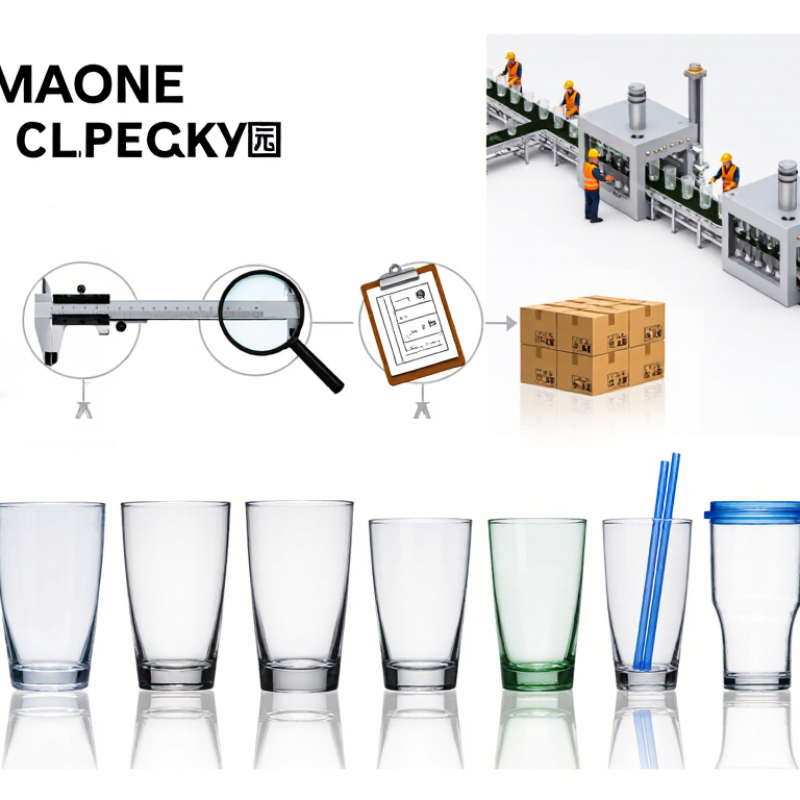
Even experienced factories may make mistakes, especially when designs change quickly. That is why written specifications, pre-production samples, and honest corrective discussions are essential. This guide explores how to evaluate China’s best Glass Tumbler manufacturers and suppliers through practical evidence, technical knowledge, and responsible purchasing decisions.
China Best Glass Tumbler Manufacturer and Supplier?

What Makes China a Leading Glass Tumbler Manufacturing Base?

China Best Glass Tumbler Manufacturer and Supplier?

What Makes China a Leading Glass Tumbler Manufacturing Base?

China has become a major glass tumbler manufacturing base through deep supply networks and practical factory experience. Many production areas sit near glass plants, packaging suppliers, mold workshops, and shipping hubs. This proximity can shorten procurement cycles and reduce unnecessary transport between stages.

Manufacturers commonly use soda-lime or borosilicate glass, depending on heat resistance and product requirements. Experienced teams control forming temperature, wall thickness, annealing, and surface inspection. These steps matter when a tumbler meets hot tea, cold water, or repeated washing. Factory audits should review batch records, worker training, calibration certificates, and sampling procedures. Do not trust polished samples alone.

Customization is another strong advantage. Factories can adjust capacity, rim shape, base weight, printing, and protective packaging. Small trial orders help buyers test clarity, balance, breakage rates, and delivery consistency. Communication still needs care. A detailed technical drawing prevents costly assumptions. Some suppliers may promise more than their equipment can reliably deliver. That weakness deserves attention, not polite silence.

Modern facilities may use automated inspection and energy-efficient furnaces, while skilled workers handle visual checks. Costs can remain competitive because materials, tooling, labor, and logistics are available within connected regional clusters. However, the lowest quotation is not always the safest choice. Reliable sourcing depends on transparent quality controls, documented specifications, realistic lead times, and responsible packaging decisions.

Key Types of Glass Tumblers Made in China

China Best Glass Tumbler Manufacturer and Supplier?

Key Types of Glass Tumblers Made in China

Chinese glass tumbler factories commonly produce soda-lime, borosilicate, tempered, and double-wall designs. Soda-lime glass suits daily drinking and offers practical pricing. Borosilicate glass handles temperature changes better, making it useful for hot tea or iced coffee. Tempered tumblers provide improved impact resistance, though they are not unbreakable. Double-wall models keep hands cooler and reduce condensation on tables. Stemless, handled, straight-sided, and textured tumblers serve different dining and retail needs. Small details matter. A thick base improves balance, while a smooth rim makes drinking more comfortable.

Tips: Ask for material specifications, heat-resistance data, rim thickness, and packaging tests. Request samples before placing a large order. Check for bubbles, uneven walls, sharp edges, and unstable bases. These flaws may appear minor but can affect customer trust. Confirm whether decoration uses food-contact-safe processes and whether inspection records are available. Clear communication prevents costly misunderstandings.

From practical sourcing experience, the best supplier is not always the cheapest option. A low unit price may hide weaker cartons, higher breakage, or inconsistent capacity. Share drawings, target volume, carton requirements, and inspection standards early. Factory visits or independent inspections can reveal production habits that photographs miss. Even experienced buyers sometimes overlook the lid fit or dishwasher instructions. That deserves another check. Reliable manufacturers should explain limitations honestly and provide repeatable samples before mass production.

How to Evaluate a Reliable Glass Tumbler Manufacturer

China Best Glass Tumbler Manufacturer and Supplier?

How to Evaluate a Reliable Glass Tumbler Manufacturer

A reliable manufacturer should prove quality through actions, not polished website photographs. Request factory certificates, production records, and recent product samples before discussing large orders. During sample checks, inspect rim smoothness, wall thickness, clarity, weight, and base stability. Small defects often reveal weak process control.

Ask which glass materials are used and how each batch is tested. Food-contact documentation should match the destination market and product design. Thermal shock testing matters when tumblers face hot coffee, cold drinks, or repeated washing. A professional supplier should explain testing methods clearly, including acceptance limits and inspection frequency. Vague answers deserve caution.

Visit the factory when possible, or arrange a live video audit. Look for clean storage areas, calibrated equipment, trained inspectors, and separate handling for finished goods. Traceable batch codes can connect one carton to its inspection report. Packaging also needs attention; dividers, drop tests, and moisture protection reduce avoidable damage. I have found that fast replies do not always mean strong production control. One supplier may communicate perfectly, yet struggle with consistent sizing. That is an uncomfortable detail, but it matters. Ask for a pilot order and compare delivered pieces with approved samples. Review lead times, replacement procedures, payment records, and change-control practices. Reliable cooperation feels measurable, not merely friendly.

This buyer-oriented evaluation model gives the greatest weight to food-contact compliance and consistent product quality, followed by production reliability, customization capability, packaging, logistics, and after-sales communication. It is designed to help compare glass tumbler manufacturers without using company or brand data.

China’s Glass Tumbler Production and Quality Control Process

China’s glass tumbler production combines automated forming with detailed manual inspection. Mordor Intelligence’s 2024 market analysis forecasts the global glass tableware market to grow at about 3.5% annually through 2029. This demand increases pressure on Chinese suppliers to control consistency, not only output.

Production begins with silica sand, soda ash, limestone, and recycled cullet. Each batch needs accurate weighing. International Energy Agency data shows glass melting commonly requires roughly 4–6 gigajoules per tonne. Furnace temperature, viscosity, and forming speed affect wall thickness. Small changes can create uneven rims, bubbles, or weak bases. Annealing then reduces internal stress through controlled cooling.

Quality teams measure height, diameter, capacity, and verticality. They inspect cracks under bright lighting. Thermal shock testing often follows ASTM C149 guidance. Migration testing may check lead and cadmium against the buyer’s destination-market rules. China also remains a major exporter under HS 7013, according to 2023 UN Comtrade trade data. A reliable supplier should provide batch records and corrective-action reports. No inspection plan is flawless. Human checks can miss tiny edge damage, especially during busy shifts. Better factories repeat sampling, review defect trends, and adjust the process before shipment.

China Best Glass Tumbler Manufacturer and Supplier? - China’s Glass Tumbler Production and Quality Control Process
Production / Quality Stage Key Data Dimension Typical Process or Specification Quality-Control Method Acceptance Criteria Relevant Standard or Reference
1. Raw Material Preparation Glass composition Silica sand, soda ash, limestone, recycled cullet, and approved colorants are proportioned according to the selected glass formulation. Incoming-material verification, supplier documentation review, and batch-weight checks. Correct material identity, clean cullet, and batch weights within the plant’s approved tolerance. ISO 9001 quality-management practices; plant-approved formulation controls.
2. Batch Mixing Batch homogeneity Dry ingredients are mechanically mixed before charging into the melting furnace to reduce composition variation. Visual inspection, mixer-operation checks, and periodic composition verification. Uniform batch with no visible contamination, excessive moisture, or unmixed pockets. Documented process-control procedures and calibrated weighing equipment.
3. Glass Melting Melting temperature Common soda-lime glass is melted at approximately 1,400–1,600°C, depending on furnace design and formulation. Continuous temperature monitoring, furnace alarm checks, and operator process records. Stable temperature profile and sufficiently refined melt with minimal visible seeds or bubbles. Industrial furnace-control procedures; product requirements determine the final process window.
4. Forming Shape, capacity, and wall distribution Automatic forming equipment creates the tumbler body, rim, base, and profile. Common capacities include approximately 250–500 mL. Dimensional sampling with gauges, calibrated scales, and visual checks during production. Capacity, height, diameter, rim profile, and base geometry remain within the approved product drawing tolerances. Customer-approved technical drawing; measurement equipment traceable to calibration records.
5. Annealing Internal stress reduction Formed tumblers pass through an annealing lehr, where they are reheated and cooled in a controlled manner. Lehr temperature and conveyor-speed monitoring; polarized-light inspection for residual stress. No unacceptable stress patterns, distortion, or cracking after controlled cooling. ASTM C148 principles for measuring annealing point and strain point of glass.
6. Cutting and Edge Finishing Rim safety and smoothness Excess glass is removed when required, and the rim is fire-polished or mechanically finished. Visual inspection, hand-feel inspection with protective procedures, and dimensional checks. Rim is smooth, continuous, free from sharp edges, chips, cracks, and exposed points. Applicable food-contact and product-safety requirements for the destination market.
7. Surface Decoration Print or coating adhesion Optional decoration may use ceramic ink, organic ink, frosting, coating, or other approved surface treatments. Color comparison, placement measurement, adhesion testing, and wash or abrasion checks where specified. Decoration matches the approved artwork and remains legible without unacceptable peeling, smearing, or transfer. ISO 105-A02 for visual color assessment; test method selected according to decoration type.
8. Dimensional Inspection Product dimensions and weight Typical checks include overall height, mouth diameter, base diameter, wall thickness, capacity, and net weight. Sampling inspection using calibrated calipers, gauges, scales, and volumetric equipment. Results conform to the approved drawing, packaging specification, and declared capacity requirements. ISO 2859-1 sampling framework may be used for lot-based inspection.
9. Visual Defect Inspection Defect classification Inspectors check for cracks, chips, stones, blisters, cords, black spots, excessive bubbles, mold marks, and deformation. Controlled lighting, defined viewing distance, trained inspectors, and defect reference samples. No critical defects; major and minor defects remain within the approved inspection limits. Buyer-approved defect classification and documented inspection plan.
10. Thermal Shock Testing Temperature-change resistance Selected samples are exposed to a specified hot-to-cold or cold-to-hot temperature difference. Laboratory test using controlled water baths or an equivalent validated procedure. No breakage, cracking, or hazardous failure under the agreed test conditions. ISO 7459 for thermal-shock resistance of glass containers, where applicable.
11. Food-Contact Safety Extractables and restricted substances Finished glass and any decoration or coating are evaluated according to the destination market’s food-contact rules. Laboratory testing, material declarations, and migration or heavy-metal testing when required. Complies with applicable legal limits for food-contact articles and approved decoration materials. Applicable requirements may include EU Regulation (EC) No. 1935/2004, FDA requirements, or local regulations.
12. Packaging Inspection Protection during transport Tumblers are separated with suitable dividers or protective material and packed in labeled cartons or pallets. Carton quantity check, barcode or label verification, drop-test review where specified, and packing audit. Correct quantity and labeling; no movement that can cause breakage under approved handling conditions. ISTA test procedures may be selected according to shipment type and packaging design.
13. Final Lot Release Inspection status and traceability Production, inspection, test, packing, and nonconformance records are reviewed before shipment authorization. Final sampling inspection, document review, lot coding, and corrective-action verification. All required records are complete, nonconforming products are segregated, and the lot meets the approved specification. ISO 9001-style document control, traceability, and corrective-action practices.

What to Consider When Choosing a Chinese Glass Tumbler Supplier

Choosing the best Chinese glass tumbler supplier requires more than comparing unit prices. Grand View Research valued the global glass packaging market at approximately USD 78.5 billion in 2023. This scale creates opportunities, but also many inconsistent factories. Ask whether the supplier owns production lines or outsources them. Request factory videos, production records, and recent food-contact test reports. A polished sample proves little.

Glass quality should be checked through rim smoothness, wall thickness, thermal shock resistance, and base stability. For daily-use tumblers, small defects can become costly breakage during shipping. Ask for testing against relevant standards, such as lead and cadmium migration limits. ISO 9001 certification can support process control, but it does not replace product inspection. Inspectors should measure random cartons before shipment, not only review photographs. Ideally, check the first production batch yourself or appoint an independent testing agency.

Sustainability also deserves practical attention. The European Container Glass Federation reports that adding 10% recycled glass can reduce furnace energy use by roughly 2–3%. Ask about recycled content, furnace temperature records, and packaging materials. Confirm minimum order quantities, mold ownership, replacement policies, and shipping protection. Some suppliers promise fast delivery, yet overlook carton compression tests. That mistake is easy to miss. I would keep a second qualified supplier, even after a successful order, because capacity and export conditions can change quickly.

FAQS

What glass types are commonly used for tumblers?

Soda-lime glass suits everyday drinking and offers practical pricing. Borosilicate glass handles temperature changes better. Tempered glass improves impact resistance, but it is not unbreakable.

Which tumbler design works best for hot and cold drinks?

Borosilicate tumblers suit hot tea and iced coffee. Double-wall designs keep hands cooler and reduce table condensation. They can still require careful cleaning.

What physical details should buyers inspect?

Check rim smoothness, wall thickness, clarity, weight, and base stability. A thick base improves balance. Sharp edges and bubbles need rejection.

How can buyers test a manufacturer before placing a large order?

Request recent samples, material specifications, test records, and factory certificates. Use a pilot order first. Compare delivered pieces with approved samples.

What testing information should a reliable supplier provide?

Ask about thermal shock testing, inspection frequency, and acceptance limits. Food-contact documents should match the destination market. Vague answers deserve caution.

How can buyers reduce breakage during shipping?

Review dividers, carton strength, drop-test results, and moisture protection. Weak packaging can erase savings from a lower unit price. Breakage gets expensive quickly.

Is the cheapest tumbler manufacturer always the best choice?

Not necessarily. A low price may hide inconsistent capacity, weaker cartons, or higher breakage. The cheapest option can become costly.

What should a factory audit reveal?

Look for clean storage, calibrated equipment, trained inspectors, and separate finished-goods handling. A live video audit can expose problems photographs miss. It is imperfect, but useful.

Which production and cooperation records should buyers confirm?

Check batch codes, lead times, replacement procedures, payment records, and change-control practices. Confirm decoration uses food-contact-safe processes. Even experienced buyers may overlook lid fit or cleaning instructions.

Conclusion

China has become a leading manufacturing base for glass tumblers because of its mature glass-processing industry, broad raw material access, skilled workforce, and flexible production capacity. Manufacturers can produce many styles, including clear drinking glasses, stackable tumblers, heat-resistant models, textured designs, and customized products for hospitality or everyday use. This variety allows buyers to select suitable shapes, capacities, materials, decorations, and packaging options for different markets.

When evaluating a reliable Glass Tumbler manufacturer, buyers should review production experience, material standards, product samples, customization capabilities, and communication efficiency. A dependable factory normally follows controlled processes such as glass melting, forming, annealing, polishing, printing, inspection, and secure packing. Quality control should cover dimensions, wall thickness, clarity, durability, finishing, and packaging integrity. When choosing a Chinese supplier, it is also important to compare pricing, minimum order quantities, lead times, quality documentation, export experience, and after-sales support. Careful assessment helps buyers establish a stable supply relationship and receive consistent products that meet their intended requirements.


Charlotte

Charlotte

Charlotte is a seasoned marketing professional with a deep understanding of the company's portfolio and a passion for elevating its presence in the market. With a keen eye for detail and a commitment to excellence, she ensures that our professional blog is regularly updated with insightful articles......