Choosing the perfect glass tumbler can seem overwhelming. With so many options available, it is crucial to select one that fits your needs. Tom Henderson, a renowned expert in glassware design, once stated, "A glass tumbler is not just a vessel; it is an experience." This perspective highlights the importance of not only functionality but also aesthetics in your choice.
When considering a glass tumbler, think about its intended use. Are you sipping whiskey, iced tea, or perhaps a smoothie? The style and material of the tumbler impact your experience. Clear glass can enhance the visual appeal of your drink. Additionally, the weight and shape of the tumbler can influence how it feels in your hand.
Reflecting on your lifestyle is essential. A tumbler that suits your dining table might not work for outdoor picnics. Even the dishwasher compatibility can be crucial for busy individuals. As you navigate your options, remember, the ideal glass tumbler should align with both your practical needs and personal taste.
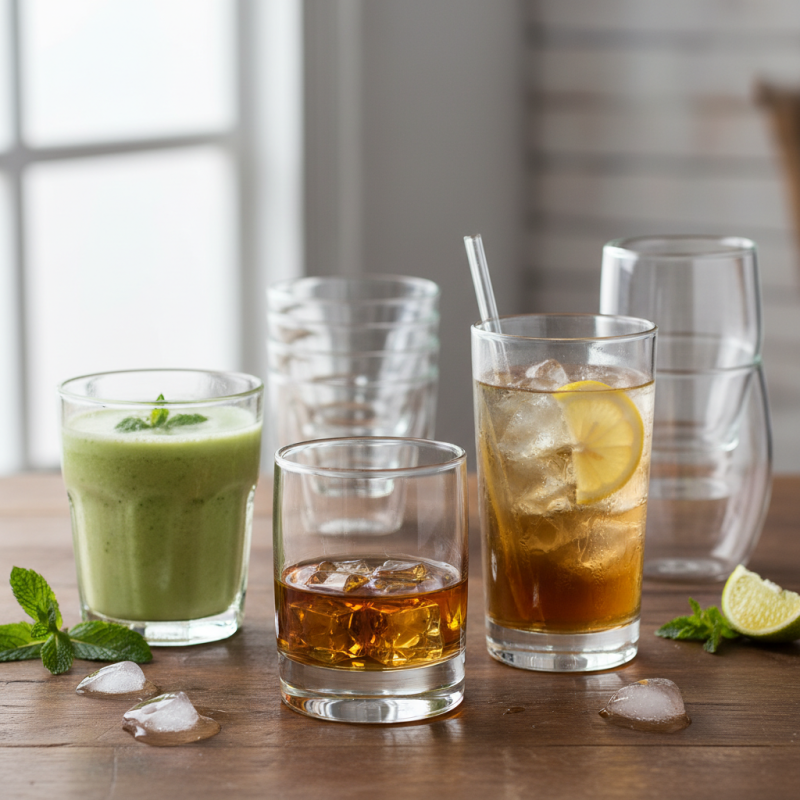
Factors to Consider When Selecting a Glass Tumbler for Daily Use
Choosing the right glass tumbler is essential for daily use. The first factor to consider is material quality. Glass tumblers come in various types, including soda-lime glass and borosilicate glass. Borosilicate glass, known for its thermal resistance, is ideal for hot drinks. According to industry reports, borosilicate options are less likely to break under temperature changes.
Next, consider the size and shape of the tumbler. A standard 12 to 16-ounce tumbler is versatile for most beverages. Tumblers with wider openings allow for easier cleaning and drinking. The design affects not just aesthetics but also grip comfort. Studies indicate that ergonomic designs can reduce hand strain, especially during frequent use.
Another significant factor is durability. Tempered glass offers enhanced strength and resistance to breakage. However, some tumblers may chip or crack over time, leading to safety concerns. Users must weigh aesthetics against practicality. Choosing a tumbler that blends beauty and function can be challenging. Each choice reflects a balance between personal style and everyday needs.
Understanding Different Types of Glass Material: Tempered vs. Borosilicate
When choosing a glass tumbler, understanding the differences between glass materials is crucial. Tempered glass is heat-treated to increase its strength. It’s resistant to thermal shock and can withstand sudden temperature changes. According to Glass Magazine, tempered glass is used in many applications because it is five times stronger than regular glass. This makes it a reliable choice for daily use and versatile in various environments.
Borosilicate glass, on the other hand, is known for its resistance to thermal shock. It can handle high-temperature changes without cracking. This quality comes from its unique composition, which includes silica and boron trioxide. A study by the American Society of Glass Technology highlights that borosilicate glass maintains clarity and sturdiness under extreme conditions. This makes it ideal for laboratory settings and kitchen use.
Tips: When selecting a tumbler, consider your usage. For casual dining, tempered glass is suitable. If you love brewing hot beverages, opt for borosilicate glass. Remember to check the weight; heavier tumblers often indicate better quality. Be mindful, though; not all glassware is made equal. Some might look attractive but lack durability. Always look for reputable sources when choosing your tumblers.
Assessing the Impact of Size and Capacity on Convenience and Usage
When selecting a glass tumbler, size and capacity play crucial roles. A large tumbler holds more liquid and often provides a satisfying drinking experience. However, it can feel cumbersome in your hand. A smaller tumbler offers convenience but may require frequent refills. Assess how you will use it daily. If you enjoy large drinks, opt for a larger size. If portability is key, choose a compact model.
Tips to consider when choosing size: Measure your typical drink portion. Think about how often you’ll fill your tumbler. Will it be for water, cocktails, or coffee? Each beverage might require a different capacity. Glasses designed for specific drinks often enhance enjoyment. Pay attention to their shape and how they fit in your hand.
Consider the tumbler's purpose. Do you use it at home or take it on-the-go? Larger glasses are suitable for home use but can be heavy. Smaller tumblers may suit travel better. Reflect on your daily routine. Choose a size that aligns with your lifestyle needs. A well-chosen tumbler will enhance your drinking experience significantly.
Evaluating Design and Aesthetics: How Style Influences Preference
When choosing a glass tumbler, design and aesthetics play a crucial role. The appearance of a tumbler can influence your overall drinking experience. A beautifully crafted tumbler can elevate your everyday hydration routine. Consider the color, shape, and texture. These elements affect not only the look but also the feel of the tumbler in your hand.
Tips: Look for tumblers that match your style. If you enjoy minimal design, opt for sleek, clear glass. For something bold, choose a vibrant color or unique shape.
The thickness of the glass can also impact aesthetics. Thinner glasses might feel more elegant but are often less durable. Reflect on your lifestyle. If you’re often on the go, durability might trump design. However, if you cherish slow, mindful sipping, focus on form and beauty. Don't rush your choice; sometimes, the perfect tumbler is one you haven't considered yet.
Tips: Always assess how a tumbler feels when held. If it's comfortable, you'll likely enjoy using it more. Remember to think about how the tumbler’s style resonates with your personality, leading to a more satisfying experience.
Exploring Health and Safety Standards for Food-Grade Glass Products
When selecting a glass tumbler, health and safety standards are critical. Food-grade glass must meet strict regulations to ensure safety. According to the U.S. Food and Drug Administration, food-contact materials must be safe for humans. Glass tumblers should also be free from harmful chemicals like lead and cadmium. Regular testing by certified laboratories can ensure compliance with these standards.
Tips: Check for certifications. Look for labels that indicate the glass is FDA-approved or complies with FDA regulations.
Quality matters when choosing glass tumblers. Not all glass is created equal. Some glass types, such as borosilicate, are more resistant to thermal shock. This means they can withstand temperature changes without breaking. A report from the Glass Packaging Institute states that high-quality glass retains its integrity over time. Additionally, consider the potential for scratches and chips. These imperfections can harbor bacteria and compromise food safety.
Tips: Inspect the glass regularly. Don't use tumblers that show signs of wear.
Always be mindful of your glass choice. The visual appeal is important, but safety must come first. While it’s tempting to go for lower-priced items, they may not meet rigorous safety standards. Investing in quality ensures better long-term use and peace of mind regarding health.
FAQS
: Consider borosilicate glass for its thermal resistance. It withstands temperature changes better than soda-lime glass.
A 12 to 16-ounce tumbler is versatile. It fits most beverages comfortably for daily consumption.
Check for FDA-approved labels. Select tumblers that comply with strict health and safety standards.
Ergonomic designs reduce hand strain. They improve comfort during frequent use, making your experience better.
Choose tempered glass for strength. It resists breakage but watch out for chips that can create safety issues.
Inspect your tumbler regularly for scratches or cracks. Don't use those that show signs of wear.
Safety should come first. Beautiful designs may fail to meet safety standards. Prioritize quality over aesthetics.
Lower-priced items often compromise quality. They might not meet rigorous safety standards. Investing in quality is wise.
Wider openings make cleaning and drinking easier. Shape can influence comfort and grip as well.
No, quality varies. High-quality glass retains integrity and safety over time, while inferior glass may not.
Conclusion
When choosing the best glass tumbler for your needs, several factors should be carefully considered. First, the type of glass material plays a crucial role, with tempered glass offering durability and borosilicate glass providing heat resistance. Additionally, the size and capacity of the tumbler can significantly affect its convenience and your overall usage experience, making it essential to select one that suits your daily beverage needs.
Design and aesthetics are also important considerations, as the style of a glass tumbler can influence personal preference and complement your kitchen or dining decor. Finally, ensuring that the glass tumbler meets health and safety standards for food-grade products is vital for safe usage. Taking these factors into account will help you find a glass tumbler that not only meets your practical requirements but also aligns with your taste and lifestyle.

 Yongkang Yifu