How to Choose the Best Food Container for Your Needs?

Time:2026-07-26 Author:Ethan
0%

Choosing the right food container is crucial for maintaining food quality and safety. With various materials, sizes, and purposes available, the options can be overwhelming. A good food container not only preserves freshness but also fits your lifestyle needs.

Consider your storage space and how often you meal prep. Glass containers are durable and microwave-safe, while plastic options may be lighter and more portable. Think about whether you need leak-proof features for soups or a container that can go from freezer to oven. Each choice reflects a balance of convenience and functionality.

Remember, the best food container is not one-size-fits-all. Reflect on your habits and preferences. There’s no perfect option, as circumstances change. Continually reassessing your needs will lead to better choices in food storage.
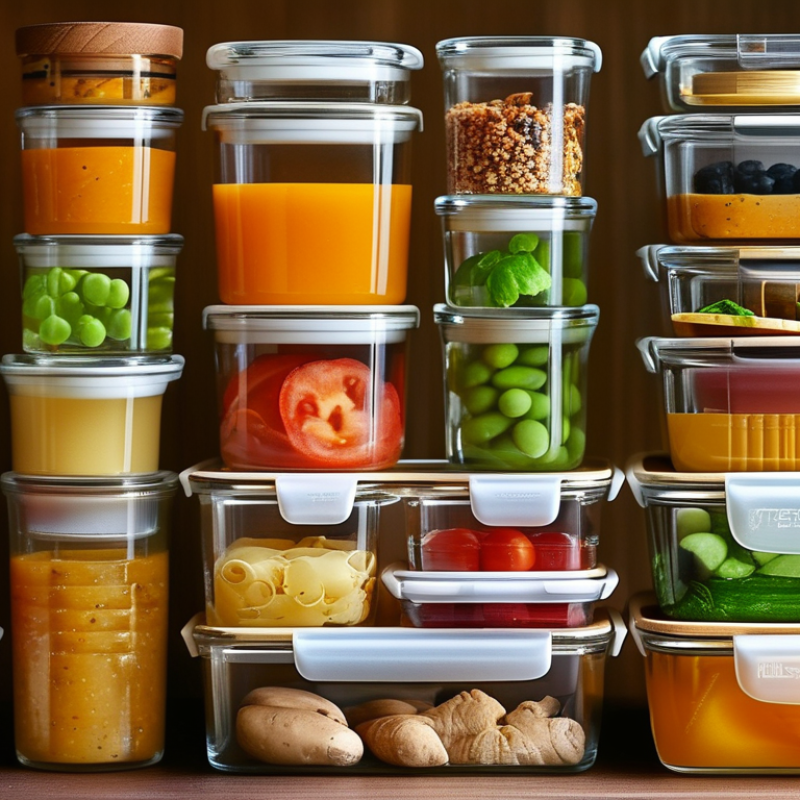
How to Choose the Best Food Container for Your Needs?

Factors to Consider When Selecting Food Containers

When selecting food containers, several key factors play a crucial role. Material is one of them. Glass and stainless steel are often preferred for their durability and safety. Plastic containers are lightweight but may contain harmful chemicals. Assessing your priorities will guide your choice.

Size matters too. Think about what you'll store. If meal prepping, opt for larger containers. For snacks or sauces, smaller portions work best. Be mindful of your storage space. Oversized containers might clutter your kitchen.

Tips: Always check for airtight seals. This feature keeps food fresh longer. Consider stackable designs to save space. Finally, look for containers labeled as microwave or dishwasher safe to simplify cleaning. Remember, the ideal container meets your specific needs without compromising safety or convenience.

Types of Food Containers and Their Specific Uses

Choosing the right food container can greatly enhance your cooking and meal prep. Different types of containers serve unique functions. For instance, glass containers are known for their durability and safety in the microwave. They can easily transition from oven to table, making them versatile. However, they are heavier and can break more easily than plastic options.

Plastic containers are lightweight and often come with secure lids. They are ideal for storing leftovers or packing lunches. However, some people worry about chemicals leaching from plastic. To counter this, look for BPA-free products. Metal containers are also a solid choice, especially for outdoor activities. They are robust and insulated, keeping your food hot or cold. Yet, their heavier nature might not suit everyone’s needs.

Consider your usage pattern when selecting a container. Are you meal prepping for the week? You'll need larger, stackable options. For on-the-go meals, smaller containers work better. It's essential to reflect on your lifestyle choices. Finding the right food container isn't just about storage; it's about convenience and safety. Evaluate what you truly need before making a decision.

Understanding Material Safety and Quality in Food Storage

Choosing the right food container involves understanding material safety and quality. Many materials can affect food safety, flavor, and shelf life. Glass, stainless steel, and food-grade plastics are popular choices. Each has its pros and cons. For example, glass is non-reactive and durable. But it can break easily, which can be a concern in a busy kitchen.

Food-grade plastics are lightweight and shatter-resistant, but not all are created equal. Look for BPA-free options. Heat can also damage plastics, causing harmful chemicals to leach into food. That’s why knowing the right temperature limits is crucial when using plastic containers.

Be aware of scratches and wear, as they can harbor bacteria. Regularly inspect your containers for signs of aging. Quality matters in the long run; investing in durable, safe materials pays off. Not all food containers will perform perfectly, and finding the right balance of function and safety can be a learning process.

Food Container Material Safety Comparison

Evaluating Size and Capacity for Different Food Items

Choosing the right food container involves understanding the size and capacity needed for various food items. Consider how much you typically store. A small container might suit snacks or spices, while larger ones are ideal for bulk items. Assessing the nature of the food is crucial. For instance, liquids require tight seals to prevent leaks, while dry goods benefit from breathable materials.

When selecting a container, think about the volume it offers. Keep in mind the difference between volume and weight. A high-capacity container may not fit bulkier items efficiently. It's essential to visualize the contents and their arrangement. Use measuring cups to help with accurate sizing. This practical exercise can prevent overspending on unnecessary space.

Tips: Always leave some space in containers. It helps maintain freshness and avoids spoilage. Consider stackable options to save space in your kitchen. Think about how often you access the contents; some may benefit from frequent use while others might be stored away. Reflect on your eating habits to guide your choices effectively. Select containers that match your lifestyle to maximize utility and convenience.

How to Choose the Best Food Container for Your Needs? - Evaluating Size and Capacity for Different Food Items

Food Item Recommended Container Size (L) Capacity (liters) Material Type Best Use Case
Pasta 1.5 - 2.0 1.5 Plastic Long-term storage
Rice 3.0 - 4.0 3.0 Glass Regular use
Flour 2.0 - 2.5 2.2 Plastic Baking ingredients
Sugar 1.0 - 1.5 1.0 Metal Short-term use
Cereals 1.5 - 2.0 1.7 Bamboo Breakfast storage

Examining Features and Benefits of Food Containers

When choosing food containers, several features stand out. Material is crucial. Glass containers are durable and non-toxic. They do not retain odors or stains. Plastic options are lightweight but may wear out over time. Look for BPA-free labels to ensure safety.

The lid design also impacts usability. Airtight seals can keep food fresh longer. Some containers have compartments, which help with meal prep. Stackable designs save space in your kitchen. However, be cautious with too many compartments; they can limit portion sizes.

Ease of cleaning is another key aspect. Dishwasher-safe containers are convenient for busy lifestyles. However, some intricate designs can trap food residues. It’s wise to test a few options. Find what fits your routine best. Remember, the right container can make a big difference in food storage and meal preparation. Consider your specific needs and preferences carefully.

FAQS

: What materials are preferred for food containers?

: Glass and stainless steel are favored for their durability and safety. They do not leach chemicals.

How do I choose the right size of food container?

Consider what you'll store. Larger containers are good for meal prep; smaller ones suit snacks.

Why are airtight seals important in food containers?

Airtight seals keep food fresh longer and prevent spoilage. They are essential for maintaining quality.

Are plastic containers safe for food storage?

Some plastic containers may leach chemicals. Look for BPA-free options to ensure safety.

What types of food containers are versatile?

Glass containers can go from oven to table easily. They are durable but can break if dropped.

What should I inspect in my food containers?

Regularly check for scratches or wear. These can harbor bacteria and affect food safety.

Are metal containers good for food storage?

Yes, metal containers are robust and insulated. They can keep food hot or cold for outdoor use.

How does temperature affect plastic food containers?

Heat can damage plastics, causing harmful chemicals to leach. Be aware of temperature limits when using them.

Can I use my food containers in the microwave?

Check if containers are labeled microwave safe. Not all materials can withstand heat without damage.

How can I balance function and safety in container selection?

Evaluate your needs and reflect on your usage patterns. Finding the right fit is a learning process.

Conclusion

Choosing the best food container is essential for effective food storage and preservation. When selecting a food container, several factors should be taken into account, including material safety and quality, to ensure that it is safe for storing food. The types of food containers vary, each suited for specific uses, such as glass containers for microwaving or plastic ones for convenience.

Additionally, the size and capacity of the food container should align with the types of food items being stored, which helps in avoiding waste and maintaining freshness. Lastly, it's important to evaluate the features and benefits that different food containers offer, such as airtight seals or stackability, to enhance your storage solutions and keep your food organized and secure. By considering these aspects, you can confidently select a food container that meets your needs.


Ethan

Ethan

Ethan is a seasoned marketing professional with a deep expertise in our company's innovative product line. With a passion for sharing knowledge and insights, he takes the lead in regularly updating our corporate blog, where he explores industry trends, product features, and effective marketing......