2026 How to Choose the Best Drinking Bottle for Your Needs?

Time:2026-07-21 Author:Isabella
0%

Choosing the right Drinking Bottle can significantly enhance your hydration experience. With a plethora of options available, the decision can be overwhelming. You want a bottle that meets your specific needs. Each person's lifestyle is unique, which affects their choice of a drinking bottle.

Consider factors like material, size, and design. A stainless steel option might keep your water cool, while a lightweight plastic bottle may suit your active lifestyle. Also, think about whether you need insulation for outdoor activities or simply a reliable bottle for daily use.

Reflect on your habits as well. Do you often forget to drink water? A bottle with time markers might help you stay on track. Pay attention to the details. A quality drinking bottle should not just be functional, but also comfortable to carry. It should feel like an extension of your daily routine, encouraging hydration and well-being.
2026 How to Choose the Best Drinking Bottle for Your Needs?

Understanding Different Types of Drinking Bottles Available on the Market

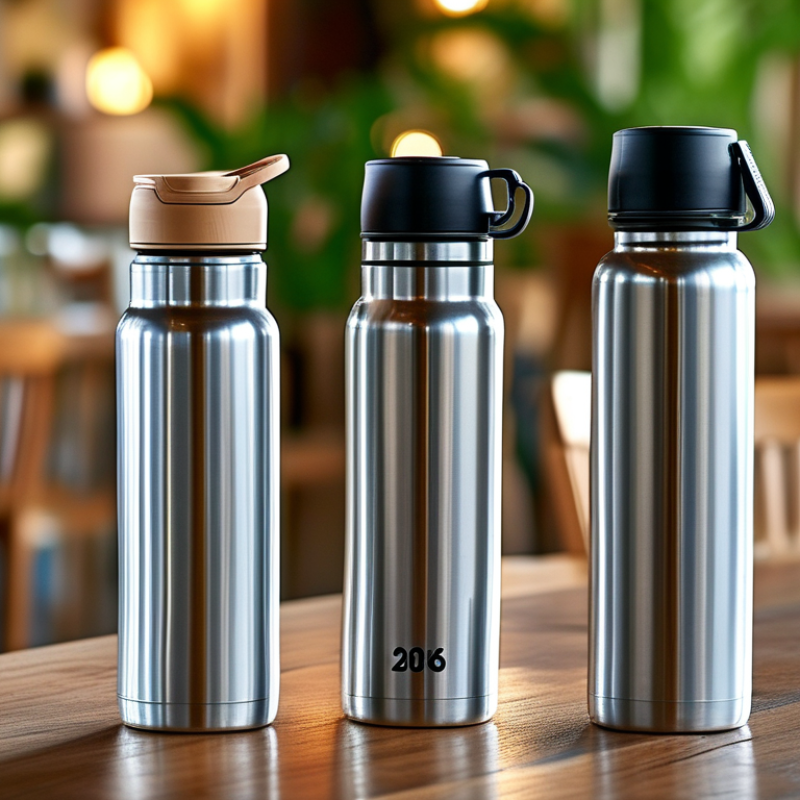
When selecting a drinking bottle, understanding the various types can be essential. Stainless steel bottles are durable and excellent for temperature regulation. They keep drinks hot or cold for hours. This material is also resistant to rust and can withstand rough handling. However, their weight may not be ideal for everyone.

Plastic bottles are lightweight and often come with flip-top lids for easy sipping. They are versatile and available in many designs. Keep in mind, though, that some plastics may leach chemicals over time. Glass bottles provide a non-toxic option. They don't affect the taste of your drink. However, they are fragile, making them less suitable for outdoor activities.

Choosing the right bottle often requires personal consideration. Assess your activity level and how you intend to use the bottle. A bottle that works for the gym may not be ideal for hiking. Reflecting on these factors can help make an informed decision that aligns with your lifestyle. This thoughtful approach ensures you pick a bottle that truly meets your needs.

Comparison of Different Types of Drinking Bottles

This chart compares the most common types of drinking bottles based on their popularity, durability, and average price. Understanding these factors can help you choose the best bottle for your needs.

Key Features to Consider When Selecting a Drinking Bottle

Choosing the right drinking bottle involves understanding key features tailored to your lifestyle. Material is paramount. Stainless steel bottles maintain temperature well, keeping drinks cold or hot for hours. Glass bottles are eco-friendly and free from harmful chemicals. Lightweight plastic bottles are convenient for travel, but ensure they are BPA-free.

Capacity is another crucial factor. A study shows that hydration affects physical performance significantly. Aim for bottles that hold enough liquid for your activities. Typically, 20-32 ounces is a good range for daily hydration. However, larger capacities may be necessary for outdoor activities.

Design matters too. Ergonomic shapes provide comfort during use. A narrow shape fits most cup holders, while wide mouths simplify filling and cleaning. Consider added features like built-in straws or filters. These conveniences can enhance usability and flexibility in various scenarios. Ultimately, the bottle should reflect your daily needs and activities.

Material Comparison: Plastic, Stainless Steel, Glass, and Beyond

When selecting a drinking bottle, the material is key. Each option has unique benefits and drawbacks. Plastic bottles are lightweight and often cheaper. However, they may leach chemicals if exposed to high temperatures. Choose BPA-free options for safety.

Stainless steel is durable and can keep drinks hot or cold longer. It's resistant to rust and corrosion, making it great for outdoor adventures. But it can be heavy and may not fit all cup holders.

Glass bottles are another eco-friendly choice. They don't retain flavors or odors, and they’re easy to clean. Yet, they can break easily and are usually heavier than plastic or stainless steel. Consider your lifestyle when choosing a material.

Tips: Look for bottles with insulation if you want to keep your drinks at the desired temperature. Also, consider size. A larger bottle may be great for hikes, but a smaller one fits better in a backpack. Remember, the right bottle enhances your hydration experience.

Assessing Size and Capacity for Your Lifestyle and Activities

Choosing the right drinking bottle begins with understanding size and capacity. Consider how you plan to use it. If you hike regularly, a larger capacity may suit your needs. You'll want enough water for long treks. For daily commutes, a smaller, more portable bottle might work better. Think about your specific activities and routines.

The capacity of a bottle can impact your hydration habits. A bottle holding 500ml might be perfect for the office, while a 1-liter option is great for workouts. You might forget to refill a smaller bottle frequently. However, larger bottles can be bulky and inconvenient. Test it out to find what feels right.

Reflect on your lifestyle. What do you carry with you? Are you inclined to overpack? A streamlined approach can simplify your day. Sometimes, less is more. Choose a size that fits seamlessly into your life. This balance encourages regular hydration and supports your overall health.

2026 How to Choose the Best Drinking Bottle for Your Needs?

Bottle Type Size (oz) Material Insulation Ideal Use
Wide Mouth 32 oz Stainless Steel Double Wall Hiking, Gym
Collapsible 16 oz Silicone N/A Travel, Urban
Sports Bottle 24 oz BPA-free Plastic N/A Running, Cycling
Insulated Bottle 20 oz Stainless Steel Vacuum Sealed Outdoor, Camping
Infuser Bottle 20 oz Glass N/A Flavoring Water

Eco-Friendly Choices: Sustainable Options for the Conscious Consumer

Choosing an eco-friendly drinking bottle is vital for the environmentally conscious consumer. Recent studies show that over 1 million plastic bottles are purchased every minute worldwide. This staggering figure highlights the urgent need for sustainable alternatives. Opting for reusable bottles significantly reduces plastic waste. A typical reusable bottle can replace hundreds of single-use bottles over its lifetime.

When selecting a sustainable bottle, consider materials carefully. Stainless steel and glass are durable and recyclable. According to the Plastic Pollution Coalition, switching to these materials can cut down your carbon footprint significantly. A stainless steel bottle can lower greenhouse gas emissions by 50% compared to a plastic one. However, not all stainless steel or glass bottles are created equal. Some may be lined with harmful coatings. Look for certified brands that prioritize safety and environmental responsibility.

Reflecting on your choices is vital in this journey. Many consumers still choose plastic for convenience, but the long-term consequences are detrimental. It's essential to assess the impact of your purchasing decisions. Investing in a high-quality, eco-friendly bottle may result in a higher upfront cost. Yet, this initial investment pays off over time, both financially and environmentally. Sustainable choices require commitment and awareness, but they contribute to a healthier planet.

FAQS

: How do I choose the right size for my drinking bottle?

: Consider your activities. Larger bottles are better for hiking, while smaller bottles suit daily commutes.

What capacity is best for daily hydration?

A 500ml bottle works well for office use. A 1-liter bottle is ideal for workouts.

Are larger bottles inconvenient?

Yes, they can be bulky. It’s important to find a size that feels comfortable to carry.

Why should I consider eco-friendly bottles?

They significantly reduce plastic waste. A reusable bottle can replace hundreds of single-use ones.

What materials should I look for in a sustainable bottle?

Choose stainless steel or glass. These materials are durable and recyclable, reducing your carbon footprint.

Are all stainless steel bottles safe?

No, some may have harmful coatings. Look for certified options that prioritize safety.

Why do some people still choose plastic bottles?

Convenience often leads to plastic use. However, long-term impacts are harmful to the environment.

Is investing in an eco-friendly bottle worth it?

Yes, it may have a higher upfront cost but pays off financially and environmentally over time.

How can I reflect on my purchasing decisions?

Assess the long-term impact of your choices. The benefits of sustainable options can be significant.

Conclusion

When selecting the best drinking bottle for your needs, it's important to understand the different types available on the market. Options range from plastic, stainless steel, to glass, each offering unique benefits and drawbacks. Key features such as insulation, lid design, and ease of cleaning should be prioritized based on your personal preferences and lifestyle.

Additionally, consider the size and capacity of the drinking bottle to ensure it fits your activities, whether you're heading to the gym or going on a hike. For the environmentally-conscious consumer, exploring eco-friendly choices can also significantly impact your decision. In summary, a thoughtful approach to choosing a drinking bottle can enhance your hydration experience while aligning with your values and routines.

Isabella

Isabella

Isabella is a dedicated marketing professional with a sharp focus on driving brand growth and engagement through strategic content creation. With an extensive background in digital marketing, she combines her passion for storytelling with her keen understanding of industry trends to deliver......