Top 10 Coffee Cup Types for Global Buyers

Time:2026-10-14 Author:Sophia
0%

Choosing the right Coffee Cup is more than selecting an attractive shape. Global buyers must balance material safety, insulation, durability, branding, cost, and local disposal conditions. A cup that performs well in a busy London café may feel unsuitable in a hot outdoor market in Dubai. Context matters.

Coffee expert James Hoffmann has said, “The cup is part of the experience.” This observation remains valuable for importers, retailers, roasters, and hospitality groups. Rim thickness affects drinking comfort. Interior shape can influence aroma. Double-wall paper cups protect hands, while ceramic cups create a slower, more premium service ritual. Reusable plastic, stainless steel, and glass options serve different purchasing environments.

This guide examines ten practical Coffee Cup types for global buyers. It considers takeaway paper cups, compostable alternatives, ceramic mugs, glass cups, stainless steel tumblers, reusable plastic cups, espresso cups, and insulated travel designs. Each category has strengths and weaknesses. Some “eco-friendly” products still require specific collection systems. Others look durable but crack under repeated temperature changes.

Details matter.

Buyers should request food-contact documentation, test samples, wall-strength data, lid compatibility, carton dimensions, and supplier quality records. They should also check whether claims about recyclability or compostability apply in their target markets. Marketing language can be vague. Sometimes, the cheaper choice creates more waste through leakage, breakage, or poor stacking.

The ranking ahead is useful, but not absolute. A perfect cup does not exist. The strongest decision matches the product, customer habit, climate, logistics network, and realistic end-of-life process.
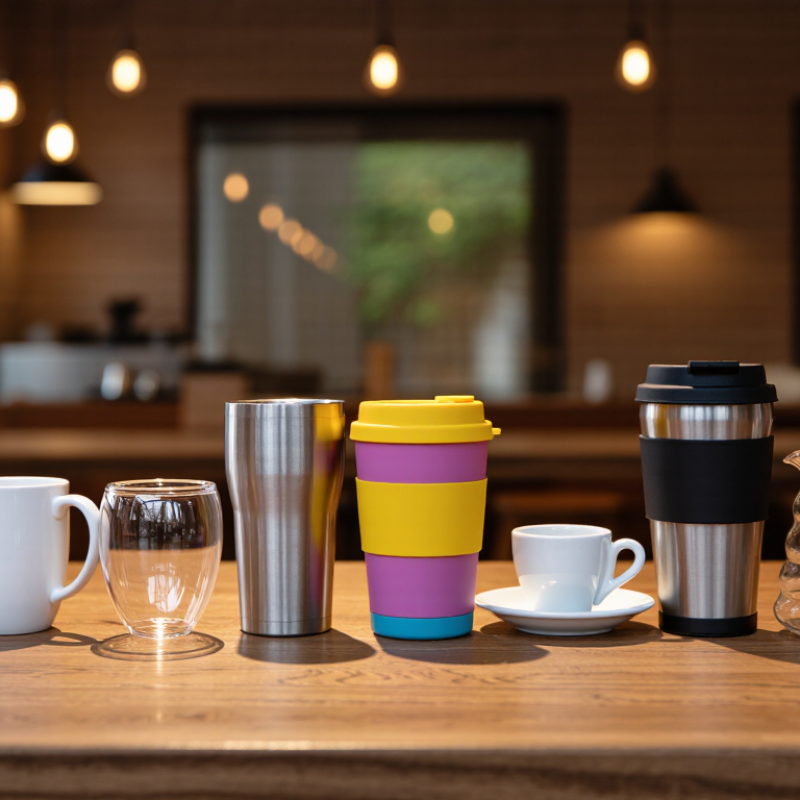
Top 10 Coffee Cup Types for Global Buyers

Understanding the Main Coffee Cup Categories

Top 10 Coffee Cup Types for Global Buyers

Understanding the Main Coffee Cup Categories

Coffee cup categories begin with material, use case, and service temperature. Ceramic cups suit cafés, hotels, and home settings because they retain heat and feel stable in the hand. Glass cups display layered drinks, although they lose heat faster and need careful shipping protection. Stainless steel cups support travel use, outdoor service, and repeated washing. They are durable, but some users dislike the metallic drinking experience.

Paper cups remain practical for takeaway coffee, especially where speed and stacking matter. Plastic cups are lightweight and useful for iced beverages, but buyers must check local disposal requirements. Compostable cups can support specific waste systems, yet their performance depends on correct collection facilities. Reusable polypropylene cups offer low weight and repeated use, though scratches can affect appearance. The labels are not perfect.

The International Coffee Organization estimated global coffee consumption at 177.9 million 60-kilogram bags in 2023/24, showing the scale of daily cup demand. The National Coffee Association reported that 67% of surveyed U.S. adults drank coffee in the past day in spring 2024. These figures are not global cup statistics, but they reveal strong consumption pressure. For procurement teams, cup selection should include lid fit, wall thickness, thermal testing, shipping loss, and washing cycles. A cheaper cup can become expensive after leakage, returns, or damaged cartons. Real-world testing still matters more than a polished specification sheet.

Top 10 Coffee Cup Types for Global Buyers

Understanding the Main Coffee Cup Categories by Typical Nominal Capacity

Capacities shown are commonly used nominal sizes for each coffee cup category. Actual capacity can vary by market, product design, and fill level. These figures describe cup formats rather than company or brand performance.

Comparing Materials, Shapes, and Functional Features

Top 10 Coffee Cup Types for Global Buyers

Material changes the drinking experience, cleaning routine, and shipping risk. Ceramic mugs retain heat well and suit cafés, offices, and home use. Porcelain feels lighter and looks refined, but it can chip more easily at the rim. Glass shows coffee color clearly and supports product presentation. However, ordinary glass may become too hot to hold.

Stainless steel cups handle drops and frequent transport. Vacuum-insulated versions keep drinks warm longer, although their lids and seals need careful testing. Plastic cups are lightweight and economical, but buyers should confirm food-contact compliance in each target market. Silicone travel cups fold easily and resist breakage. Their soft walls may feel less stable on a crowded desk. Paper cups support quick service, yet they create more packaging waste and usually need sleeves.

Shape affects comfort as much as material. A narrow espresso cup concentrates aroma and supports a small serving. A wide latte cup leaves room for foam and makes pouring easier. Straight tumblers stack efficiently, while tapered cups feel more secure in the hand. Handles improve control, but oversized handles increase carton space. I have seen attractive cups fail because their lids leaked during transport. Small details matter: a secure seal, a balanced base, and a smooth drinking edge. No cup wins every test. Buyers should compare heat retention, drop resistance, dishwasher tolerance, nesting efficiency, and local safety requirements before placing a large order.

Matching Coffee Cup Types to Different Drinking Needs

Top 10 Coffee Cup Types for Global Buyers

Matching Coffee Cup Types to Different Drinking Needs

Coffee cup selection should follow the drinking occasion, not only appearance. The International Coffee Organization estimated global coffee consumption at 177.9 million 60-kilogram bags in 2023/24. That scale creates varied needs, from quick espresso service to long workplace drinking.

For espresso, choose a small demitasse cup with thick walls and a stable base. Cappuccino cups need wider bowls, helping preserve foam and release aroma. Ceramic mugs suit slow home drinking, while glass cups make layered drinks visually clear. Double-wall glass helps protect hands during hot service.

Paper hot cups fit takeaway demand, especially when speed and low weight matter. Reusable plastic cups can support outdoor use, but buyers should check heat resistance and cleaning requirements carefully.

For commuting, vacuum-insulated tumblers hold temperature longer and reduce spills with secure lids. Travel mugs are practical for vehicle use, although cup-holder dimensions differ across markets. Stainless steel cups suit repeated use and rough handling.

Lightweight reusable cups work well in offices, but their lids often need more testing than expected. The National Coffee Association’s Spring 2024 report found that 67% of American adults drank coffee in the past day, showing how frequently cup convenience matters.

Procurement teams should test grip, rim comfort, leakage, and washing cycles.

That rule is useful, but not absolute. A beautiful glass cup may fail in a busy café. Even experienced buyers can overlook local serving sizes and hand comfort. Small pilot orders expose those mistakes before large shipments.

Evaluating Durability, Safety, and Environmental Impact

Top 10 Coffee Cup Types for Global Buyers

Evaluating Durability, Safety, and Environmental Impact

Global buyers can compare ceramic, porcelain, glass, stainless steel, aluminum, polypropylene, Tritan, silicone, paper, and molded fiber cups. Each material behaves differently during drops, heat exposure, washing, and transport. Ceramic and porcelain feel premium, but cracks can hide beneath the glaze. Tempered glass handles temperature changes better, yet sharp fragments remain a concern after severe impact. Stainless steel is highly durable and reusable, although its mining footprint deserves attention.

Safety needs evidence, not attractive packaging. Ask suppliers for food-contact test reports, migration results, and clear temperature limits. Plastic cups require special scrutiny because heat, grease, and repeated washing may affect material performance.

The OECD Global Plastics Outlook (2022) reported 353 million tonnes of plastic waste in 2019, with only 9% recycled.

That figure makes material selection important, but reuse frequency matters too. A durable cup used hundreds of times may outperform a disposable option.

Environmental scoring is rarely simple. The United Nations Environment Programme’s Turning off the Tap report (2023) supports reducing unnecessary single-use products and improving circular systems. Paper cups often need plastic barriers, while molded fiber cups may require coatings. Those layers can complicate recycling.

Stainless steel can dent, but it may survive years of daily use.

Silicone travels well and resists breakage, yet recycling routes remain limited in many markets.

No cup wins every test. Buyers should request lifecycle data, test samples, and disposal guidance before placing large orders. Small suppliers may provide incomplete documents, and that weakness should not be ignored.

Choosing the Right Coffee Cups for Global Markets

Top 10 Coffee Cup Types for Global Buyers

Choosing the Right Coffee Cups for Global Markets

Global buyers need more than attractive coffee cups. They need dependable products for local habits, transport conditions, and service styles. The ten practical options include ceramic, porcelain, glass, double-wall glass, stainless steel, paper, fiber-based compostable cups, enamel, stoneware, and reusable plastic. Each type serves a different market. Porcelain suits cafés seeking a refined appearance, while paper cups support takeaway service. Double-wall glass protects hands and displays layered drinks clearly. Stainless steel handles travel well, but it may feel less traditional.

Material choice should reflect temperature, breakage risk, printing needs, and shipping weight. In sourcing work, I check rim comfort, lid fit, stacking stability, and surface durability before discussing appearance. A cup can look excellent in a sample room and fail during repeated washing. That gap deserves attention. Food-contact documentation and packaging requirements also differ between markets, so buyers should verify current local standards with qualified testing bodies.

Tips

Ask suppliers for performance samples, not only product photos. Test hot coffee, cold drinks, washing cycles, and delivery movement. Measure carton size and breakage rates before placing large orders. Keep regional preferences in mind; some customers prefer generous handles, while others value slim travel designs. Do not ignore color consistency. It can shift between production batches. A simple inspection checklist improves reliability, although it will not remove every production mistake.

Top 10 Coffee Cup Types for Global Buyers - Choosing the Right Coffee Cups for Global Markets

No. Coffee Cup Type Typical Capacity Main Material Key Characteristics Microwave Use Dishwasher Use Best-Fit Global Market Segment Important Buying Considerations
1 Ceramic Mug 250–400 ml
(8–14 fl oz)
Glazed ceramic Good heat retention, comfortable grip, broad design flexibility, and suitable for everyday use. Usually yes, if marked microwave-safe and free from metallic decoration. Usually yes; verify the manufacturer’s care instructions. Households, offices, cafés, restaurants, and hospitality. Check glaze durability, rim strength, handle attachment, lead and cadmium compliance, and packaging protection.
2 Porcelain Cup 180–300 ml
(6–10 fl oz)
Porcelain or fine porcelain Smooth, dense, and relatively lightweight with a refined appearance and low porosity. Usually yes, provided there is no metallic trim. Usually yes; confirm the specific product rating. Specialty coffee, hotels, restaurants, premium tableware, and formal dining. Evaluate chip resistance, stacking design, thermal-shock performance, and compliance with food-contact regulations.
3 Stoneware Mug 300–450 ml
(10–15 fl oz)
High-fired stoneware Thicker and heavier than porcelain, with strong heat retention and a handcrafted appearance. Usually yes when specifically labeled microwave-safe. Often yes; inspect glaze and manufacturer care guidance. Lifestyle retail, cafés, home use, giftware, and rustic or contemporary dining. Consider product weight, handle comfort, glaze consistency, base stability, and shipping breakage risk.
4 Double-Wall Glass Cup 250–350 ml
(8–12 fl oz)
Borosilicate glass Insulating air gap, clear presentation, and reduced exterior condensation compared with single-wall glass. Often yes, but follow the product instructions and remove silicone accessories first. Often yes; hand washing may be recommended for delicate designs. Specialty coffee, modern kitchens, cafés, gifts, and design-focused retail. Check wall integrity, rim quality, thermal-shock resistance, silicone seals, and protective packaging.
5 Single-Wall Glass Cup 200–350 ml
(7–12 fl oz)
Soda-lime or borosilicate glass Neutral taste, transparent appearance, easy beverage visibility, and generally lower insulation. Usually yes when labeled microwave-safe and free of metal components. Usually yes; verify resistance to thermal cycling. Home use, cafés, restaurants, tasting sessions, and beverage presentation. Assess glass thickness, thermal-shock resistance, grip safety, stackability, and transit protection.
6 Stainless Steel Travel Tumbler 350–600 ml
(12–20 fl oz)
Food-grade stainless steel Durable, portable, and often available with vacuum insulation, a lid, and a spill-resistant drinking opening. No. Metal containers must not be placed in a microwave. The steel body is often dishwasher-safe; lids and seals may require separate care. Commuters, outdoor users, corporate gifts, travel retail, and reusable drinkware. Check steel grade, leak resistance, insulation performance, lid sealing, coating durability, and replacement parts.
7 Enamel-Coated Steel Cup 250–400 ml
(8–14 fl oz)
Steel with vitreous enamel coating Lightweight, durable, heat-resistant, and suitable for outdoor or casual use when the coating remains intact. No, because the steel core is not microwave-safe. Often yes, but hand washing can help preserve printed designs and coated surfaces. Camping, outdoor leisure, casual dining, souvenir retail, and travel use. Inspect coating coverage, edge protection, impact resistance, rust prevention, and food-contact safety.
8 Paper Takeaway Cup 240–500 ml
(8–17 fl oz)
Paperboard with a moisture barrier Lightweight, disposable, stackable, and designed for fast-service beverage operations. Generally no; the lining, inks, and cup construction may not be microwave-compatible. No; designed for single use. Takeaway cafés, convenience stores, events, offices, and food-service operations. Select the correct barrier material, cup strength, lid fit, heat protection, print compliance, and local recycling requirements.
9 Reusable Polypropylene Cup 300–500 ml
(10–17 fl oz)
Food-grade polypropylene Lightweight, impact-resistant, and suitable for repeated use; usually less insulating than double-wall metal. Often yes when clearly labeled microwave-safe and used without metallic parts. Often yes; confirm temperature and cycle limits for the cup and lid. Schools, offices, family use, promotional programs, and value-focused reusable drinkware. Verify food-contact certification, odor and stain resistance, lid security, heat tolerance, and recycling identification.
10 Espresso Cup 60–90 ml
(2–3 fl oz)
Porcelain, ceramic, or tempered glass Small format designed for concentrated coffee servings, often with a thick wall for temperature stability. Usually yes for ceramic or porcelain models without metallic decoration. Usually yes; verify the product’s care rating. Coffee bars, restaurants, hotels, home espresso users, and specialty coffee retailers. Check internal volume accuracy, saucer compatibility, handle size, stacking efficiency, and resistance to repeated washing.
Buyer Note: Capacity, microwave suitability, dishwasher suitability, and food-contact compliance can vary by design, coating, lid, decoration, and local regulations. Always confirm the final product specifications and required certifications before placing an order.

FAQS

Which coffee cup material suits cafés and home settings?

Ceramic retains heat well and feels stable in the hand. It suits cafés, hotels, offices, and homes.

When is glass a practical choice?

Glass displays coffee layers and colors clearly. It loses heat faster and needs careful shipping protection.

What works best for takeaway coffee?

Paper cups support quick service, easy stacking, and simple handling. Sleeves may improve comfort around hot drinks.

Are reusable plastic cups useful?

Reusable polypropylene cups are lightweight and support repeated use. Scratches can reduce their visual appeal over time.

Which cups suit travel and outdoor use?

Stainless steel handles drops, transport, and frequent washing. Some users may dislike its metallic drinking feel.

How does cup shape affect daily use?

Narrow cups suit small espresso servings. Wide cups leave room for foam. Tapered shapes often feel safer in one hand.

What safety documents should buyers request?

Ask for food-contact reports, migration results, and temperature limits. Attractive packaging proves little.

How can buyers reduce environmental impact?

Compare reuse frequency, material durability, and local disposal systems. A cup used hundreds of times may perform better environmentally.

What should buyers test before placing a large order?

Test lid seals, heat retention, drop resistance, washing cycles, and carton damage. Real testing can expose weak points.

Can one cup type meet every requirement?

No cup wins every test. I might favor durability too quickly, while comfort and disposal also matter.

Conclusion

This guide explores the top 10 Coffee Cup types for global buyers, covering ceramic, porcelain, glass, stainless steel, paper, plastic-free compostable, reusable, insulated, travel, and specialty serving cups. It explains how materials, shapes, sizes, lids, handles, insulation, and stackability influence comfort, presentation, portability, and everyday performance. By comparing these features, buyers can identify the most suitable cup for home use, cafés, offices, hospitality settings, outdoor activities, and takeaway service.

The article also considers durability, heat resistance, food-contact safety, cleaning requirements, recyclability, and overall environmental impact. Different markets may prioritize affordability, premium appearance, lightweight construction, or long-term reuse, so purchasing decisions should reflect local preferences and practical conditions. With a clear understanding of drinking habits, product quality, sustainability goals, and supply needs, global buyers can select Coffee Cup options that balance function, style, safety, and value across a wide range of applications.


Sophia

Sophia

Sophia is a dedicated marketing professional with an exceptional depth of knowledge about her company's products and services. With a keen understanding of market trends and customer needs, she crafts insightful blog posts that not only inform but also engage readers, enriching the company’s online......