Top 10 Best Coffee Tumblers for Wholesale Buyers

Time:2026-09-24 Author:Liam
0%

For wholesale buyers, the right Coffee Tumbler is more than a good-looking cup. It must perform reliably across repeated use, shipment, and storage. A lid that leaks in a carton or a finish that scratches after a few washes can turn a promising order into a costly one. Small details matter.

This guide compares ten options through practical purchasing criteria: insulation, material, capacity, lid design, customization, packaging, and supplier consistency. A sample should feel balanced in the hand, seal securely when tilted, and fit common cup holders. Ask suppliers for product specifications and samples before placing a large order. Claims about temperature retention or durability deserve verification, not guesswork.

As coffee-equipment educator James Hoffmann has noted, “Coffee is a fruit.” That observation is not a tumbler-buying rule, and it is not a verified quotation about wholesale drinkware; it is a useful reminder that coffee quality begins before the cup. The vessel still shapes the drinking experience. A wide opening may make cleaning easier, while a narrow base can improve portability. Trade-offs remain. A heavier tumbler may feel sturdy but raise shipping costs; a lower price may leave less room for customization or quality checks. Use this top-ten list as a starting point, then test products against your buyers’ needs, order volume, and budget.
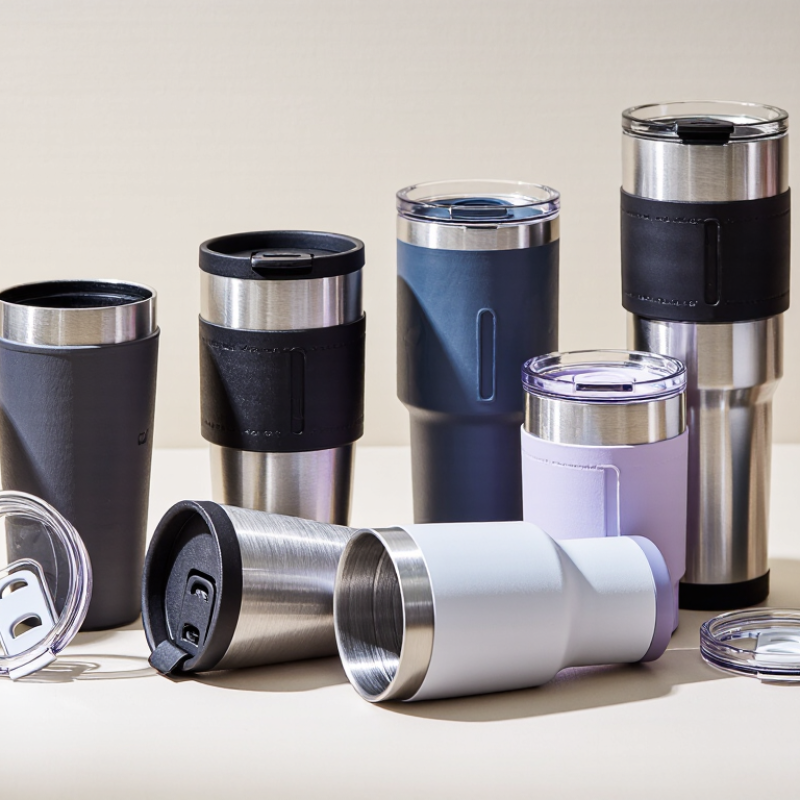
Top 10 Best Coffee Tumblers for Wholesale Buyers

How Coffee Tumblers Work and Which Features Matter

A coffee tumbler works by slowing heat transfer. In a double-wall vacuum model, the space between the walls contains very little air, reducing heat loss through conduction and convection. The lid helps limit heat exchange and spills, but it cannot keep a drink hot indefinitely. A cold drink benefits from the same barrier, though frequent opening still warms it. Practical testing matters: fill a sample with hot coffee, close the lid, and check its temperature after several hours. Small differences show up quickly.

For wholesale buyers, prioritize food-contact materials, a comfortable grip, and a lid that seals reliably without making cleaning difficult. Check capacity, cup-holder fit, opening size, and whether parts can be replaced. These details affect daily use more than a polished product photo does. The National Coffee Association’s 2024 National Coffee Data Trends report found that 67% of U.S. adults had coffee in the past day. That signals a broad routine, not proof that every customer wants the same tumbler. Test samples with your target users; even a good design can feel awkward in the hand.

Tips: Ask suppliers for insulation test conditions, not just “hours hot” claims. Compare like with like. Try washing the lid by hand, too; narrow corners can hold residue, and I would not overlook that.

Types of Coffee Tumblers Available for Wholesale

Wholesale buyers can choose from several coffee tumbler types, each suited to different routines. Double-wall stainless steel tumblers help retain heat and resist dents during daily commutes. Their weight and price can be higher, so compare both before ordering large quantities. A secure, tested lid matters. Even a sturdy cup can leak if its seal fits poorly.

Ceramic-lined tumblers offer a smooth drinking surface that many coffee drinkers prefer. They can feel more familiar than bare metal, but the lining may chip if the cup is dropped. Glass tumblers show the drink clearly and suit desks or cafés, though they need careful packaging. Lightweight plastic models often cost less and work well for events or promotional orders. Check the material’s heat rating and cleaning instructions.

Shape and lid style also distinguish wholesale options. Slim travel tumblers fit many cup holders, while wider models may hold more coffee but take up extra space. Straw lids suit iced coffee; flip or sip lids are often easier for hot drinks. Ask suppliers for sample units, dimensions, and care details before confirming a bulk order. Test the lid yourself. Small differences matter. A sample may perform well, yet production pieces can vary slightly, so clear quality checks are worth arranging.

Top 10 Coffee Tumblers for Wholesale Buyers

Wholesale buyers can build a useful coffee tumbler range by offering ten distinct styles, rather than ten colors of the same cup.

Double-wall stainless steel models suit customers who want drinks to stay warm during a commute. Ceramic-lined tumblers appeal to people who notice metallic aftertastes. Leak-resistant lids help prevent spills, while slider lids are easy to use at a desk. A handled tumbler feels comfortable on long walks.

Slim designs fit many vehicle cup holders, but dimensions should be checked against real samples. Glass options show the drink clearly. Lightweight, durable plastic styles can serve budget-conscious orders. Stackable shapes save shelf space.

Larger tumblers suit long workdays, and customizable finishes give organizations room for their own artwork. Small differences matter.

For wholesale purchasing, compare more than appearance.

Check lid fit, surface finish, capacity, packaging, and how easily each style can be cleaned. Ask suppliers for material specifications and sample units, then test them with hot coffee and a full bag or briefcase. A leak-resistant lid is not always fully leakproof; clear product wording builds trust.

Consider replacement lids and cartons that protect corners during shipping. Color samples can also vary from screen images. That is easy to overlook.

A balanced assortment may include practical everyday cups alongside a few distinctive shapes, though customer preferences will differ by market. Keep reorder timing and minimum quantities visible before committing to a large run.

Comparing Materials, Capacity, Insulation, and Design

For wholesale buyers, a coffee tumbler’s material affects both feel and daily performance. Stainless steel suits buyers seeking a sturdy body and dependable insulation, while double-wall plastic can be lighter and more budget-friendly. Ceramic-lined interiors may help preserve coffee flavor, but they can add weight and require careful handling. Check the lid, too: a sliding opening is convenient at a desk, while a secure seal matters more during travel. Small details count.

Capacity should match how customers drink. Compact tumblers around 300 milliliters fit espresso-based drinks and smaller bags. Models near 500 milliliters offer more room for a long commute, but may feel bulky in a car cup holder. Ask suppliers for actual product dimensions, not capacity alone. A tumbler can hold enough coffee yet still be awkward to carry.

Insulation claims deserve a practical check. Request test details, and compare how well samples retain heat after several hours, rather than relying only on broad promises. Design also shapes repeat use: a textured grip helps with damp hands, and a wide opening makes cleaning easier. Color and finish affect shelf appeal, but fingerprints show quickly on glossy surfaces. We have seen this overlooked. It is not a deal-breaker, though. Order samples and test them with real coffee before committing to a large quantity.

Top 10 Best Coffee Tumblers for Wholesale Buyers — Comparing Materials, Capacity, Insulation, and Design
Type Common Capacity Main Material Insulation Lid and Drinking Style Design and Wholesale Considerations Best-Suited Use
1. Double-Wall Stainless Steel Travel Tumbler 16–20 fl oz (473–591 ml) Food-contact stainless steel; typically a stainless inner wall Vacuum-insulated models can help retain drink temperature; performance varies by construction and testing method Usually a sliding or press-fit lid with a sip opening Durable, reusable, and suitable for laser engraving or printed decoration. Confirm lid fit, leak-resistance claims, and care instructions. Commuting, office use, and everyday hot or cold drinks
2. Stainless Steel Commuter Tumbler 12–16 fl oz (355–473 ml) Stainless steel body with a plastic or stainless lid Often vacuum-insulated, though some versions use a non-vacuum double wall Compact sip lid, sometimes designed for one-handed drinking Smaller formats may fit more cup holders. Ask suppliers for product dimensions and verify compatibility with target vehicles. Short commutes and smaller servings
3. Large-Capacity Stainless Steel Tumbler 30–40 fl oz (887–1,183 ml) Stainless steel body with a handled construction on many designs Commonly insulated; actual retention depends on wall construction, lid, and use Straw-compatible lid, sip opening, or both High capacity can appeal to customers seeking fewer refills. Check packed dimensions, shipping weight, handle strength, and whether the straw is included. Long workdays, travel, and cold beverages
4. Reusable Plastic Tumbler 16–24 fl oz (473–710 ml) Food-contact plastic; material varies by product Usually single-wall; some models have a double-wall design Press-fit lid with sip opening or reusable straw Lightweight and often available in many colors. Confirm the exact resin, food-contact documentation, temperature limits, and cleaning guidance. Cold drinks, events, and budget-conscious programs
5. Double-Wall Acrylic Tumbler 16–24 fl oz (473–710 ml) Acrylic outer and inner walls, depending on design Air-gap double wall can reduce exterior condensation; it is not equivalent to vacuum insulation Screw-on or press-fit lid, often paired with a straw Transparent walls can display layered drinks or decorative inserts. Check impact resistance, lid security, and dishwasher instructions. Iced coffee, smoothies, and promotional merchandise
6. Glass Tumbler with Protective Sleeve 12–20 fl oz (355–591 ml) Glass body with a removable silicone sleeve on many models Generally not insulated unless specifically constructed with double walls Often supplied with a lid and reusable straw Offers a non-metal drinking surface. Glass is breakable, so review protective packaging, replacement policies, and shipping-test requirements. Home, desk, and customers who prefer glass drinkware
7. Double-Wall Glass Tumbler 8–16 fl oz (237–473 ml) Double-wall glass, frequently made from heat-resistant borosilicate glass Air gap helps limit heat transfer and exterior condensation; it is not vacuum insulation Open rim or a compatible fitted lid, depending on model Distinctive floating-glass appearance. Confirm capacity, glass specification, thermal-use guidance, and protective packaging before ordering. Espresso drinks, tea, and presentation-focused retail
8. Ceramic-Lined Stainless Steel Tumbler 12–20 fl oz (355–591 ml) Stainless steel exterior with a ceramic interior coating Often vacuum-insulated when built with a vacuum double wall Typically a fitted sip lid The coated interior changes the drinking surface but can be more vulnerable to chipping than bare steel. Ask about coating coverage, care, and warranty terms. Hot coffee drinkers seeking a ceramic-style interior
9. Stainless Steel Tumbler with Handle and Straw 30–40 fl oz (887–1,183 ml) Stainless steel body with a handle and plastic or stainless lid components Commonly vacuum-insulated; lid openings may affect temperature retention Straw opening, sometimes with a separate sip opening Large, gift-friendly format with broad decoration areas. Verify handle attachment, straw material, cup-holder fit, and packed dimensions. Cold drinks, gifting, and high-capacity hydration
10. Reusable Stainless Steel Straw Tumbler 16–24 fl oz (473–710 ml) Stainless steel body with a reusable straw and fitted lid Single-wall and vacuum-insulated versions are both available Straw-first lid, sometimes with a stopper or cap A useful option for iced beverages and coordinated drinkware sets. Specify whether the straw, cleaning brush, and replacement parts are included. Iced coffee, cold brew, and reusable drinkware sets

Evaluating Suppliers, Pricing, and Customization Options

Top 10 Best Coffee Tumblers for Wholesale Buyers
Evaluating Suppliers, Pricing, and Customization Options

Wholesale buyers should compare more than the quoted unit price. Request samples and test each tumbler with hot coffee, cold water, and a full day in transit. Check lid fit, coating consistency, weight, and whether the product fits common cup holders. Small details matter. The National Coffee Association’s 2024 National Coffee Data Trends report found that 67% of U.S. adults had coffee in the past day, the highest share in its survey history. That signals broad daily use, but it does not prove every customer wants a reusable tumbler. Buyers should validate demand with their own audience.

Ask suppliers for itemized quotes at several order quantities, including packaging, printing, sample fees, and freight. A low unit cost can become less attractive when setup charges or shipping are added. Request written details on material grade, capacity tolerance, production lead time, and defect handling. Then compare like with like. For customization, confirm print area, color matching, and whether logos remain clear on curved surfaces. Get a physical proof before approving a large run; digital previews can hide placement problems. One useful question: what happens if the first shipment misses the agreed specification? Supplier answers may reveal more than polished product photos. Export paperwork and production timelines can also vary, so allow buffer time rather than promising a launch date too early.

FAQS

What types of coffee tumblers can wholesale buyers choose?

Options include double-wall stainless steel, ceramic-lined, glass, and lightweight plastic tumblers. Each suits different routines and budgets.

Which tumbler materials are best for daily commuting?

Double-wall stainless steel can retain heat and resist dents. It may weigh more and cost more, so compare samples before ordering.

What should I check when choosing a lid?

Test the seal with a full cup. Flip or sip lids often suit hot drinks, while straw lids work well for iced coffee.

Are glass tumblers suitable for wholesale orders?

They can suit desks and cafés because the drink stays visible. They need careful packaging, though, and breakage remains a concern.

How can I compare supplier prices accurately?

Request itemized quotes at several quantities. Include printing, packaging, sample fees, and freight; a low unit price can hide extra costs.

What should I test in a tumbler sample?

Try hot coffee and cold water. Check lid fit, coating, weight, cleaning instructions, and whether it fits common cup holders.

What details should suppliers confirm in writing?

Ask about material grade, capacity tolerance, lead time, defect handling, and shipping. Written terms help when production pieces vary slightly.

How can I check a custom design before a large order?

Confirm print area and color matching, then request a physical proof. Digital previews may hide placement problems on curved surfaces.

Does widespread coffee drinking guarantee tumbler demand?

No. Survey results suggest coffee is widely consumed, but they do not prove your customers want reusable tumblers. Test your audience.

How much time should I allow before a product launch?

Leave a buffer for production and freight delays. Supplier timelines can shift; promising a fixed launch date too early may backfire.

Conclusion

This article explores what makes a Coffee Tumbler practical for everyday use and wholesale purchasing, including how its construction helps retain heat or keep drinks cool. It outlines the main types available, from straightforward reusable cups to insulated models with different lids and drinking options. A top-ten selection highlights varied choices for buyers, with attention to capacity, material, insulation performance, portability, and design.

The guide also explains how to compare tumblers according to the needs of a target audience, whether comfort, durability, or appearance is the priority. For wholesale buyers, it covers supplier evaluation, pricing considerations, order requirements, and customization possibilities such as colors or printed designs. These points help buyers assess product quality and value, choose a suitable range, and make informed purchasing decisions without relying on a single feature alone.


Liam

Liam

Liam is a dedicated marketing professional with a profound expertise in the industry, where he excels at highlighting the unique advantages of our core products. With a keen understanding of market trends and consumer needs, Liam frequently updates our company’s professional blog, providing......