Choosing the right water bottle can significantly enhance your hydration experience. Whether you're at the gym, on a hike, or simply at your desk, the right bottle matters. The market is flooded with options, each claiming to be the best. However, not every bottle meets your needs or expectations.
Water bottles come in various materials, sizes, and designs. Some are insulated for temperature control, while others emphasize portability. These differences make your choice crucial. A bottle that leaks or is difficult to clean can lead to frustration. Seek bottles that prioritize both functionality and sustainability.
Consider your lifestyle. A stylish water bottle might catch your eye, but does it serve its main purpose? Reflect on the environments where you will use it. A durable bottle may be essential for outdoor activities. Ultimately, the best water bottle should complement your daily routines while keeping you hydrated and satisfied.
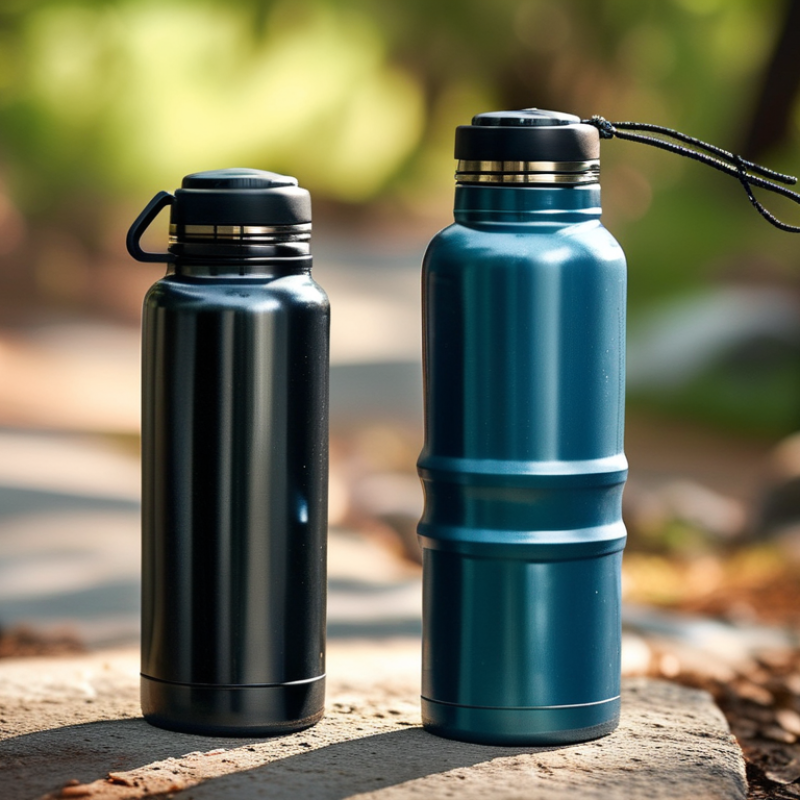
Choosing a water bottle for daily use requires careful consideration of various factors. Material is a key aspect; options range from stainless steel to BPA-free plastic. According to a study by the National Sanitation Foundation, stainless steel bottles are more resistant to bacteria growth. This can affect your health over time.
Another critical factor is size. A bottle that holds 500 ml is ideal for short outings, while a 1-liter size works well for hikes or workouts. Studies show that staying hydrated can improve cognitive performance by 30%. Therefore, the right size can significantly impact your daily hydration habits.
Additionally, consider the bottle's design. A bottle with a wide mouth allows for easy cleaning, while a narrow design fits in most cup holders. However, many users struggle with designs that are difficult to clean thoroughly, leading to potential bacterial growth. Personal preference on aesthetics also plays a role. People may choose colors or patterns that reflect their personality, making them more likely to use the bottle regularly. Making informed choices can lead to better hydration and overall well-being.
When selecting a water bottle, understanding the types available is crucial. Plastic bottles are lightweight and affordable, often used for convenience. However, they can absorb flavors and odors, which may affect your hydration experience. Glass bottles, on the other hand, are excellent for keeping water fresh. They don't leach chemicals, but they may be heavier and more fragile.
Stainless steel bottles offer durability and insulation. They keep drinks cold or hot for hours. Yet, their metal construction can also lead to a heavier feel. Many users appreciate the added weight for stability. Collapsible bottles are handy for travel. These lightweight options save space but can be less sturdy. Each type captivates with its advantages and drawbacks, making it essential to assess your lifestyle.
Consider your hydration habits. Do you need something sturdy for daily workouts? Or are you looking for a compact option for hiking? Reflect on your priorities. A bottle might look stylish, but functionality should lead your choice. Balance convenience with quality, ensuring your choice fits both your needs and your values.
When choosing a water bottle, the material significantly impacts your experience. Plastic bottles are lightweight and often affordable. However, they can leach chemicals, especially when exposed to heat. Over time, they may also develop odors and stains. For those who prioritize convenience over sustainability, plastic may seem appealing, but it often lacks longevity.
Glass bottles offer an elegant alternative. They don’t retain or impart flavors. Also, they’re free from harmful chemicals found in some plastics. However, glass can be heavy and breakable, posing challenges, especially during outdoor activities. You may find yourself frequenting stores for replacements if you drop it often.
Stainless steel emerges as a robust contender. It is durable and resistant to corrosion. Many stainless steel bottles also feature double-wall insulation, keeping drinks hot or cold for hours. Yet, they can be pricier and may not appeal to those looking for a lightweight solution. Each material has pros and cons. Your choice should reflect your lifestyle and values, whether that means prioritizing convenience, health, or environmental impact.
Choosing the right water bottle involves understanding your hydration needs. The average adult requires about 2 to 3 liters of water daily, according to the National Academies of Sciences. However, this varies based on factors like activity level, climate, and overall health. A good rule of thumb is to consume half your body weight in ounces daily. For instance, a 150-pound person should aim for about 75 ounces of water.
When selecting a water bottle, size matters. A bottle with a volume of 500ml (16.9 oz) is convenient for brief outings. However, staying hydrated during workouts or long hikes may necessitate larger bottles, around 1 liter (33.8 oz) or more. The CDC notes that many people do not drink sufficient water, often opting for sugary beverages instead. A properly sized water bottle can encourage better habits, helping individuals meet their daily targets.
Some might find it challenging to drink enough water throughout the day. Busy lifestyles often lead to neglecting hydration. Many people forget to refill bottles or misjudge their intake. It's essential to establish reminders. Consider a bottle with time markers showing how much to drink by certain times of the day. This simple strategy can significantly enhance hydration habits and overall health.
When looking for the best water bottle, consider insulation first. Good insulation keeps drinks hot or cold for hours. Imagine sipping hot tea during a winter hike or enjoying ice-cold water on a summer day. Double-walled stainless steel is a popular choice. It helps maintain the temperature longer and reduces sweating on the exterior. Some bottles are beautifully designed but fall short in this crucial area.
Leak-proof features are essential for everyday use. No one enjoys finding a wet bag after a long day at work or gym. Look for a water bottle with a secure lid and a reliable seal. A few moments spent testing the closure can save a lot of hassle later. Even the best-looking bottles may leak if not designed properly.
Ease of cleaning is often overlooked. A complex shape or tiny openings can make cleaning a daunting task. Bottles that can go in the dishwasher are convenient but check the materials first. BPA-free plastics are safer and easier to clean but might not last as long. Each water bottle has its strengths and weaknesses. Balancing these features leads to a reliable choice.
: Focus on material, size, and design. These factors affect usability and hygiene.
Material influences durability, safety, and taste. Plastic may leach chemicals; glass is fragile.
A 500 ml bottle suits short outings, while a 1-liter bottle is better for hikes or workouts.
Design impacts cleanability. Narrow bottles can lead to bacterial growth if not cleaned properly.
Yes, choosing colors or patterns can make you more likely to use your bottle regularly.
They are durable, resistant to corrosion, and can keep drinks hot or cold for hours.
While stylish and chemical-free, glass bottles are heavy and can break easily.
They are lightweight and affordable but may develop odors and stains over time.
Reflect on your lifestyle and values. Consider convenience, health, and environmental impact.
Avoid bottles that are difficult to clean. They can lead to hygiene issues and bacteria growth.
When selecting the best water bottle for daily use, several factors should be taken into consideration. First, understanding the different types of water bottles available—such as plastic, glass, and stainless steel—can help you weigh their pros and cons. Each material offers distinct advantages, from the lightweight convenience of plastic to the durability and sustainability of stainless steel, making it essential to choose one that fits your lifestyle and preferences.
Additionally, size and volume are crucial; knowing how much water you need can influence your choice, ensuring that your water bottle meets your hydration needs throughout the day. Look for features that enhance practicality, such as insulation for maintaining temperature, leak-proof designs for carrying in bags, and ease of cleaning to maintain hygiene. Ultimately, the right water bottle should combine functionality, comfort, and style to promote regular hydration.

Yongkang Yifu