Why Choose an Insulated Tumbler for Wholesale?
Wholesale buyers are rethinking drinkware. An Insulated Tumbler now combines temperature control, portability, and visible branding. Grand View Research valued the global reusable water bottle market at approximately USD 8.2 billion in 2023. It also projects steady growth through 2030. This trend signals practical demand, not merely social-media enthusiasm.
Stanley president Terence Reilly has described the brand promise as “Built for life.” That short statement reflects a valuable wholesale principle. Buyers want products that survive daily commutes, office desks, gym bags, and repeated washing. A double-wall stainless-steel tumbler can keep drinks cold for hours. It can also reduce dependence on disposable cups. However, durability claims need testing. Not every low-cost tumbler performs equally well.
Reports from Grand View Research and Fortune Business Insights identify sustainability, convenience, and personalization as major drinkware market drivers. These findings support bulk purchasing for cafés, hotels, corporate events, retailers, and promotional campaigns. A reliable lid matters. So does a comfortable handle. Even the powder coating deserves attention, because scratches appear quickly during transport. Small flaws become expensive at scale.
Wholesale decisions should consider insulation performance, leak resistance, packaging, minimum order quantities, and supplier consistency. Certification and material documentation also build trust. The cheapest option may not be the most profitable. Sometimes, it is simply cheaper at checkout. Buyers should compare samples before committing to thousands of units. That extra step feels slow, but it can prevent returns, complaints, and damaged brand reputation.
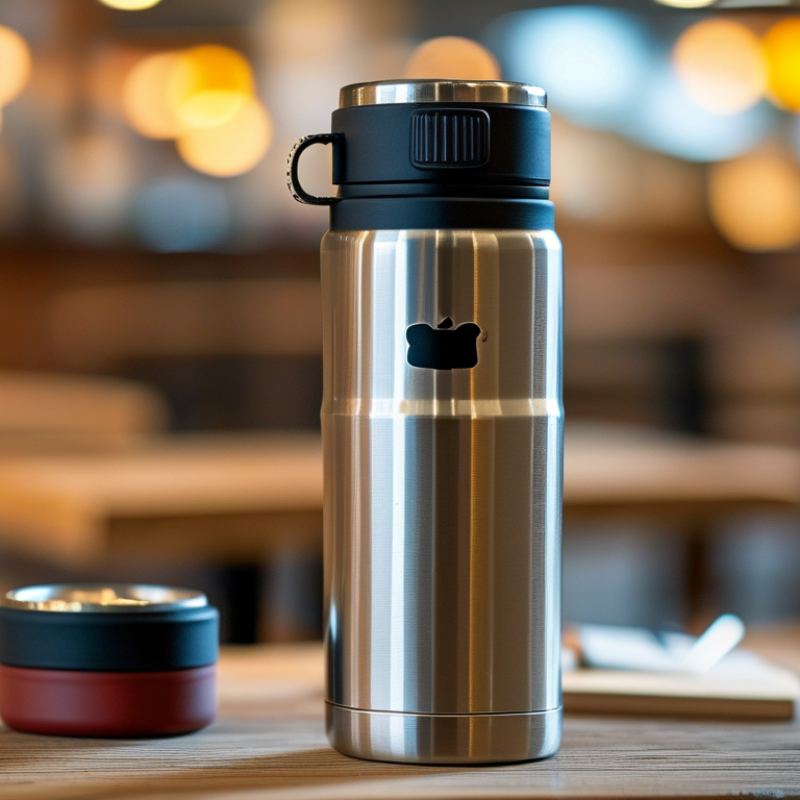
Why Choose an Insulated Tumbler for Wholesale?
What Is an Insulated Tumbler?
An insulated tumbler is a reusable drinking cup with two walls. A vacuum or air gap separates the inner and outer walls. This design slows heat transfer. Cold drinks stay chilled longer, while hot drinks lose heat more slowly.
Most quality tumblers use stainless steel because it is durable and easy to clean. However, performance depends on more than the material. The lid seal, wall thickness, opening size, and surface finish also matter. In wholesale testing, check ice retention, leak resistance, coating durability, and comfort during daily use. A tumbler may look premium but still fail after repeated drops.
The global reusable water bottle market was valued at approximately 8 billion U.S. dollars in 2023, according to Grand View Research’s Reusable Water Bottle Market report. This growth reflects stronger interest in refillable drinkware, but demand does not guarantee quality. Buyers should request food-contact documentation and clear care instructions for their target market. Some products also require better grip designs for commuters, office workers, and outdoor users. Small details matter.
Tips: Test samples for 24 hours. Measure temperature changes. Check the seal after opening and closing it repeatedly. Do not rely only on product photos. They can hide weak lids and uneven coatings.
An insulated tumbler typically uses a double-wall structure with a vacuum or air gap between the walls. Lower thermal conductivity means less heat transfer through the material, while the insulated gap helps reduce conduction and convection to keep beverages hot or cold for longer.
Approximate thermal conductivity values at room temperature, measured in watts per meter-kelvin (W/m·K). Actual performance depends on wall design, lid construction, beverage volume, and sealing quality.
For wholesale buyers, an insulated tumbler offers practical value beyond appearance. Its main benefit comes from controlling heat transfer. A double-wall vacuum reduces conduction and convection around the beverage. The outer wall also stays more comfortable to hold. Small detail. Yet customers notice it quickly.
When a customer pours hot coffee, heat naturally moves toward the cooler air. Insulation slows this movement and helps preserve the drink’s warmth. A secure lid reduces heat loss through the opening.
For cold beverages, the same structure limits heat entering from outside. It also helps reduce condensation on tables and hands.
In product checks I compare identical drinks inside insulated and ordinary tumblers. I measure temperature changes at regular intervals, while checking lid fit and wall comfort. Preheating a tumbler can help retain hot drinks longer. Chilling it first may support cold beverage performance. Insulation is not magic. Performance still changes with drink volume, opening frequency, and ambient temperature. A poorly fitted lid can weaken an otherwise effective design. Wholesale buyers should review materials, sealing quality, cleaning instructions, and test records before placing large orders. I have found that clear specifications build more trust than exaggerated promises. There is room for improvement. A tumbler that preserves temperature well but feels awkward may still disappoint customers.
Wholesale markets need products that are useful, durable, and easy to explain. Insulated tumblers meet these needs across offices, gyms, travel shops, and gift stores. Their double-wall construction helps maintain drink temperature for hours, depending on the design and beverage. Customers can feel the difference when cold drinks stay refreshing during a long commute. That detail matters.
For wholesalers, product consistency is often more important than a low unit price. A reliable tumbler should resist dents, reduce exterior condensation, and include a secure lid. Practical testing should check heat retention, leak resistance, coating durability, and handle comfort. Packaging also deserves attention. A damaged carton can erase the profit from an otherwise strong order. Tumblers offer broad appeal, but not every model performs equally well.
Wholesale buyers can also select sizes, colors, and surface finishes for different sales channels. Neutral colors may suit corporate orders, while brighter options can attract seasonal shoppers. Custom decoration adds value, although poor printing can create returns and weaken trust. It is wise to request samples before placing a large order. Even then, testing one sample is not enough; production batches may vary slightly. Clear specifications, inspection records, and realistic delivery schedules support more dependable purchasing decisions.
Why Choose an Insulated Tumbler for Wholesale?
Which Features Matter in Bulk Purchasing
Wholesale tumblers should be judged by daily performance, not attractive samples alone. In purchasing tests, I check heat retention, lid sealing, coating durability, and carton protection. A double-wall vacuum structure helps keep drinks cold during a six-hour work shift. It also reduces exterior condensation on desks and vehicle consoles. Small details matter.
Material should come first. Food-grade 304 stainless steel offers useful corrosion resistance and a familiar quality standard. A BPA-free lid, silicone seal, and wide opening simplify cleaning. A 20–30 ounce capacity usually suits offices, events, and commuting. Oversized models look impressive, but they can increase shipping costs and shelf damage. That trade-off is easy to underestimate.
Visibility also affects wholesale value. The 2024 ASI Ad Impressions Study reported that promotional drinkware generated an average of 3,162 impressions per item. Therefore, laser marking or durable printing deserves careful testing. Grand View Research’s 2024 insulated drinkware analysis also identified continued market growth, linked partly to reusable drinking habits. Forecasts are not guarantees. Buyers should request samples, drop-test cartons, and compare actual temperature results. I once focused too heavily on color consistency and missed a weak lid hinge. That mistake was inexpensive in samples, but costly at scale. A clear specification sheet should include steel grade, capacity tolerance, packaging size, logo method, and inspection standards.
| Feature | Recommended Wholesale Specification | Why It Matters in Bulk Purchasing | Quality Check Before Ordering |
|---|---|---|---|
| Insulation Construction | Double-wall vacuum insulation with no air gap between the inner and outer walls. | Vacuum insulation reduces heat transfer and helps beverages stay hot or cold for longer than single-wall drinkware. | Request an insulation test using both hot and cold beverages, and inspect samples for condensation on the exterior. |
| Main Material | Food-contact stainless steel, commonly 18/8 or 18/10 stainless steel for the interior. | Stainless steel is durable, corrosion-resistant, and less likely to retain flavors than many porous materials. | Confirm the material specification, food-contact documentation, weld quality, and absence of rust or metallic odor. |
| Capacity Options | 355 ml, 473 ml, 591 ml, and 887 ml are practical capacity options for different retail and food-service uses. | A small range of popular sizes supports multiple sales channels without creating excessive inventory complexity. | Measure usable capacity with the lid installed and compare the actual dimensions with your packaging and shipping requirements. |
| Temperature Performance | Specify a verified holding-time target rather than relying only on marketing claims; performance varies by fill volume, opening frequency, and ambient temperature. | Clear test conditions make supplier comparisons more reliable and reduce customer complaints caused by unrealistic expectations. | Use the same beverage temperature, fill level, testing period, and room conditions for every sample. |
| Leak Resistance | Sealing lid with a food-grade silicone gasket and a secure closure mechanism. | Leak-resistant products reduce returns, shipping damage, and negative reviews in online and retail distribution. | Test upright, inverted, and shaken samples with water. Check the gasket fit and closure after repeated opening and closing. |
| Drinking Opening | Choose a wide-mouth, straw-compatible, or sliding drinking opening according to the intended sales channel. | The opening affects convenience, cleaning, spill control, and compatibility with accessories. | Confirm that the opening is comfortable to use, closes securely, and can be cleaned without specialized tools. |
| Cleaning and Maintenance | Wide enough opening for hand cleaning, removable gasket where possible, and clearly stated dishwasher guidance. | Easy cleaning improves repeat use and lowers complaints related to odor, residue, or mold around the seal. | Check all lid channels and gasket grooves for accessible cleaning. Verify dishwasher instructions with the finished decoration applied. |
| Exterior Finish | Powder coating or another durable finish with consistent color, smooth edges, and controlled gloss level. | Surface durability affects shelf appearance, promotional value, and the product's resistance to scratches during distribution. | Perform rub, scratch, adhesion, and color-consistency checks on production samples, not only on prototypes. |
| Customization | Screen printing, laser engraving, transfer printing, or full-color decoration, subject to artwork and quantity limits. | Customization can support events, employee programs, hospitality sales, and private-label merchandise. | Approve a physical color and placement sample. Confirm decoration durability after washing and normal handling. |
| Packaging Efficiency | Protective individual packaging with carton dimensions and master-carton weight documented before production. | Efficient packing lowers freight costs and helps prevent dents, scratches, and lid damage during fulfillment. | Review carton drop-test results where relevant and calculate shipping volume using packed, finished units. |
| Compliance Documentation | Food-contact declarations, material information, coating documentation, and applicable market-specific test reports. | Documentation supports import clearance, retailer onboarding, and responsible product claims. | Match documents to the exact material, lid, gasket, coating, and production model being purchased. |
| Bulk Quality Control | Written specifications covering dimensions, capacity, color tolerance, leakage, surface defects, and packaging. | Objective acceptance criteria make inspection more consistent across large shipments and repeat orders. | Use pre-production approval, in-process inspection, and pre-shipment sampling with documented results. |
| Total Landed Cost | Evaluate unit price together with decoration, packaging, freight, duties, inspection, replacement allowance, and storage. | The lowest quoted unit price may not produce the lowest total cost after logistics and quality-related expenses. | Compare suppliers using the same specifications, quantities, delivery terms, and quality requirements. |
Wholesale purchasing note: Performance, customization limits, minimum order quantities, production timing, and compliance requirements vary by supplier and destination market. Confirm all specifications with representative production samples before placing a bulk order.
A wholesale insulated tumbler should protect temperature, resist leaks, and survive daily handling. Check the inner wall, lid seal, threads, and exterior coating carefully. A reliable sample should keep water cold after several hours, not just look attractive on a display table. Ask for material specifications, food-contact documentation, and test records from an independent laboratory. Looks can mislead.
Customization involves more than printing a logo. Review the color sample under natural and indoor light. Confirm the print position, coating durability, packaging size, and carton markings before production. Laser engraving may suit metal surfaces, while certain printed finishes can fade after repeated washing. Request a pre-production sample. It costs time, but correcting 5,000 pieces costs much more.
Supplier evaluation requires practical evidence. Ask about factory experience, quality-control checkpoints, production capacity, and inspection procedures. A video call can reveal storage conditions, assembly areas, and packaging discipline. I once approved a sample with a smooth lid, then discovered inconsistent seals in the bulk shipment. That mistake changed my process: every order now needs random leak tests and dimensional checks. Perfect confidence is unrealistic. Clear records, honest communication, and measurable standards are more dependable.
It is a reusable cup with two walls. A vacuum or air gap reduces heat transfer. Cold drinks stay chilled longer.
Stainless steel is durable and easy to clean. However, material alone does not guarantee good performance. Lid quality matters too.
Fill a sample with ice water. Measure its temperature after several hours. For clearer results, test it for 24 hours.
Check the lid seal, threads, and opening. Open and close the lid repeatedly. Small seal problems can cause large shipment issues.
Review color samples under indoor and natural light. Confirm print placement, coating strength, packaging size, and carton markings. Photos are not enough.
Laser engraving can work well on metal surfaces. Printed finishes may fade after repeated washing. Test the finish before production.
Request material specifications and food-contact documentation. Ask for independent laboratory test records when available. Clear care instructions are also important.
Ask about production capacity, factory experience, and inspection procedures. A video call may reveal storage and packaging conditions. Evidence matters more than confidence.
A smooth sample may hide inconsistent seals later. Random leak tests and dimensional checks can reduce this risk. Perfect confidence is unrealistic.
An Insulated Tumbler is a reusable drink container designed with a double-wall structure that helps limit heat transfer. Its insulating layer slows the movement of heat, keeping hot beverages warm and cold drinks chilled for longer than ordinary cups. This makes it practical for daily use while also offering a durable and convenient alternative to disposable drinkware.
For wholesale markets, insulated tumblers are appealing because they combine broad consumer demand, useful performance, and strong customization potential. When purchasing in bulk, buyers should consider capacity, material safety, leak resistance, lid design, durability, appearance, packaging, and order consistency. Quality should be evaluated through product samples, insulation performance, finish inspection, and testing of the lid and seals. Reliable suppliers should provide clear specifications, reasonable production timelines, responsive communication, and dependable quality control. By comparing these factors carefully, wholesalers can select products that offer lasting value and meet the expectations of different customers.

Yongkang Yifu