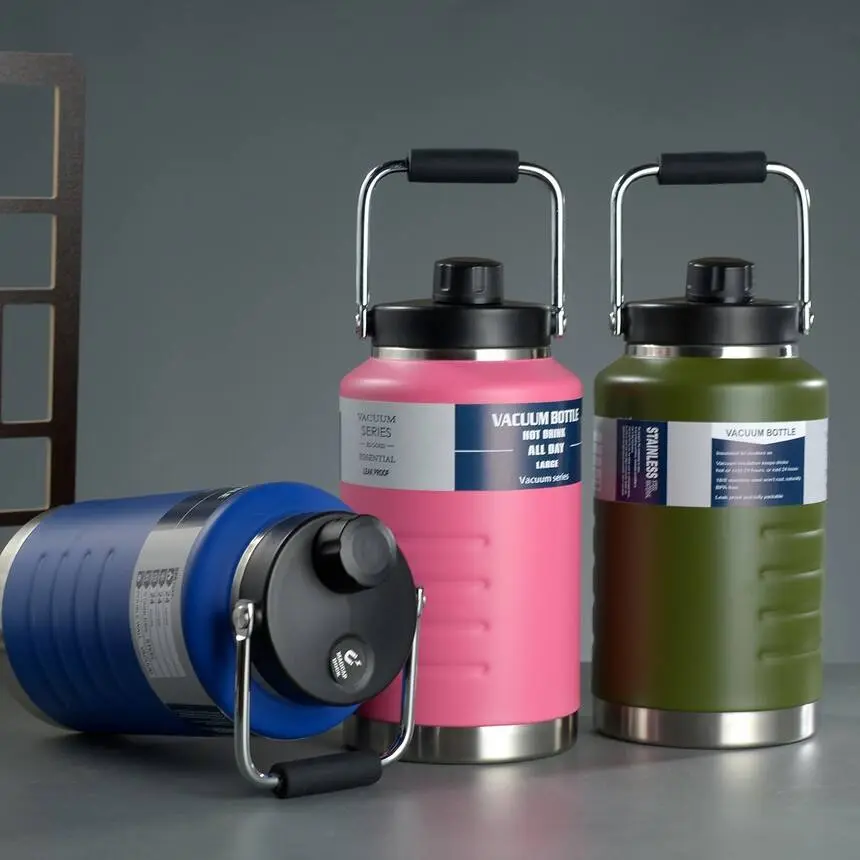
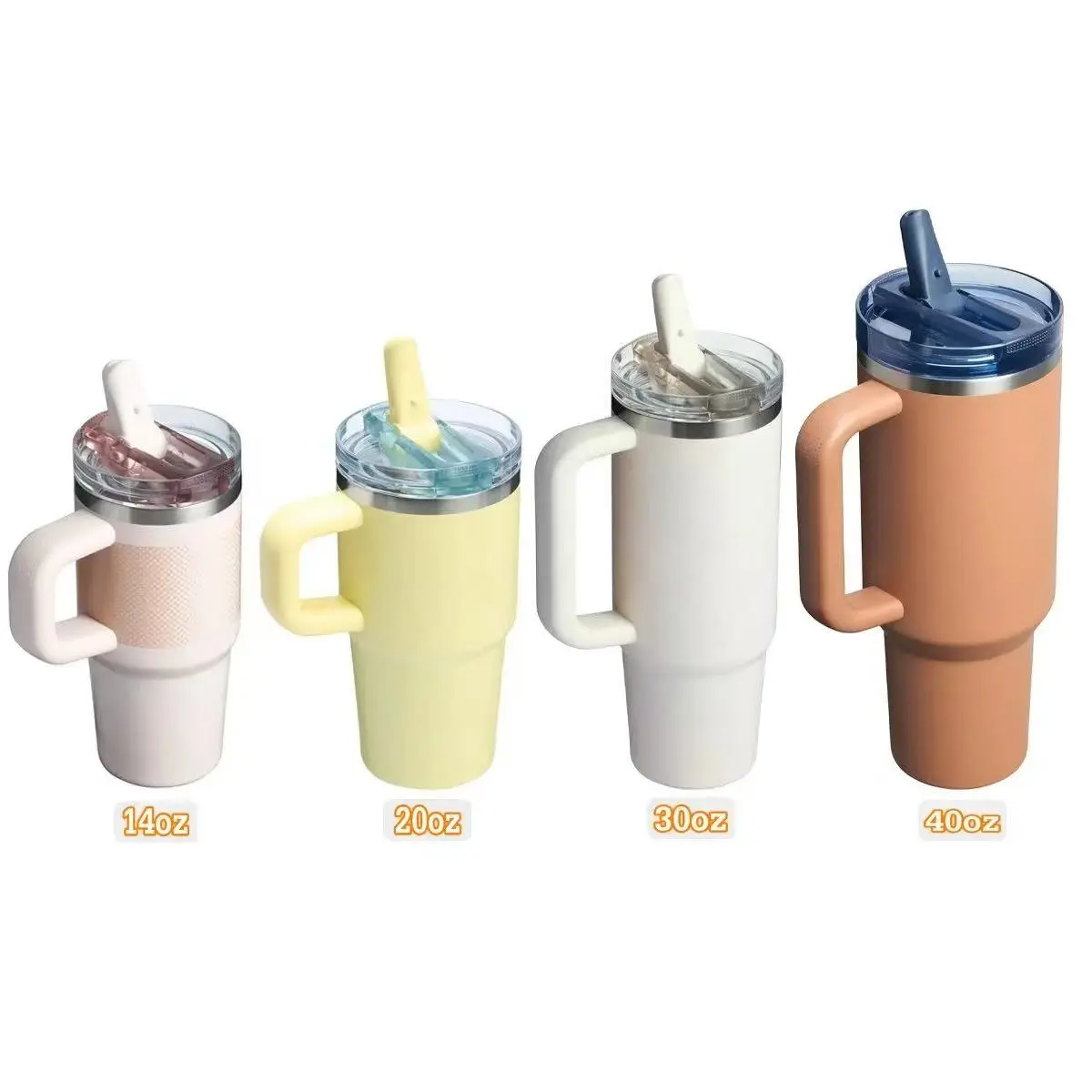
Explore our industrial-grade, vacuum-insulated solutions engineered for maximum thermal stability, durability, and brand distinction.
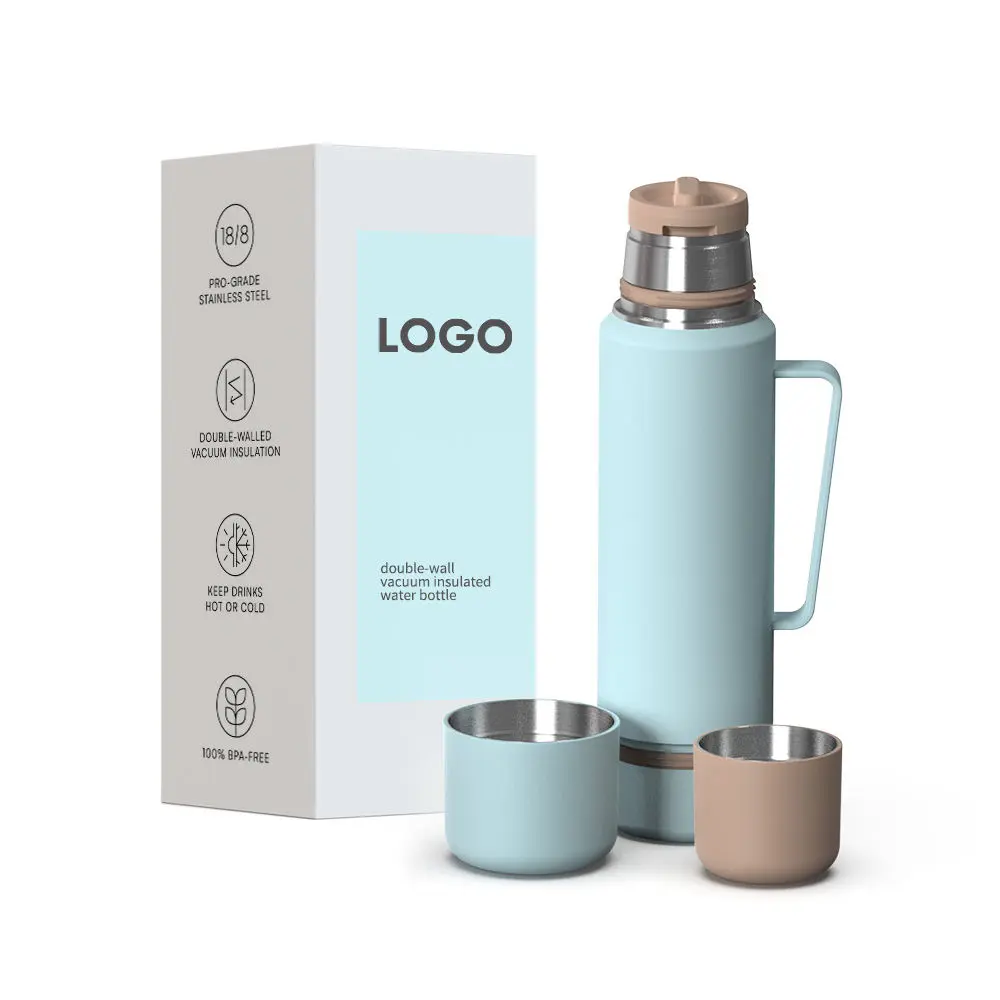
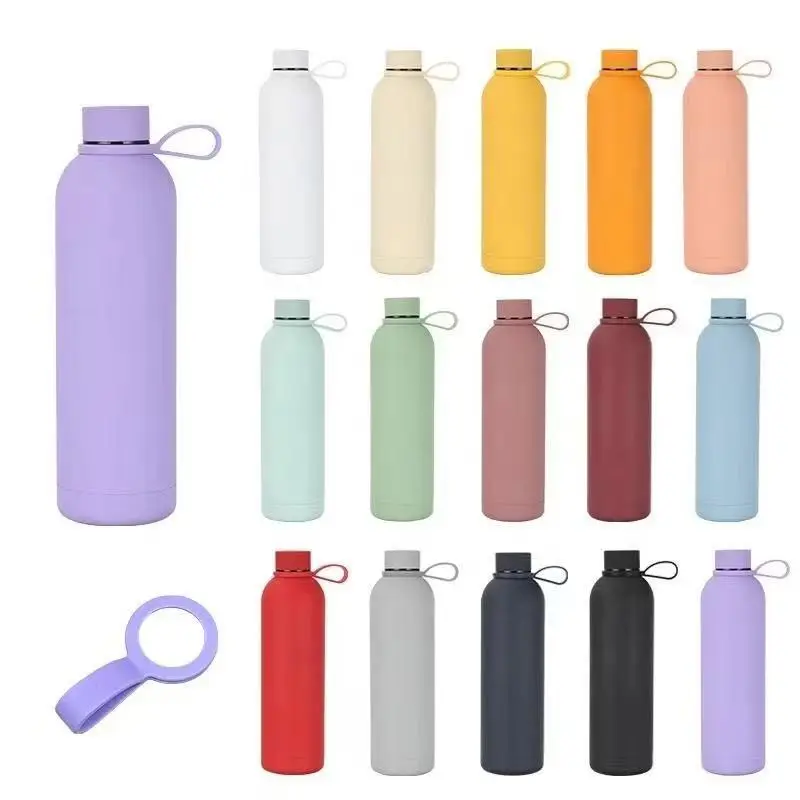
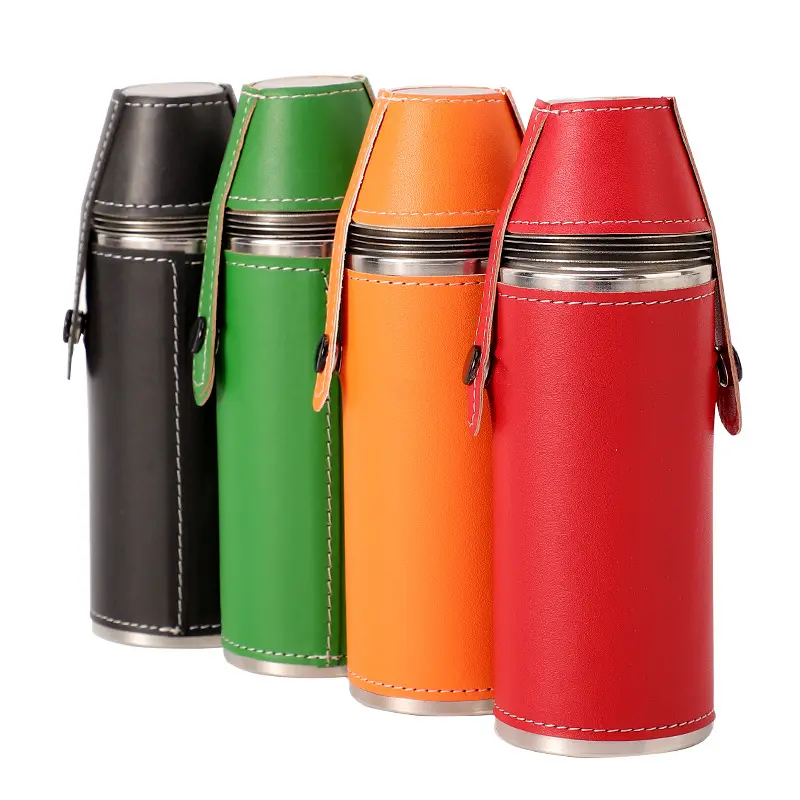
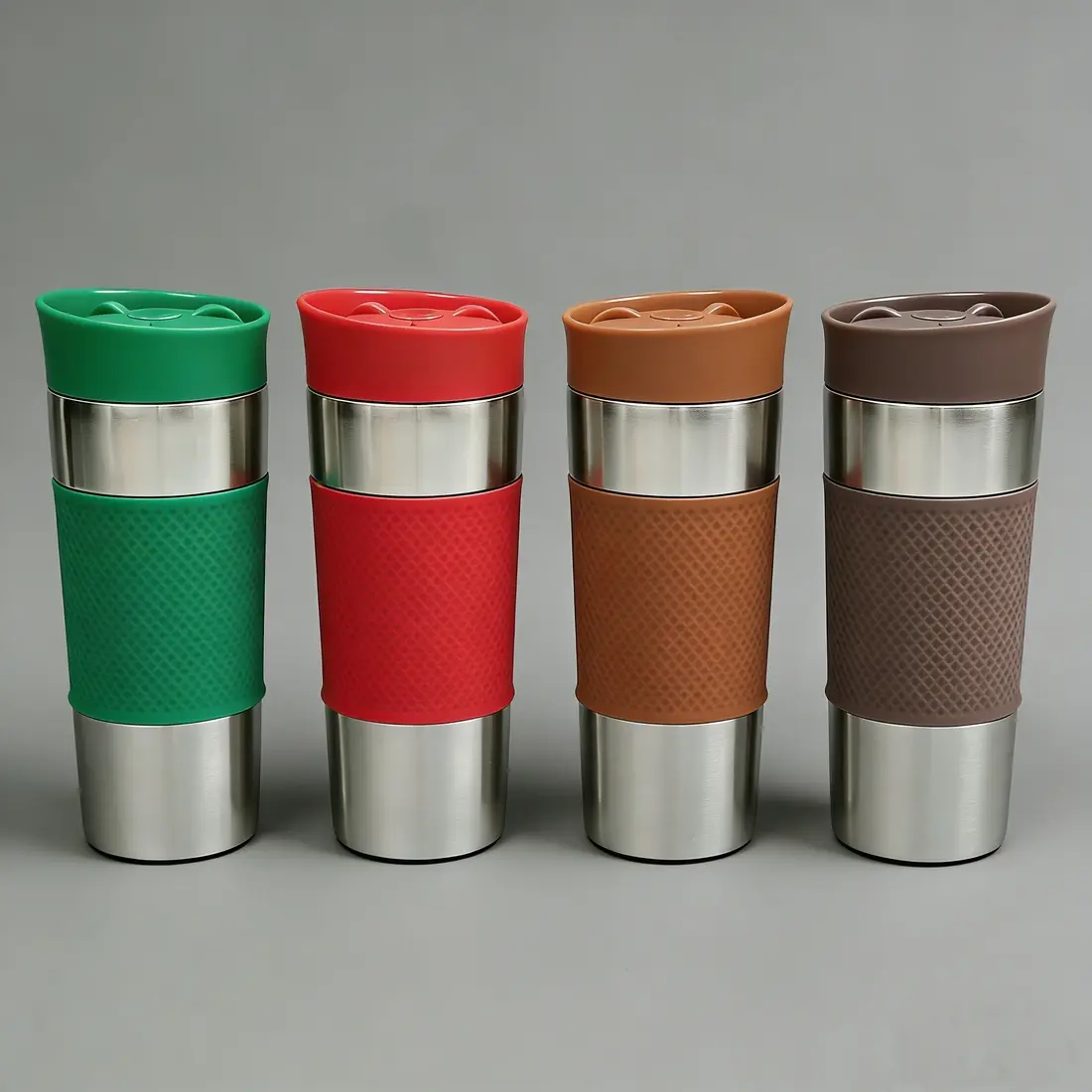
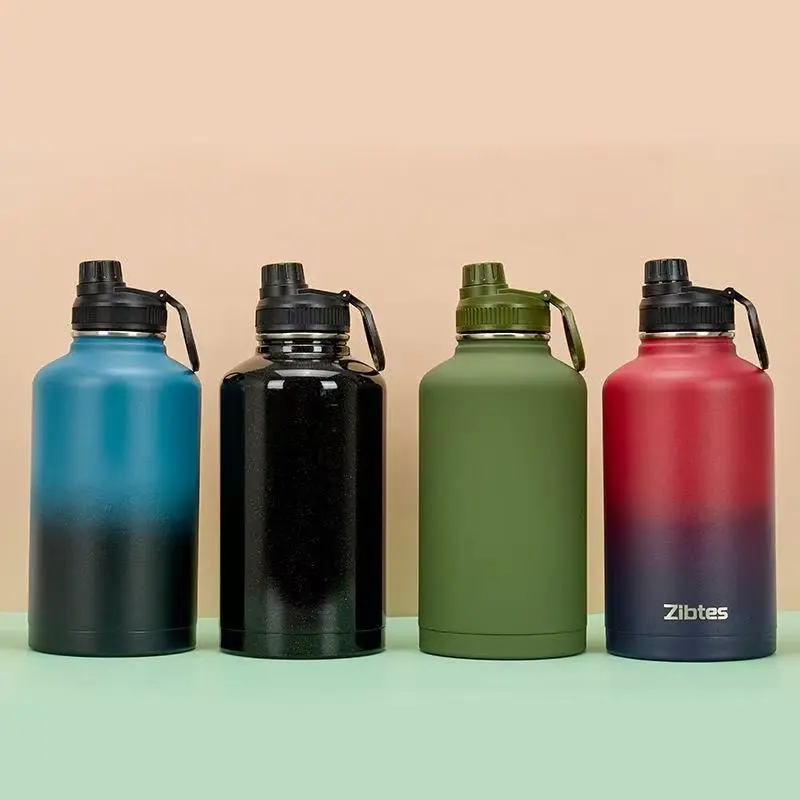
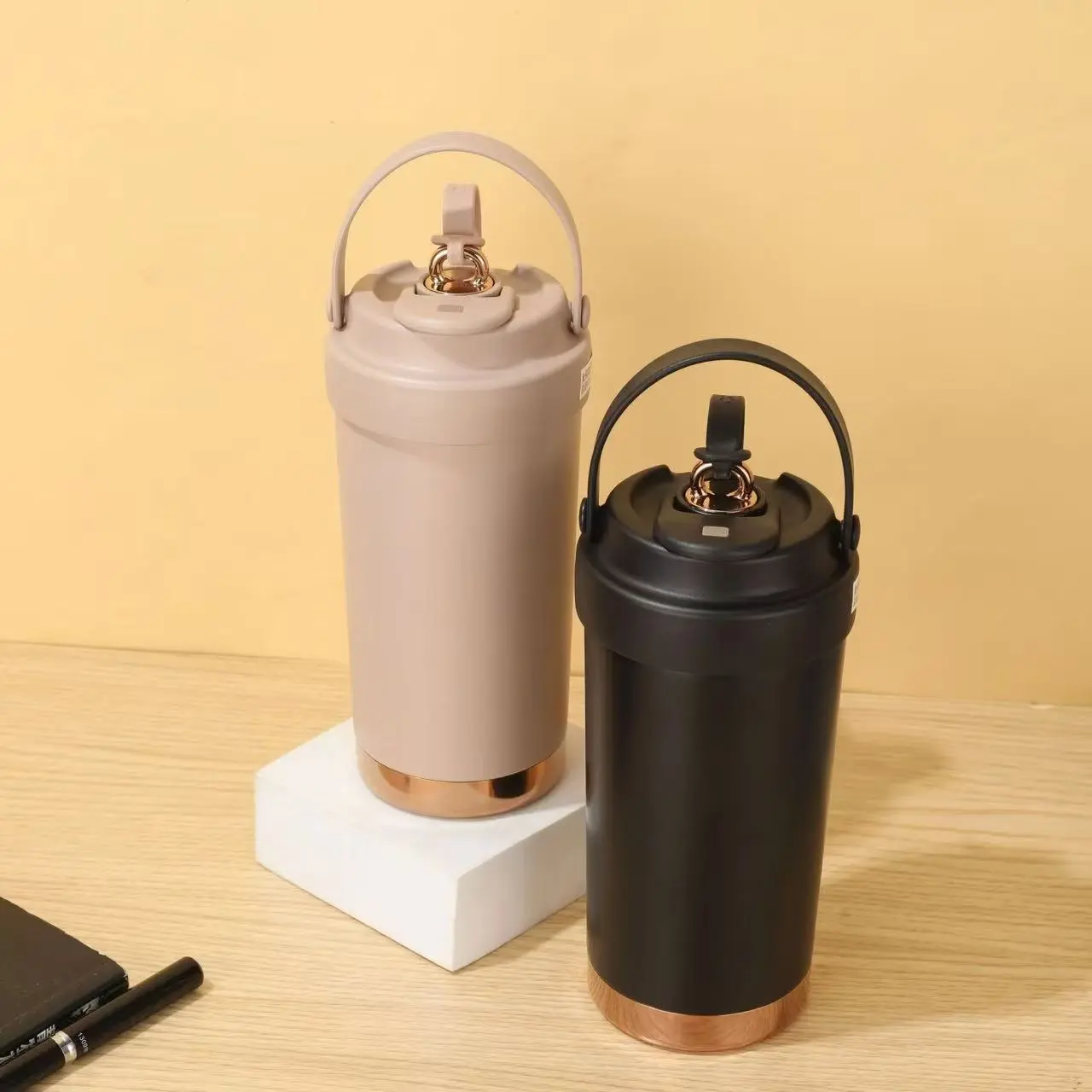
The global drinkware industry has experienced a significant shift towards high-performance, reusable, and sustainable vacuum-insulated solutions. The standard 12 Oz tumbler, widely popular in specialty coffee markets, outdoor activity brands, and corporate environments, serves as a key indicator of consumer demand for quality, safety, and brand value. As global supply chains face scrutiny, selecting a manufacturing partner that combines local raw material sourcing with advanced production capacity is essential.
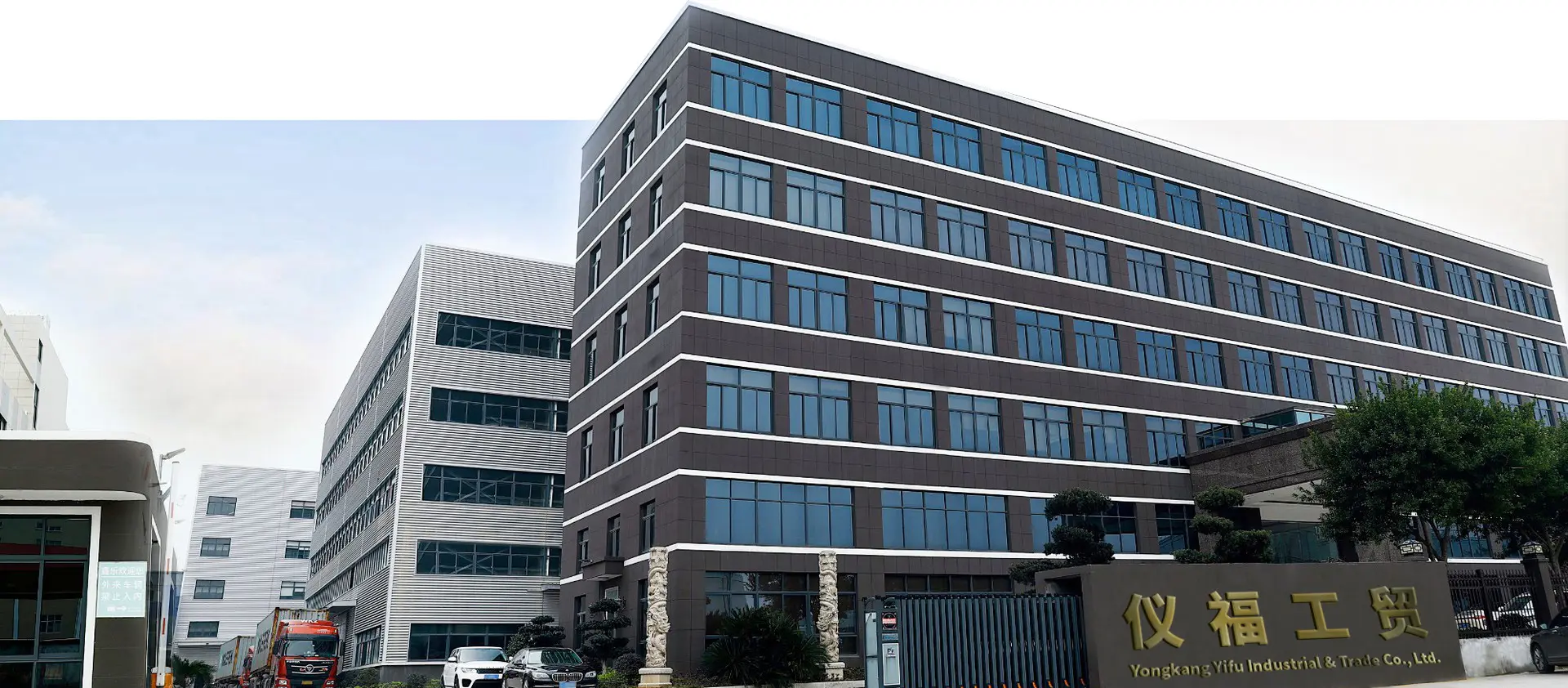
Yongkang, widely recognized as "China's Hardware Capital," represents a highly integrated industrial cluster for vacuum-insulated drinkware, accounting for 90% of China's cup production capacity. Our manufacturing operations benefit from this regional ecosystem, which provides direct access to high-grade steel mills, component suppliers, surface-treatment facilities, and specialized logistics. This integration enables us to manage material tracking, reduce transport times, and maintain cost efficiencies, giving our partners a competitive edge in global markets.
A reliable 12 Oz tumbler relies on precise thermodynamics and materials science. We utilize double-wall vacuum insulation to minimize convective, conductive, and radiative heat transfer.
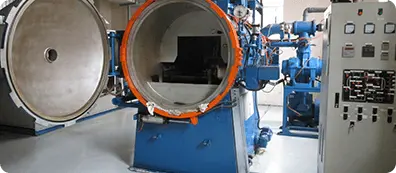
By extracting air from the interstitial space between the inner and outer stainless steel walls to a level of 10⁻³ Pa, convective heat transfer is virtually eliminated. A high-efficiency copper getter layer is applied to the inner wall to block thermal radiation, keeping beverages hot for over 8 hours or cold for over 18 hours.
We source food-grade SUS304 (18/8) and SUS316 (18/10) austenitic stainless steel. SUS316 contains molybdenum, which offers superior resistance to chloride corrosion compared to SUS304. This makes it ideal for acidic beverages like tea, fruit juices, and carbonated drinks, ensuring product longevity.
We use BPA-free Eastman Tritan™ copolyester for clear, impact-resistant lids. The seals are molded from food-grade, high-temperature resistant silicone, maintaining leak-proof integrity under pressure variations and temperature changes.
| Specification Parameter | SUS304 (Food Grade Standard) | SUS316 (Medical/Premium Option) | Industry Standards Reference |
|---|---|---|---|
| Chemical Composition | 18% Cr, 8% Ni | 16% Cr, 10% Ni, 2% Mo | ASTM A240 / EN 10088-2 |
| Acid Corrosion Resistance | Good (Standard Beverages) | Excellent (Salt/Acid Environments) | ISO 8442-2 |
| Vacuum Level | 10⁻³ Pa (High Vacuum Barrier) | 10⁻³ Pa (High Vacuum Barrier) | GB/T 29606-2013 |
| Thermal Retention (Hot) | ≥ 60°C (6 hours, Initial 95°C) | ≥ 63°C (6 hours, Initial 95°C) | EN 12546-1:2000 |
| Impact Resistance | High Yield Strength (205 MPa) | Superior Ductility & Hardness | Drop Test Compliant (1.2m) |
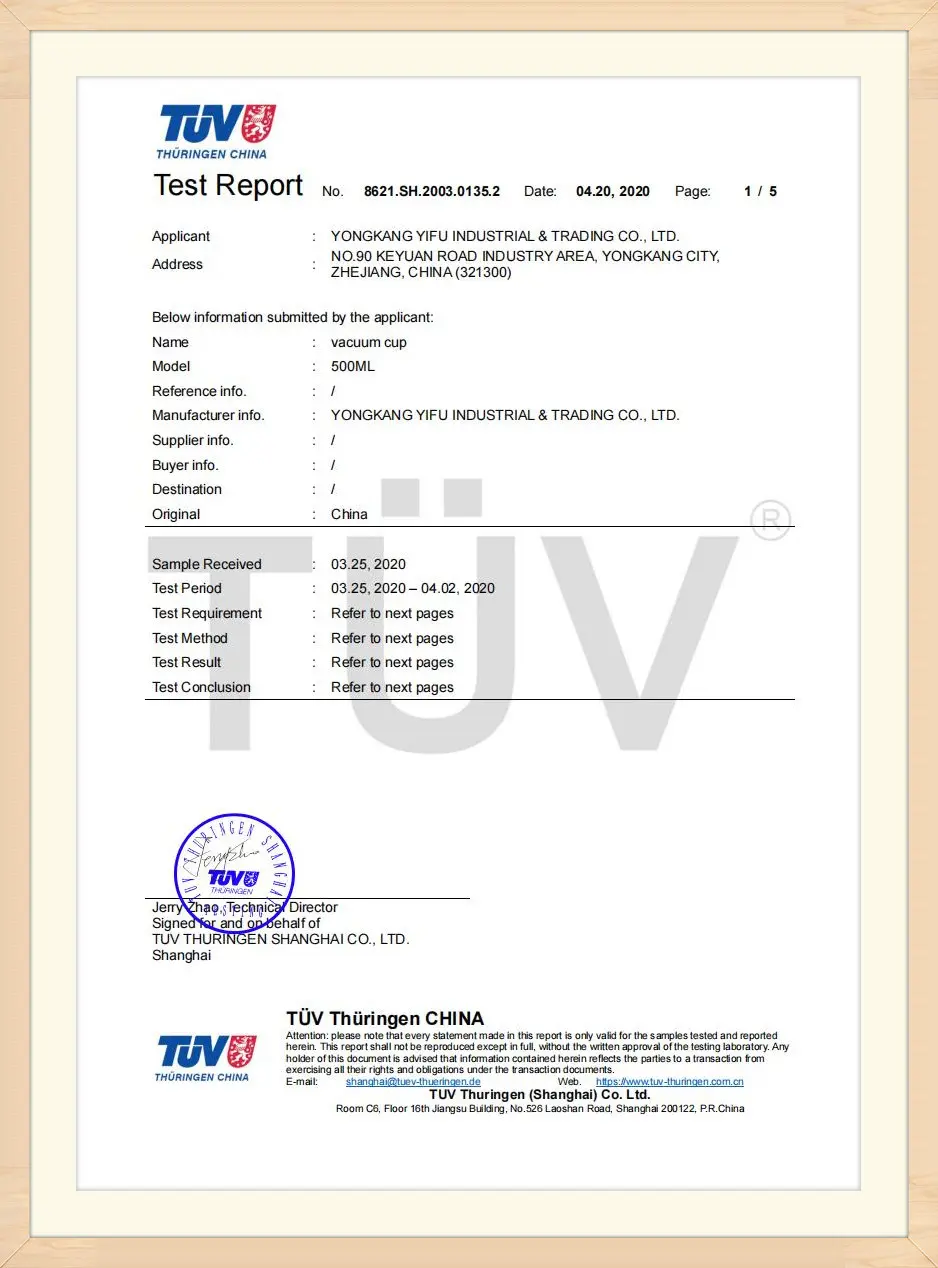
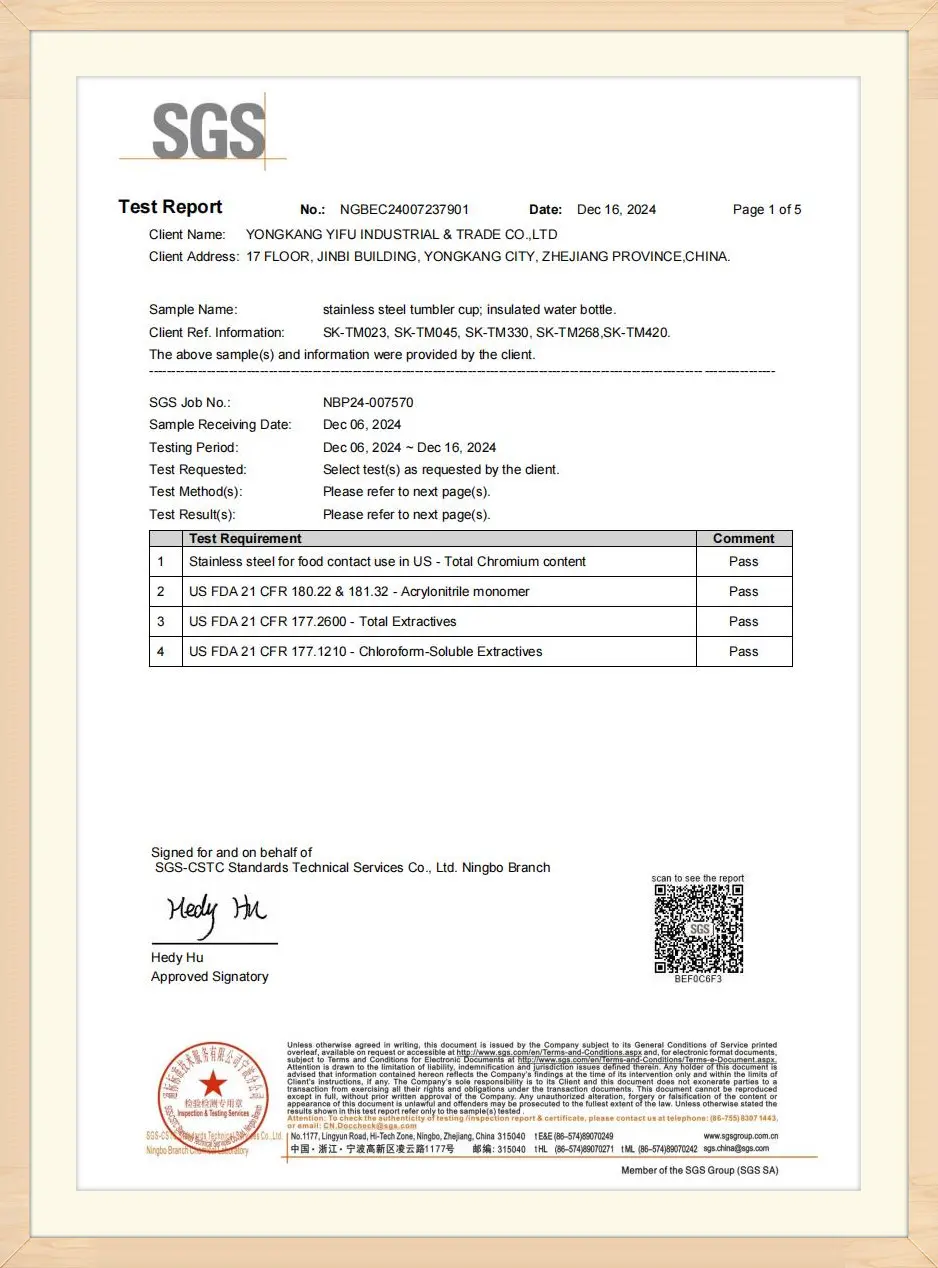
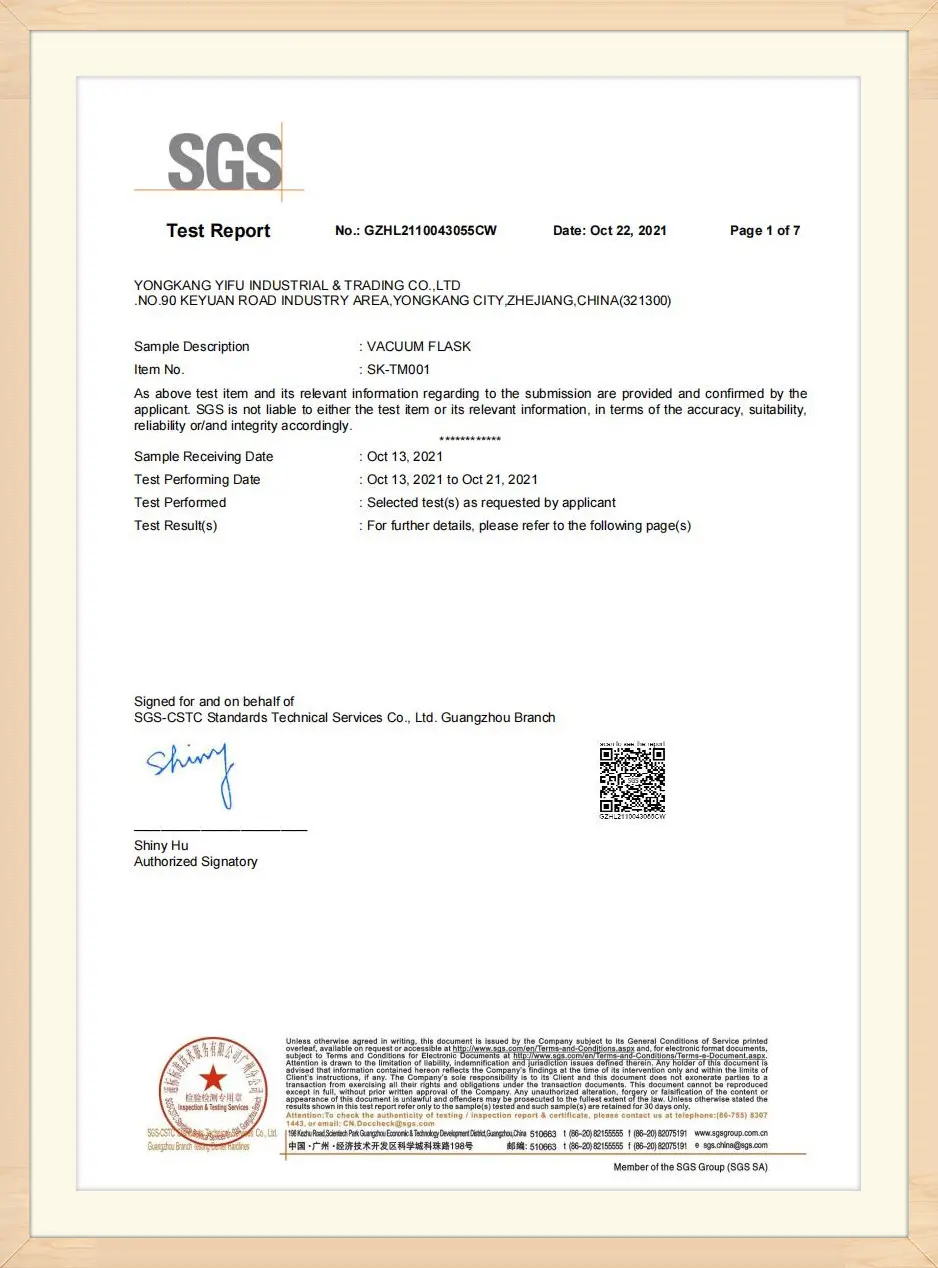
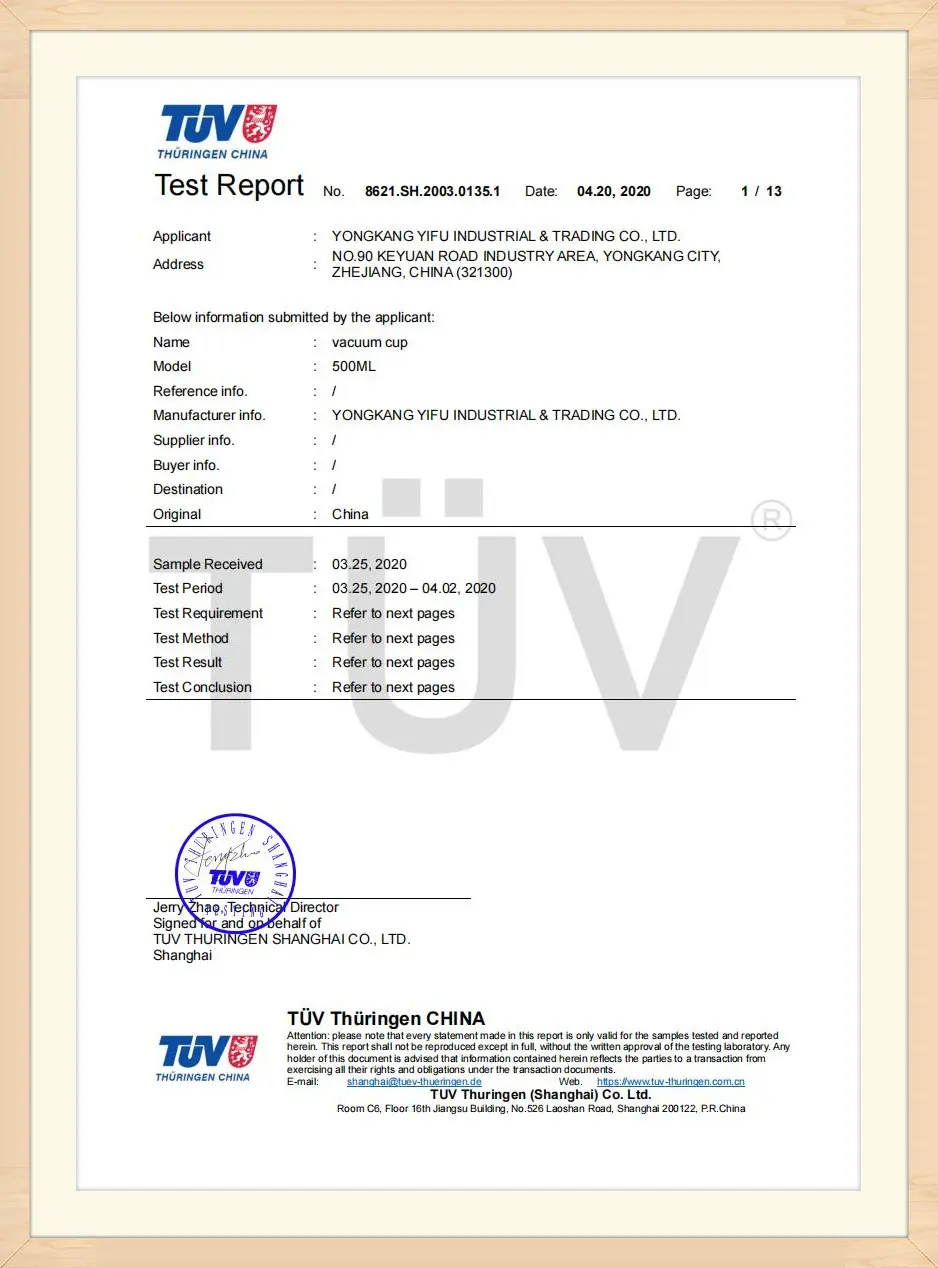
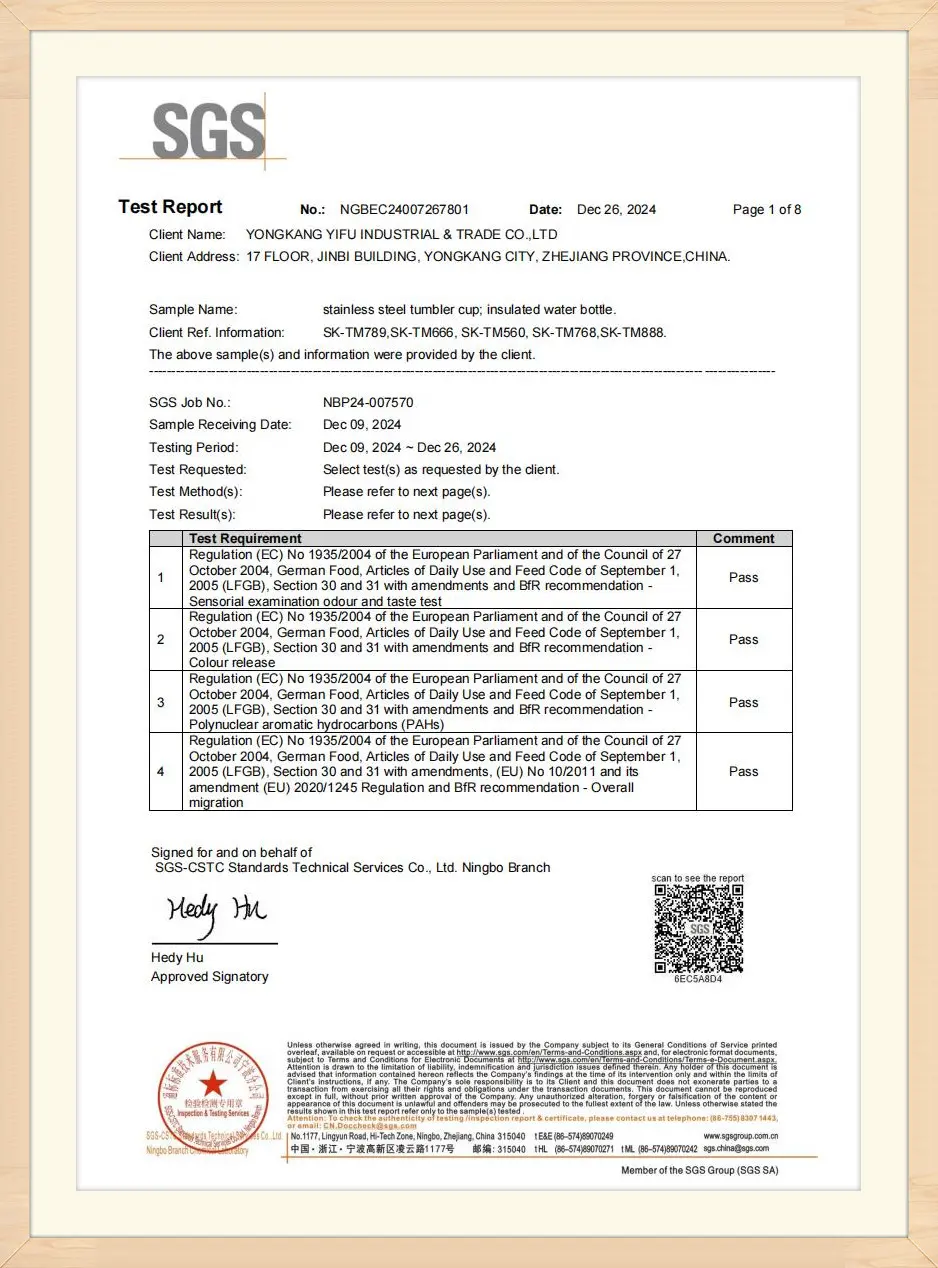
Navigating global compliance is essential for international brands and retailers. Our manufacturing processes adhere to strict safety standards, ensuring that every batch meets the legal and safety requirements of destination markets. With BSCI and Sedex certifications, we provide transparency across our labor practices, environmental impacts, and ethical standards.
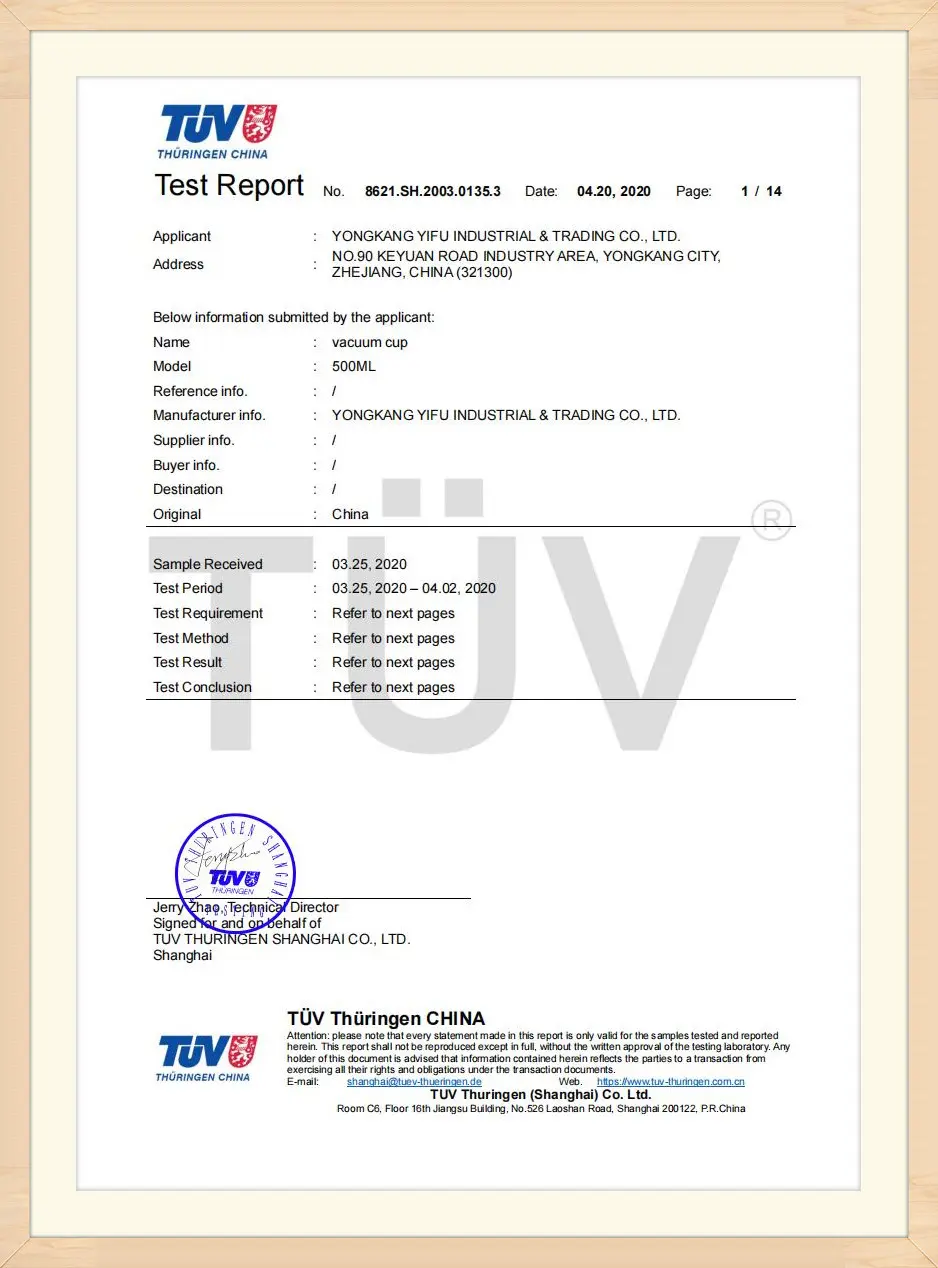
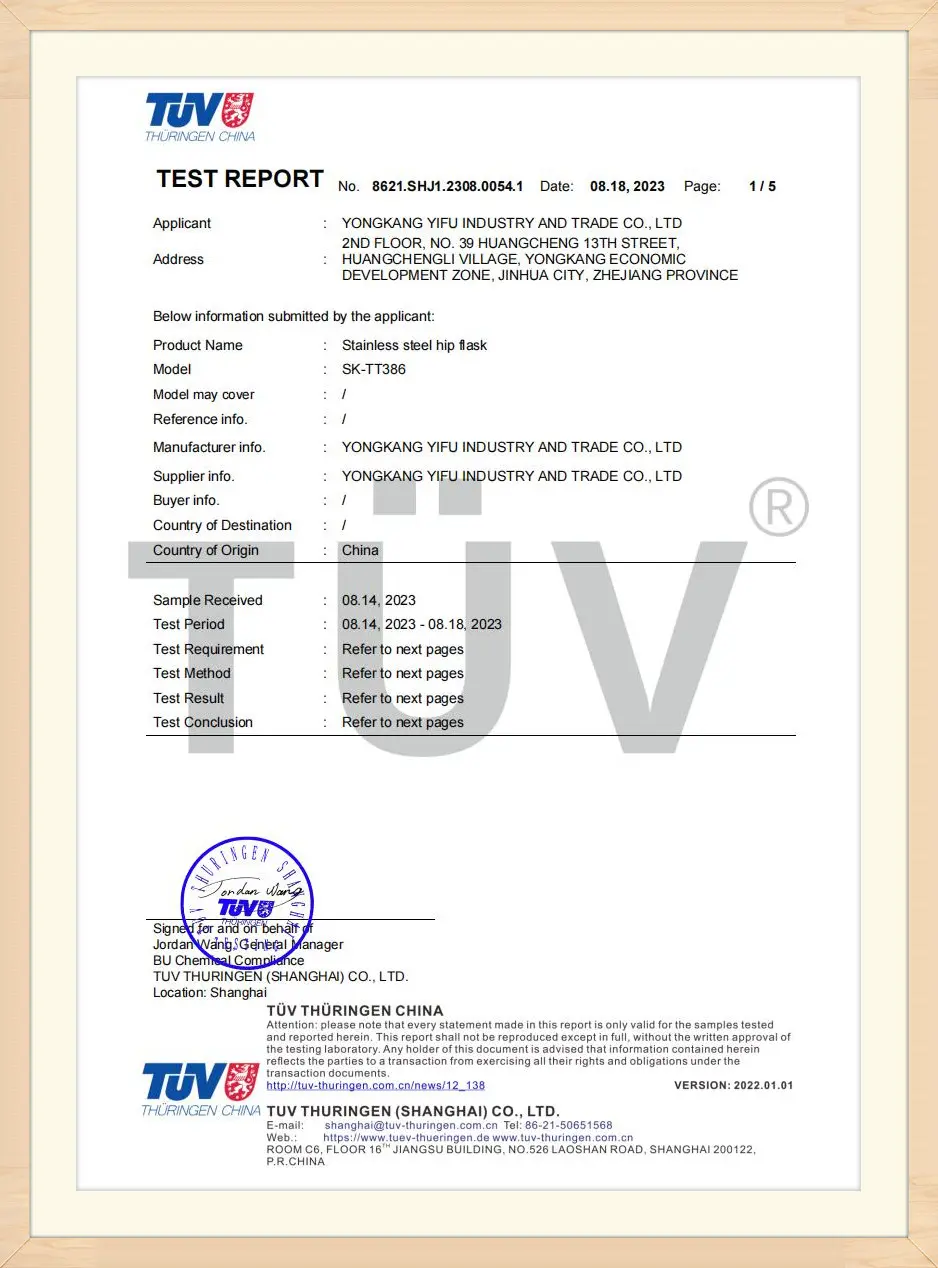
Our products undergo sensory, chemical migration, and durability testing to secure FDA (US Food Contact Standard), LFGB (European Union Testing), and BPA-Free certifications. By maintaining traceabilities from raw steel coil to finished product, we support our partners' ESG (Environmental, Social, and Governance) targets and streamline customs clearance processes worldwide.
BSCI Certified
Sedex Audited
Disney FAMA
ISO9001
FDA Standard
LFGB Standard
BPA Free
Quality Inspected


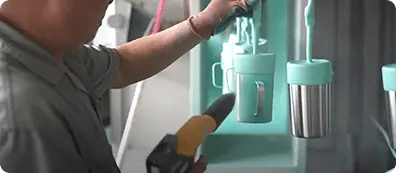
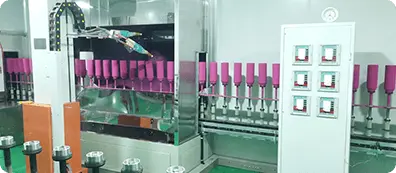
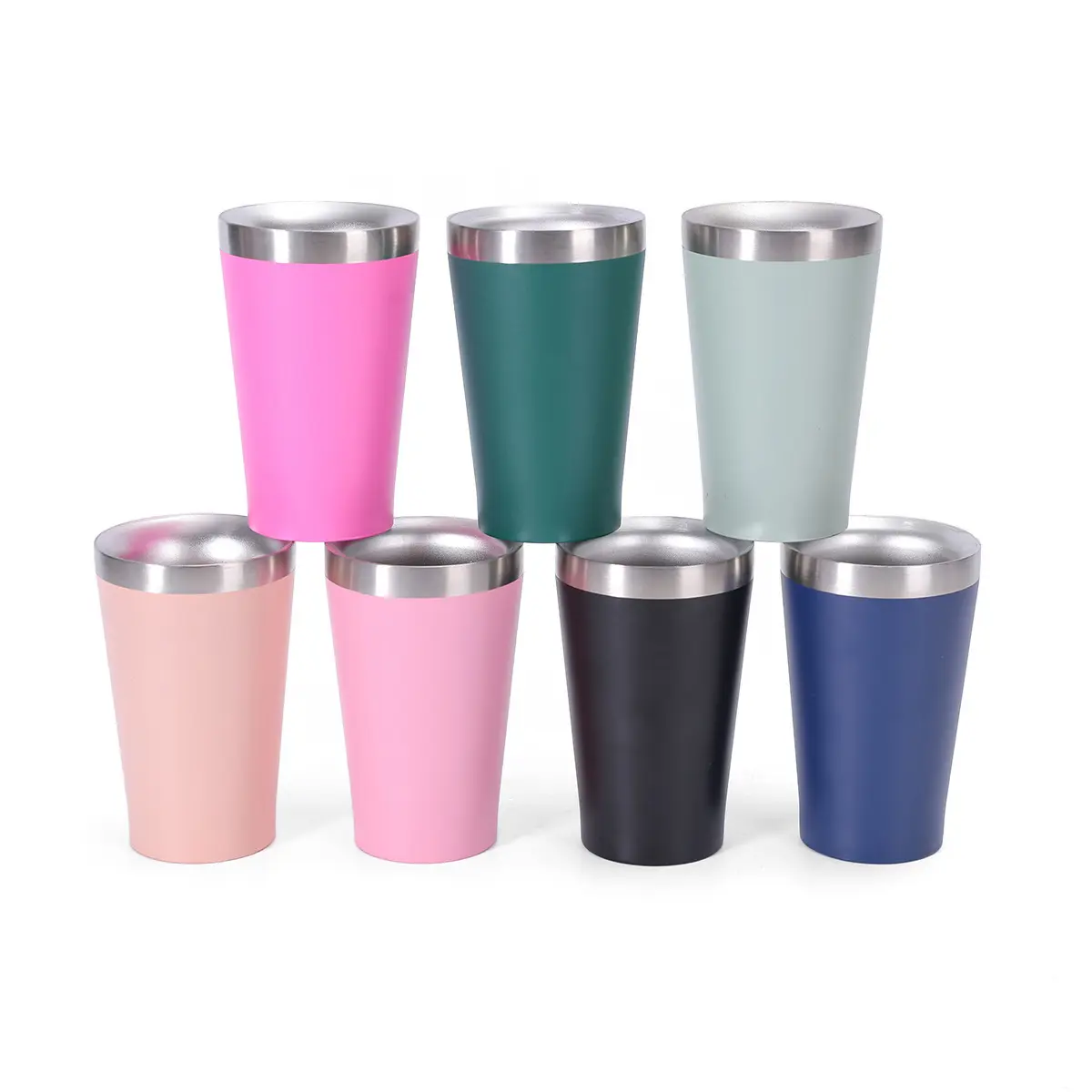
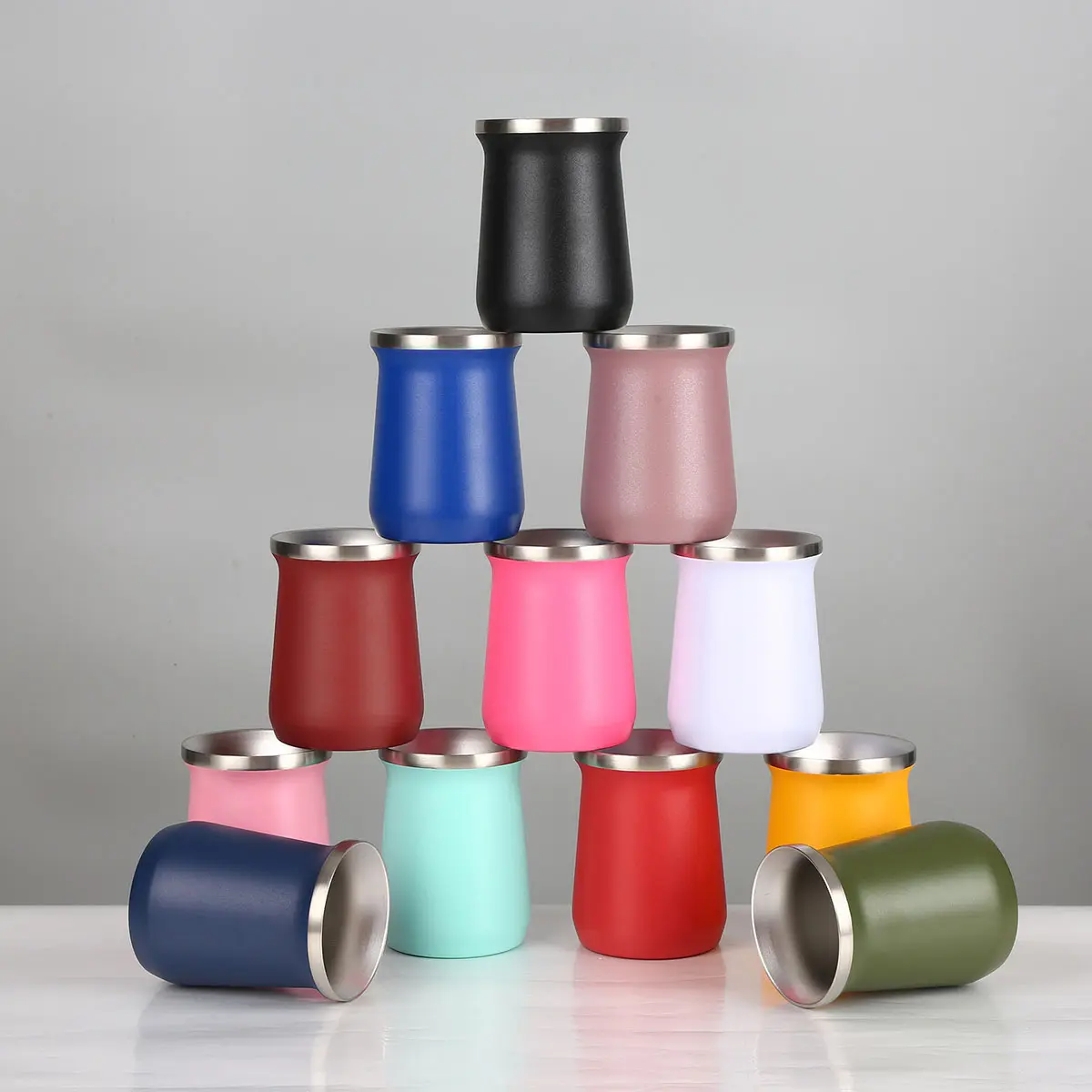
A product's external finish directly impacts its market position. Our in-house CMF design center enables brand owners to implement customized options, including powder coating, gradient spray painting, sublimation transfer printing, and 3D digital printing.
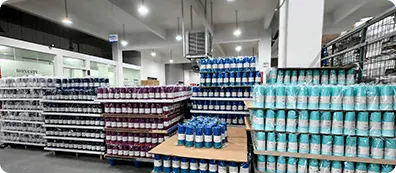
The 12 Oz capacity is a versatile size in the modern hydration market. Its applications span across several major consumer segments, each requiring specific design features:
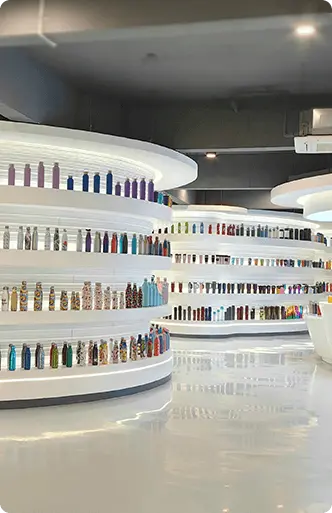
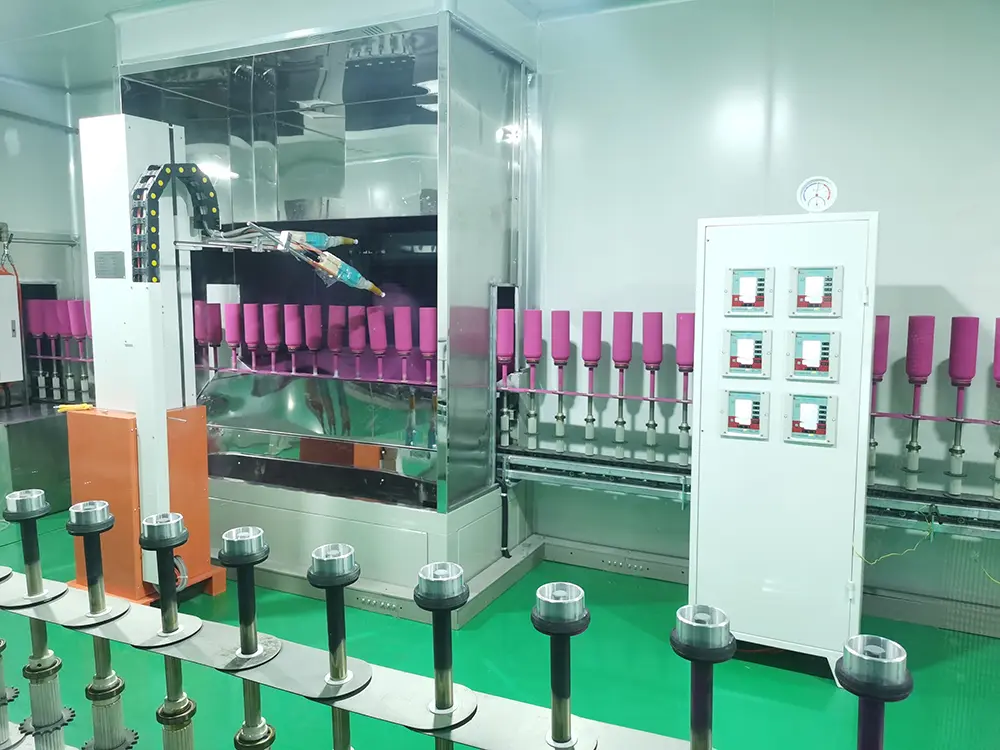
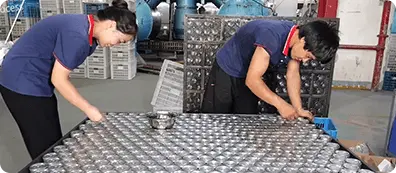
Inside our ISO9001-certified workshops, automated laser welding and vacuum annealing systems maintain quality and consistency across production batches.
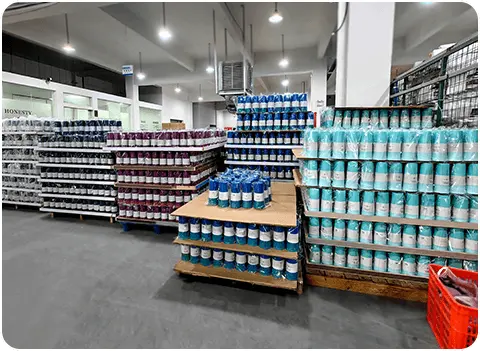
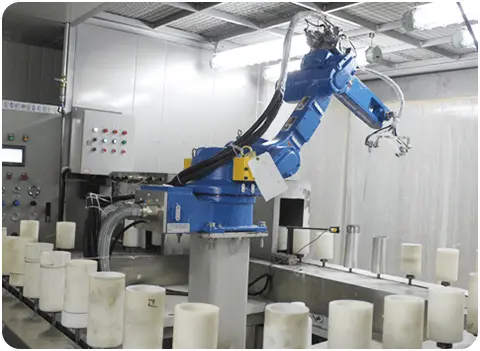
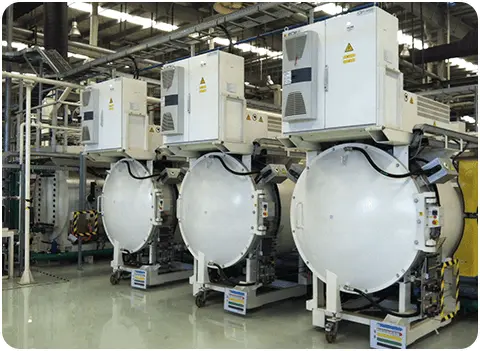
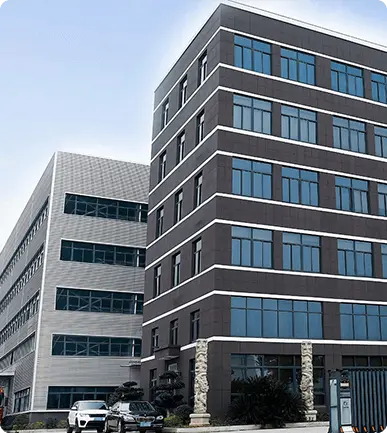
We are updating our production technologies to support resource conservation and manufacturing efficiency. Our development plan focused on the following areas:
Recycled Materials (GRS Integration): By 2025, our goal is to offer up to 90% GRS-certified recycled stainless steel options for our entire product line, reducing the carbon footprint per tumbler by 40% compared to virgin steel production.
Water-Based Coating Technologies: We are transitioning away from solvent-based paints to VOC-free water-based coatings, ensuring zero hazardous air emissions during production while maintaining durable scratch and impact resistance.
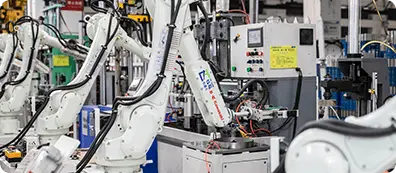
Increased Plant Automation: We aim to increase our plant automation rate to 56% by 2025. This transition will integrate robotic arm handling, inline optical sorting, and digital pressure sensing to stabilize vacuum consistency and improve production output.
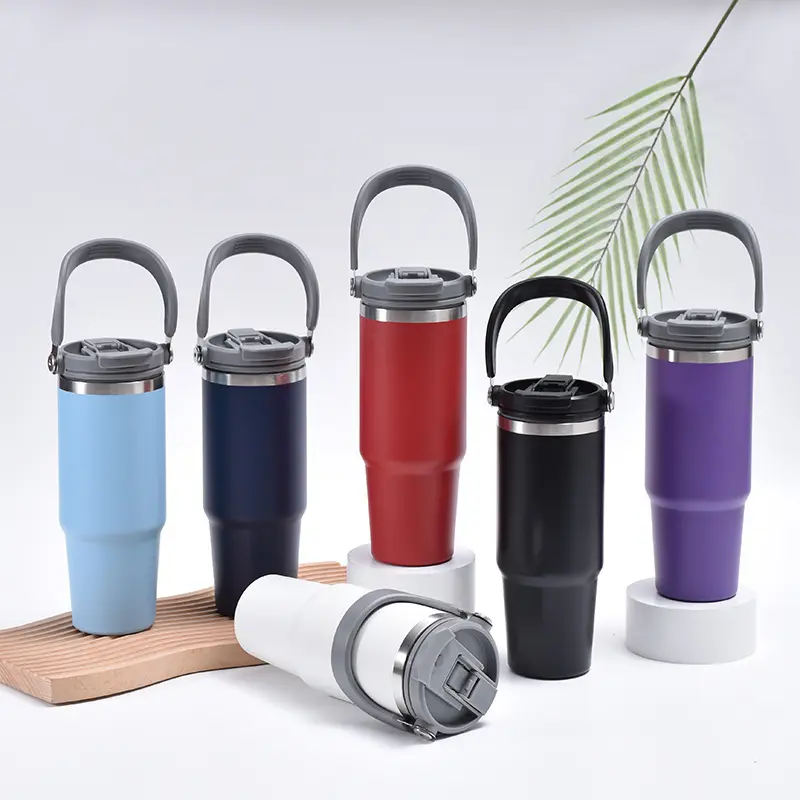
Explore specialized designs, custom volume options, and alternative closures to expand your product range.
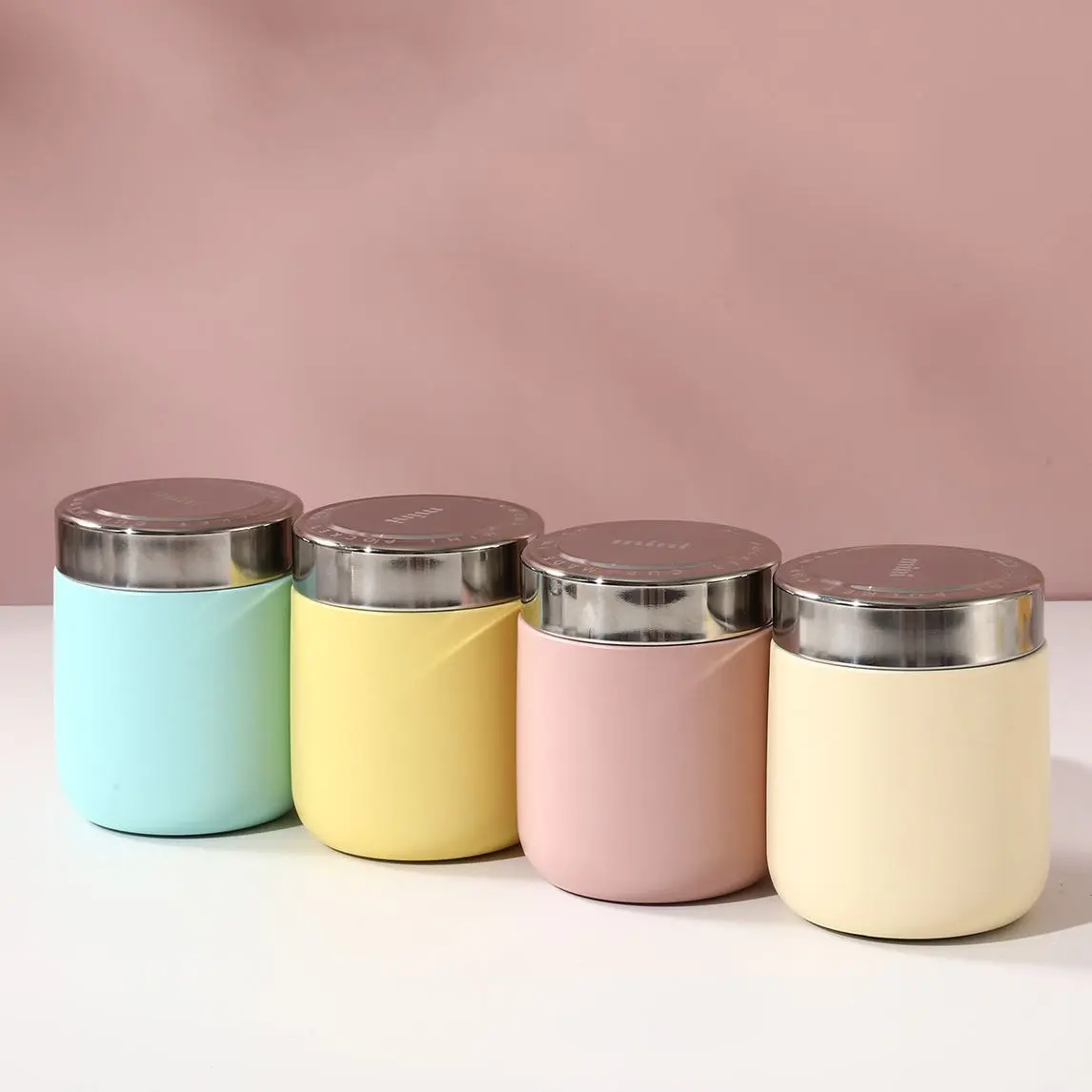
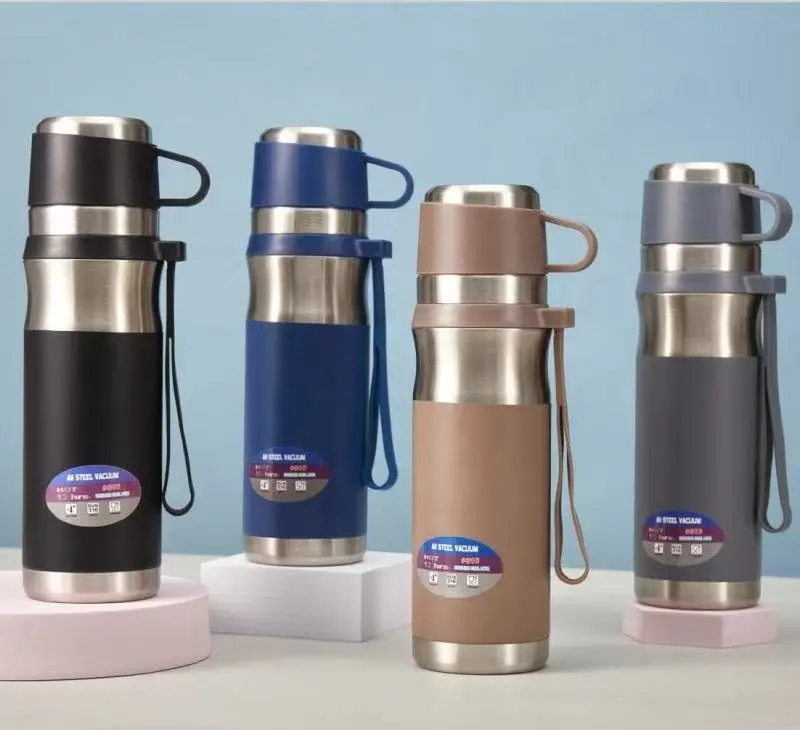
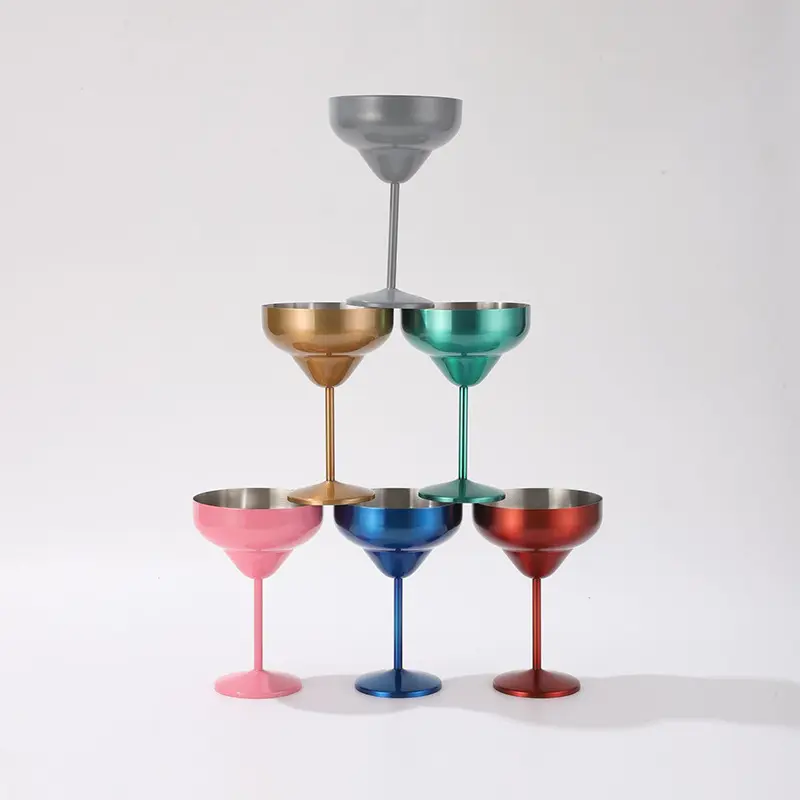
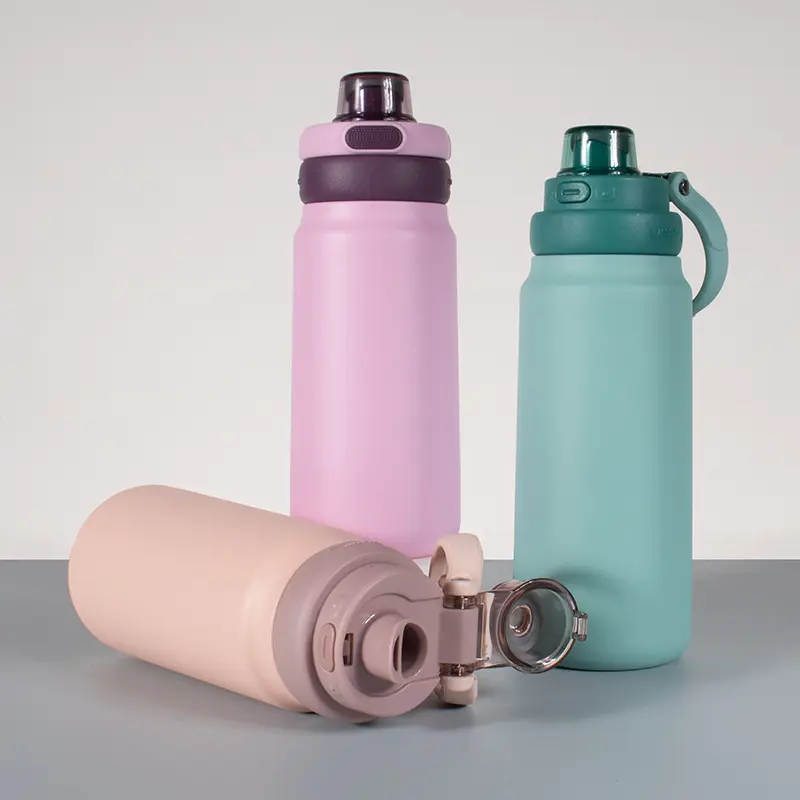
Expert answers addressing the technical, logistical, and compliance concerns of global supply directors.
 Yongkang Yifu